
The U.S. military is ending its long-standing requirement that service members receive the annual flu shot, a decision announced by Defense Secretary Pete Hegseth.
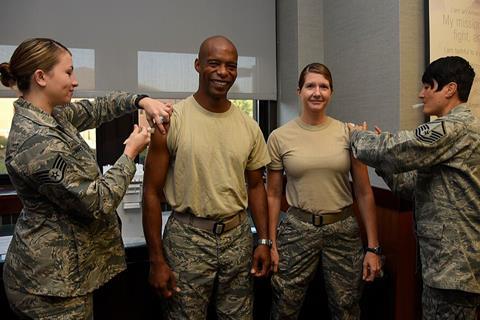
While the move is framed as expanding personal choice, health experts warn it could quietly erode military readiness.
“As a military veteran and nurse practitioner, I believe Defense Secretary Pete Hegseth’s decision to end the annual flu-vaccine requirement for U.S. troops is a serious lapse in judgment, said Richard Riccardi, professor and executive director, Center for Health Policy and Media Engagement at The George Washington University.
“The policy ignores warnings that more flu illness will mean more missed duty days, more hospitalizations and more preventable readiness losses.”
Force protection
Riccardi is also a professor at The George Washington University School of Nursing. He served on active duty in the United States Army for 31 years, where he held numerous positions as a nurse practitioner, clinical scientist, and senior leader.
“In the military, vaccination is not political theater. It is force protection. Troops live and work in close quarters, where influenza can spread quickly and sideline otherwise healthy service members, said Riccardi.
“The CDC continues to recommend annual flu vaccination for everyone 6 months and older because it remains the best way to reduce the risk of flu and serious complications.”







No comments yet