
Some members of our gut microbiome have gone missing as humans have evolved into industrialised populations - and the Amazon might just be the perfect place to identify those missing microbes.
An intriguing free webinar this July will explore what happens when key members of the human gut microbiome are lost, and what we can learn from populations where this loss has not occurred.
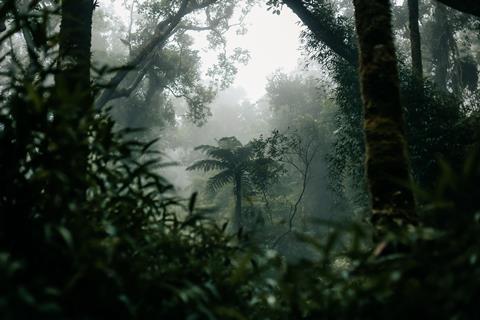
The webinar, ‘Searching for Missing Gut Microbes in the Amazon’, will air on July 29, the latest episode of the fascinating Microbes and Social Equity 2026 Speaker Series.
It will be delivered by Dr Emma Allen-Vercoe PhD, Professor at the Dept. Molecular and Cellular Biology at the University of Guelph.
Drawing on research in remote and Indigenous communities in the Amazon, she will discuss how lifestyle, diet, and environment shape gut microbial diversity, and what these findings reveal about microbes that are rare or absent in industrialized populations.
Her talk will consider the implications of this “missing microbiome” for human health, as well as the scientific and ethical challenges of studying and potentially restoring microbial diversity. This work raises important questions about microbiome stewardship, global health, and how we define a healthy microbiome in a rapidly changing world.
Unculturable microbes
Dr. Allen-Vercoe obtained her BSc (Hons) in Biochemistry from the University of London, and her PhD in Molecular Microbiology through an industrial partnership with Public Health England, and started her faculty career at the University of Calgary in 2005, with a Fellow-to-Faculty transition award through CAG/AstraZeneca and CIHR to study the normal microbes of the human gut.
In particular, she was among the few that focused on trying to culture these ‘unculturable’ microbes in order to better understand their biology. To do this, she developed a model gut system to emulate the conditions of human and other animal guts and allow communities of microbes to grow together, as they do naturally.
Emma moved her lab to the University of Guelph in late 2007, and has been a recipient of several awards (through the Canada Foundation for Innovation) that have allowed her to develop her specialist anaerobic fermentation laboratory further.
Emma is a Tier 1 Canada Research Chair, and her lab studies many microbial ecosystems, including those of Indigenous people of the Amazon, people in the industrialized world suffering from chronic disease, and those of honey bees and native pollinator insect species of Canada.
Next steps
After the talk, we continue the conversation with an informal social hour. Join us as we chat with the speaker, MSE members, and attendees about research, teaching, our pets, and more!
Programme (Timings are ET)
11:00 Welcome and introduction - Professor Sue Ishaq, Founder and Lead, MSE
11:05 Guest speaker - Dr Emma Allen-Vercoe PhD
11:45 Audience question and answer session
12:00 Informal coffee and chat
13:00 Close
‘Searching for Missing Gut Microbes in the Amazon’ runs from 11am – 1pm EDT, 29 July 2026. To book for FREE, click HERE.



No comments yet