Fusarium head blight (FHB) is a destructive disease of wheat that can reduce grain yields and contaminate grain with toxins harmful to humans and livestock. The disease threatens wheat production worldwide and poses ongoing challenges for growers, grain handlers, and food safety systems.

Low-Res_images_large_pdis-01-25-0126-ref5

Source: © 2026 The American Phytopathological Society— Liza M. DeGenring et al.

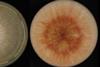
Fig. 5.Macroscopic and microscopic images of Fusarium kistleri. A, Colonies on potato dextrose agar (left) and oatmeal agar (right). B, Sporodochia and clusters of macroconidia. C and D, Conidiophores and conidiogenous cells. E and F, Chlamydospores. G, Macroconidia. Scale bars for C to G are 10 μm.

New research published in Plant Disease, led by researchers from the U.S. Department of Agriculture Agricultural Research Service (USDA-ARS) Cereal Disease Laboratory in St. Paul, Minnesota, provides new insights into the severe 2022 outbreak of FHB in Ethiopia and identifies emerging fungal pathogens that could have broader implications for global wheat production.

Although Ethiopia had largely not been affected by major FHB outbreaks in the past, disease incidence reached as high as 80% in 2022, with some fields experiencing 100% disease severity. To investigate the outbreak, researchers collected infected wheat samples and isolated the fungi responsible for the disease.

Using DNA sequencing and genomic analysis, they identified several species within the Fusarium graminearum species complex, a group of fungi known to cause FHB worldwide. Among these was a previously undescribed species that researchers formally named Fusarium kistleri.

Emerging plant pathogens

“This research reveals how emerging plant pathogens can develop in rapidly changing agricultural systems and potentially threaten wheat production globally,” said Milton Drott, a research scientist with the USDA-ARS Cereal Disease Laboratory in St. Paul, Minnesota. “By investigating this outbreak, we were able to identify unusual pathogen populations, including a previously undescribed Fusarium species, and better understand how pathogen diversity contributes to disease outbreaks.”

The team also analyzed grain samples for fungal toxins. While most samples contained relatively low toxin levels, some grain contained multiple toxin types, with a portion exceeding internationally recommended safety thresholds for human and animal consumption.

Microbe interactions

Researchers also found another common fungal genus, Epicoccum, in many samples. Although it caused little disease on its own, experiments showed it could slightly increase disease severity when wheat was already infected by Fusarium, highlighting how interactions among different microbes can influence plant disease outbreaks.

The study was made possible through an international collaboration among scientists from the USDA-ARS Cereal Disease Laboratory in St. Paul, Minnesota; the Ethiopian Institute of Agricultural Research; the Department of Forest Mycology and Plant Pathology at the Swedish University of Agricultural Sciences; the Forestry and Agricultural Biotechnology Institute at the University of Pretoria; the Department of Plant Pathology at the University of Minnesota; and the USDA-ARS Sugarcane Field Station in Canal Point, Florida. The collaboration brought together expertise in plant pathology, genomics, and crop protection to better understand the outbreak and its implications for global wheat production.

Constantly evolving

“Global pathogen populations are constantly evolving and moving across regions through trade and agricultural expansion,” Drott said. “Studying outbreaks abroad provides an early-warning system that helps protect U.S. agriculture by identifying emerging pathogens, toxin risks, and disease dynamics before they appear in North American wheat systems.”

Researchers say continued monitoring of pathogen diversity and interactions among microbes will be essential for anticipating future outbreaks and protecting wheat supplies worldwide.

Read ”The 2022 Fusarium Head Blight Outbreak in Ethiopia: Emerging Pathogens, Mixed Mycotoxins, and Interspecies Interactions” to learn more.