
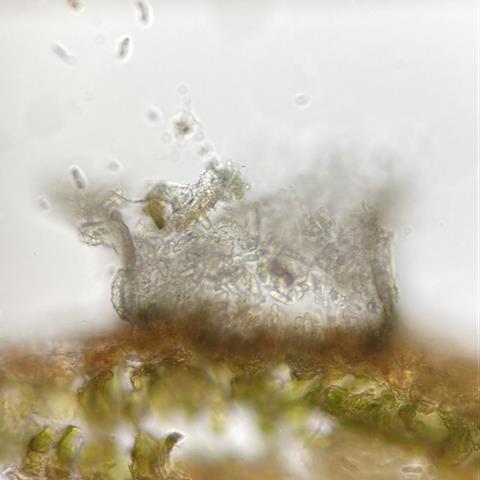
Tea (Camellia sinensis) is one of the world’s most widely consumed beverages and an economically important perennial crop. However, anthracnose caused by Colletotrichum camelliae (C. camelliae) can spread through wind and rain, establish latent infections, and cause serious field losses.
Disease control still depends largely on synthetic fungicides, raising concerns about environmental pressure and chemical residues in a crop consumed as direct infusions. Although tea is rich in defensive metabolites, previous studies have mainly focused on constitutive compounds such as catechins and caffeine. Due to these challenges, in-depth research is needed into inducible immune mechanisms activated by tea plants after pathogen infection.
Researchers from the Zhejiang Academy of Agricultural Sciences published (DOI: 10.1093/hr/uhag022) the study in Horticulture Research on 29 January 2026. The research was conducted by teams from the State Key Laboratory for Quality and Safety of Agro-Products, the Institute of Virology and Biotechnology, and the Institute of Sericulture and Tea. Using integrated transcriptomic, metabolomic, biochemical, and functional analyses, the team investigated why ‘Zijuan’ shows stronger resistance to anthracnose than ‘Longjing43’ and identified a JA–CsMYC2.1–CsNOMT–sakuranetin (SAK) module that drives cultivar-specific defense.
Disease differences
The study first showed clear disease differences between the two tea cultivars: ‘Zijuan’ restricted lesion development and fungal accumulation, whereas ‘Longjing43’ allowed broader pathogen spread. Multi-omics analysis revealed stronger activation of JA signaling and flavonoid-related metabolism in the resistant cultivar.
Among several caffeic acid O-methyltransferase (COMT)-like genes, CsNOMT was identified as encoding naringenin 7-O-methyltransferase (NOMT), the enzyme responsible for converting naringenin into SAK.
Liquid chromatography–mass spectrometry (LC–MS) confirmed that SAK accumulated strongly in infected ‘Zijuan’ leaves but remained low in ‘Longjing43’.
In antifungal assays, SAK suppressed C. camelliae more effectively than epigallocatechin gallate (EGCG), a major tea catechin.
Functional validation strengthened the conclusion: silencing CsNOMT reduced SAK accumulation and increased disease susceptibility, while overexpressing CsNOMT raised SAK levels and reduced lesion formation. Further assays showed that CsMYC2.1 directly binds the CsNOMT promoter and activates its expression under JA signaling.
Anthracnose resistance
The authors said the findings show that tea anthracnose resistance is not simply a matter of possessing a resistance-related gene, but of how strongly and rapidly the plant activates its defense network. They said the JA-responsive CsMYC2.1–CsNOMT module works as a molecular relay: pathogen infection stimulates JA signaling, CsMYC2.1 activates CsNOMT, and CsNOMT drives SAK production.
This inducible response gives resistant tea plants a timely chemical barrier against fungal invasion and helps explain why some cultivars are naturally better protected than others.
The discovery provides practical tools for sustainable tea production. CsNOMT and CsMYC2.1 could serve as functional markers for screening anthracnose-resistant germplasm and accelerating marker-assisted breeding. Because SAK showed strong antifungal activity, it may also guide the development of natural biopesticides or defense-priming strategies that reduce chemical fungicide use.
More broadly, the work demonstrates that inducible phytoalexin-mediated immunity, previously well characterized in model plants and rice, also plays an important role in woody perennial crops. By linking hormone signaling, transcriptional regulation, metabolite biosynthesis, and disease resistance, this study offers a clearer molecular framework for building resilient, high-quality tea cultivars.
Topics
- Agriculture
- Asia & Oceania
- Camellia sinensis
- Colletotrichum camelliae
- Food Security
- Fungi
- Healthy Land
- Infectious Disease
- Institute of Sericulture and Tea
- Institute of Virology and Biotechnology
- Longjing43
- Research News
- Soil & Plant Science
- State Key Laboratory for Quality and Safety of Agro-Products
- tea anthracnose resistance
- Zhejiang Academy of Agricultural Sciences
- Zijuan






No comments yet