
Using the Global Burden of Disease 2021 database, a new study, published in Biocontaminant, found that deaths and disability-adjusted life years linked to unsafe water have declined sharply over three decades. Nevertheless, the burden remains concentrated in low socio-demographic index regions, especially in Sub-Saharan Africa and South Asia with children under five years old remain the most vulnerable group.
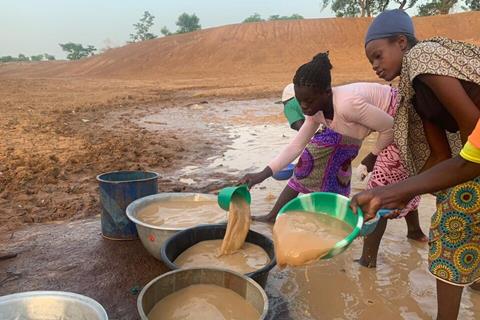
Diarrheal diseases remain a major global health challenge, particularly where drinking water systems, sanitation facilities, and hygiene practices are inadequate. Unsafe water can transmit bacterial, viral, and parasitic pathogens, contributing to illness, premature death, healthcare costs, and long-term effects on child development. Although international efforts have improved access to safe water and sanitation in many regions, progress has been uneven.
Climate change, urbanization, poverty, and weak infrastructure continue to increase exposure risks in vulnerable communities. Existing studies have often focused on single countries, regions, or earlier disease-burden datasets. These limitations have left gaps in understanding global patterns, regional disparities, improvement potential, and future trends in diarrheal diseases attributable to unsafe water.
Global Burden of Disease datasets
The researchers analyzed deaths and disability-adjusted life years attributable to unsafe water across 204 countries and territories using the Global Burden of Disease 2021 dataset. They compared absolute disease burden, age-standardized mortality rates, and age-standardized disability-adjusted life year rates by year, sex, age group, region, country, and socio-demographic index category.
Estimated annual percentage change was used to quantify trends between 1990 and 2021, allowing the team to identify where rates were declining, rising, or remaining stable.
To assess how much further countries could reduce disease burden at their current development level, the team applied frontier analysis based on the socio-demographic index. They also used Bayesian age-period-cohort modelling to project deaths and disability-adjusted life years from 2022 to 2035.
Socio-demographic findings
The results show that unsafe water still caused an estimated 802,486 deaths and 41.7 million disability-adjusted life years globally in 2021. However, compared with 1990, deaths declined by about 63%, and disability-adjusted life years declined by about 71%.
Age-standardized mortality and disability-adjusted life year rates also fell markedly, indicating broad improvement beyond population growth or age-structure changes. The burden was highest in low socio-demographic index regions, where deaths reached about 358,395 and disability-adjusted life years exceeded 23 million in 2021.
South Asia and Western Sub-Saharan Africa recorded the highest absolute burden, while Eastern Sub-Saharan Africa had the highest age-standardized mortality rate and Western Sub-Saharan Africa had the highest age-standardized disability-adjusted life year rate.
At the country level, India recorded the largest number of deaths and disability-adjusted life years, while South Sudan and Chad showed some of the highest age-standardized rates.
Frontier analysis indicated that several high-burden countries still have substantial room for improvement, and projections suggest that the global burden will continue to decline through 2035, although low-development regions will remain priority areas.
Public health
The study highlights a clear public health message: unsafe water-related diarrheal diseases are preventable, but progress depends on equitable infrastructure and policy action. The declining global trend shows that improvements in water quality, sanitation, hygiene, and health systems can save lives.
At the same time, the persistent burden in low socio-demographic index regions underscores the need for sustained investment, especially for children under five. The findings provide a data-driven basis for governments, international organizations, and public health agencies to strengthen safe water access, prioritize high-risk regions, and align disease prevention strategies with long-term development goals.







No comments yet