
All Personal Care Product & Cosmetics articles
-
 News
NewsChemolithoautotrophic breakthrough: bacteria converts CO2 into p-coumaric acid without light
p-Coumaric acid is a critical building block for pharmaceuticals, cosmetics, and functional foods. A new study research leverages C. necator H16’s ability to use H2 as an energy source and CO2 as its sole carbon source.
-
 News
NewsNew antiseptic capable of eliminating 99.9% of Candida parapsilosis cells
A 0.5% alcohol-based chlorhexidine antiseptic, combined with the natural organic compounds eugenol and menthol, can eliminate 99.9% of Candida parapsilosis cells. This fungus is one of the leading causes of infections in hospital settings.
-
 News
NewsNew project ORIGIN aims to redefine how society accesses natural ingredients
The ORIGIN consortium will develop an integrated AI-supported platform designed to accelerate the path from natural molecules to sustainable, fermentation-based ingredients. The project aims to reduce development timelines to two to three years.
-
 News
NewsEU project aims to make climate-neutral plastics and cosmetics using bacteria
A European research team is aiming to revolutionize the chemical industry: as part of the CarboNcare project, scientists are developing bacteria that can produce important chemical base materials from sustainable methanol – thereby replacing fossil resources.
-
 News
NewsGenetic engineering of cyanobacteria for the production of sulfated polysaccharide
Researchers have developed a novel strategy to genetically engineer bacteria for the production of sulfated polysaccharides. They demonstrated the successful transfer and functional integration of an entire gene cluster responsible for producing a sulfated polysaccharide known as “synechan.”
-
 News
NewsUnilever investing $270m in Global Innovation Centre in New Haven, Connecticut
Unilever has unveiled plans to develop a new Global Innovation Centre in New Haven, Connecticut, opening by spring 2029. The centre will be a leading hub for the company’s research and development for its personal care, beauty and wellbeing businesses in the U.S. and globally.
-
 Careers
From microbiome research to personalized cosmetics: The genesis of BYOME LABS
BYOME LABS was founded through the initiative of David Suissa, an entrepreneur trained at École Polytechnique and the Corps des Mines. After leading companies in the fields of perfumery and applied microbiology, he chose to structure a new approach centered on the biological evaluation of cosmetic products.
-
 News
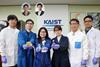
NewsScientists establish ‘eco-friendly bio-platform’ to replace petroleum-derived naphtha
KAIST announced on May 19th that the KAIST-Hanwha Solutions Future Technology Research Institute has secured bio-technology capable of mass-producing eco-friendly raw materials for plastics and textiles using waste resources, offering an alternative to petroleum-derived naphtha. Source: KAIST From Left: Hyun Bae Bang, Cheon Woo Moon, Cindy Pricilia Surya ...
-
 News
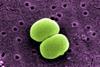
NewsFriendly skin bacteria offer hope to beat eczema
Friendly skin bacteria could hold the key to stopping eczema in its tracks, according to researchers. A new study reveals harmless microbes living on our skin release powerful molecules that can shut down the inflammatory chaos triggered by Staphylococcus aureus, the bug long known to wreak havoc in eczema.
-
 News
NewsMarine-inspired sunscreen ingredient made by E. coli
Researchers have engineered microbial “cell factories” to sustainably produce the UV-protective compound gadusol, which could eventually serve as a sunscreen ingredient and an antioxidant additive. Gadusol, found in the eggs of various fish and other marine organisms, helps protect against ultraviolet damage.
-
 News
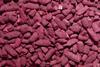
NewsThe hunt for red: Chromatin-mediated upregulation of Monascus pigments in Talaromyces purpurogenus OUCMDZ-019 via disruption of Ash2
The industrial application of Monascus pigments has been hindered by three key bottlenecks: unstable yield, poor environmental stability, and the risk of contamination by citrinin. Researchers adopted an epigenetic derepression strategy to unlock the hidden biosynthetic potential of MPs in Talaromyces purpurogenus OUCMDZ-019.
-
 News
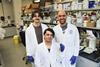
NewsCosmetics from waste? New microbial discovery could enable more sustainable production of high-value chemical products
Researchers have made a key discovery about how certain bacterial strains produce a set of economically valuable chemicals — opening the door to new, more sustainable production methods. A family of molecules could be made via bacterial fermentation instead of from palm oil, as they are today.
-
 News
NewsScientists discover the antibacterial potential of ‘hero’ Korean skincare ingredient
Fans of Korean skincare may be familiar with ‘hero ingredient’ Madecassic acid for its skin-soothing properties, but researchers have revealed its greater potential for use in the battle against antibiotic resistance.
-
 News
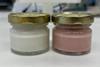
News Natural dye produced by Amazonian fungus can be used in cosmetics
A red extract made from Talaromyces amestolkiae was tested in the bases of potential products, including face cream, shampoo, and gel sticks, for its antioxidant and antibacterial properties.
-
 News
NewsBacterial cellulose as a sustainable vehicle for the controlled release of nisin and mandelic acid: A clean beauty-based approach for acne treatment
A new study developed a bacterial cellulose-based delivery system loaded with nisin and mandelic acid, targeting acne treatment. Bacterial cellulose, derived from Komagataebacter xylinus, served as a biocompatible, biodegradable matrix to control the release of bioactive compounds.
-
 News
NewsNatural sunscreen compounds show potential to support skin health and blood pressure
Researchers have discovered that natural ‘sunscreen’ compounds found in algae and cyanobacteria may also support skin and heart health.
-
 News
NewsScientists reprogramme E. coli to transform sugars into eco-friendly surfactant
A new study demonstrates a sustainable microbial strategy for producing lauryl glucoside by engineering a non-natural biosynthetic pathway in Escherichia coli, revealing precursor availability as a key bottleneck and moving towards greener biomanufacturing.
-
 News
NewsSunlight-activated nanospray enables painless, antibiotic-free therapy for infected diabetic wounds
A research team has reported a multifunctional photodynamic nanospray for chronic infected wounds that harnesses natural sunlight to address persistent bacterial infections, impaired healing and severe pain simultaneously.
-
 News
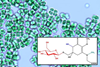
NewsA new natural sunscreen: novel compound discovered from thermophilic cyanobacteria
Natural sunscreens shield the skin from harmful radiation, without triggering allergic reactions. Researchers have discovered a novel compound, β-glucose-bound hydroxy mycosporine-sarcosine, which is produced in thermal cyanobacteria under UV-A/UV-B and salt stress.
-
 News
NewsMutated baker’s yeast at the forefront of petroleum substitute tech
Researchers engineering Saccharomyces cerevisiae to produce 2,3-butanediol (2,3-BDO) introduced mutations into the genomic DNA. The researchers engineered four altered strains and subjected them to ethanol, heat, and low pH stressors.