
All SARS-CoV-2 articles – Page 10
-
 News
NewsEconomically disadvantaged patients at greater risk for long COVID
A study found that people with social risk factors including economic instability and food insecurity at the time of COVID-19 infection were at greater risk for long COVID.
-
 News
NewsGut microbiome may predict “invisible” chronic fatigue syndrome and long COVID
Millions suffering from myalgic encephalomyelitis/chronic fatigue syndrome (ME/CFS) may be closer to personalized care, according to new research that shows how the disease disrupts interactions between the microbiome, immune system, and metabolism.
-
 News
NewsScientists uncover critical role of membrane protein topology in beta-coronaviruses assembly
Beta-coronaviruses, including SARS-CoV-2, have caused global health problems. How the virus infects host cells and triggers immunological responses has been investigated extensively. However, how the virus replicates and assembles in the cell is largely unknown. Researchers at the Institute of Biophysics, Chinese Academy of Sciences, have uncovered a conserved mechanism ...
-
 News
NewsVitamin D deficiency increases risk of COVID-19 hospitalization
Experts say it’s not just booster shots that could offer protection against Covid-19 – healthy levels of vitamin D may also play a role. Researchers found a clear link between low vitamin D levels and an increased risk of being hospitalised by the virus.
-
 News
NewsData-driven detection of concerning SARS-CoV-2 variants months in advance
The CoVerage web platform for genomic surveillance of the SARS-CoV-2 virus enables a rapid, computational identification and characterization of potential Variants of Interest (pVOIs), with a lead time of almost three months before their WHO designation as a VOC.
-
 News
NewsFirst global-to-local study reveals stark health inequalities from COVID-19 in 2020–2021
An international research team has conducted the first comprehensive global-to-local assessment of the direct health burden of COVID-19, spanning 920 locations worldwide and revealing pronounced and widespread disparities in COVID-19 outcomes across and within areas.
-
 News
NewsOmicron strain BA.2.86 emergence ‘defies natural explanation’
A researcher investigating the origin of the BA.2.86 lineage found that sporadic cases were identified in multiple, geographically distant locations around the world during its initial appearance in the summer of 2023.
-
 News
NewsResearchers uncover the antiviral potential of defensins
Scientists have discovered that certain defensins - tiny proteins with powerful antimicrobial potential - could block the virus that causes COVID-19 (SARS-CoV-2) from entering human cells.
-
 News
NewsBeyond health: The political effects of infectious disease outbreaks
A new study gives empirical evidence that individuals who experienced an infectious disease outbreak show significantly less trust in the political establishment.
-
 News
NewsLong Covid lessons: New cell therapy boosts immune recovery in cats with severe coronavirus
Feline infectious peritonitis is a serious and historically fatal disease in cats caused by a coronavirus. Scientists have found that mesenchymal stromal cells, or MSC therapy, in combination with antiviral drugs, helped cats’ immune systems recover and reduced systemic inflammation.
-
 News
NewsNovel open-source diagnostic tool offers affordable, reliable pathogen detection for resource-limited settings
Researchers have developed an open-source reverse transcription loop-mediated isothermal amplification (RT-LAMP) assay that is lyophilized for heat stability and uses non-proprietary components, making it an affordable tool for pathogen detection in diverse settings.
-
 News
NewsTiny chip speeds up antibody mapping for faster vaccine design
By analyzing just a drop of blood, this microchip gives researchers quicker-than-ever insight into how a person’s antibodies are interacting with a virus or other pathogen.
-
 News
NewsFrom COVID to cancer, new at-home ‘coffee-ring’ test spots disease with startling accuracy
A new, low-cost biosensing technology could make rapid at-home tests up to 100 times more sensitive to viruses like COVID-19. The diagnostic could expand rapid screening to other life-threatening conditions like prostate cancer and sepsis as well.
-
 News
NewsComprehensive review sheds light on rare blood clotting syndrome linked to COVID-19 vaccines
A new analysis has provided critical insights into the rare but serious condition known as vaccine-induced immune thrombotic thrombocytopenia (VITT). The findings confirm a higher risk of arterial and venous thrombosis after COVID-19 infection compared to vaccination.
-
 News
NewsLow dose of hydroxychloroquine is associated with reduced COVID-19 mortality: study
A new study provides observational evidence that low-dose hydroxychloroquine is associated with reduced COVID-19 mortality in hospitalized patients, particularly those with severe illness, when administered within the first week of symptoms.
-
 News
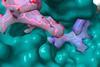
NewsScientists find flawed data in recent study relevant to coronavirus antiviral development
A new study shows why scientists still don’t know how the NiRAN domain works. The findings could have sweeping implications for drug developers already working to design antivirals based on flawed assumptions, and underscore the importance of rigorous validation.
-
 News
NewsAdults who have survived childhood cancer are at increased risk of severe COVID-19
People who have survived cancer as children are at higher risk of developing severe COVID-19, even decades after their diagnosis. This is shown by a new study from Karolinska Institutet published in the journal The Lancet Regional Health – Europe.
-
 News
NewsResearch suppresses coronavirus by targeting Mac1
A new study details the vulnerability of coronaviruses to inhibitors of a small protein domain called Mac1, or the “macrodomain,” found in all coronaviruses such as SARS-CoV-2 and MERS-CoV.
-
 News
NewsAirborne fungal spores may help predict COVID-19 & flu surges
Monitoring fungal spores in the outdoor air can predict surges in flu and COVID-19 infections, especially during the fall, according to a new study
-
 News
NewsImmune ‘dysregulation’ present prior to infection predicts severe responses
A study shows that a common gene signature of immune health or dysfunction predicts severe outcomes from infection, and is present in people with known risk factors such as being a smoker or having a high body mass index, even before they encounter a pathogen.