
All SARS-CoV-2 articles – Page 6
-
 News
NewsDiscovery of SARS-CoV-2 PLpro inhibitors and RIPK1 inhibitors with synergistic antiviral efficacy in a mouse COVID-19 model
A new article publication discusses the discovery of SARS-CoV-2 PLpro inhibitors and RIPK1 inhibitors with synergistic antiviral efficacy in a mouse COVID-19 model.
-
 News
NewsStudy reveals dual forces driving SARS-CoV-2 evolution: Immune pressure and viral fitness
New research clarifies the complex role of neutralizing antibodies in shaping disease outcomes and the evolution of SARS-CoV-2.
-
 News
NewsWhy aren’t more older adults getting flu or COVID-19 shots?
This winter’s brutal flu season isn’t over, and COVID-19 cases have risen recently too. But a new poll taken in recent weeks shows that vaccination against both viruses lags among people 50 and over, and the US survey reveals key reasons why.
-
 News
NewsSix years after COVID-19’s global alarm: Is the world better prepared for the next pandemic?
Six years ago, the Director-General of the World Health Organization sounded the highest global alarm available under international law at the time, declaring the outbreak of a new coronavirus disease. As we cross this six-year mark, WHO asks: Is the world better prepared for the next pandemic?
-
 News
NewsMetformin shown to prevent Long COVID across risk groups in multiple randomized trials
Multiple randomized clinical trials and electronic health record studies now show that metformin, a widely used and well-established medication, significantly reduces the risk of developing Long COVID when taken during or shortly after acute infection with SARS-CoV-2.
-
 News
NewsCOVID-19 viral fragments shown to target and kill specific immune cells
New research shows that after the body’s defenses kill the virus behind COVID-19, leftover digested chunks of SARS-CoV-2 spike protein can target specific immune cells based on their shape. It could explain why certain populations of cells that detect and fight infection are depleted in patients with severe COVID-19.
-
 News
NewsStudy cites link between mental health and long COVID in older women
Older women who have a history of both depression and anxiety had a 78% higher risk of developing long COVID after a SARS-CoV-2 infection, report researchers. Infection rates were not higher; only their risk of complications increased.
-
 News
NewsLong COVID brain fog far more common in US than India, other nations
Patients with long COVID-19 in the U.S. report far higher rates of brain fog, depression and cognitive symptoms than patients in countries such as India and Nigeria, according to a large international study.
-
 News
NewsScientists develop novel live-attenuated vaccine that blocks coronavirus transmission with a single intranasal dose
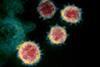
A research team at the LKS Faculty of Medicine, the University of Hong Kong (HKUMed), has developed a novel live-attenuated vaccine candidate, cb1, capable of generating broad immunity against a wide range of beta-coronaviruses with a single intranasal dose. Source: NIAID-RML This colorized transmission electron microscope image shows ...
-
 News
NewsDouble trouble: Tobacco use and Long COVID
Researchers investigating the relationship between Long Covid symptoms and smoking by tobacco type found that certain symptoms correlated with different forms of smoking.
-
 Careers
The National Collection of Pathogenic Viruses (NCPV): a critical resource for virology and public health
It’s now 25 years since the National Collection of Pathogenic Viruses (NCPV) was founded as a dedicated, secure, and relevant national virus repository for the UK. Jane Burton, Teresa Ramalho and Tilly Maybery explore how the collection has evolved - and is tackling future global health concerns.
-
 News
NewsEngineered nanobodies improved respiratory defenses in preclinical study
Engineered nanobodies improved protection against multiple viruses by bolstering respiratory mucus. The bispecific design of the nanobodies works against viruses, like influenza, which can normally evade mucosal defenses.
-
 News
NewsHidden mpox exposure detected in healthy Nigerian adults, revealing under-recognized transmission
The mpox virus appears to be circulating silently in parts of Nigeria, in many cases without the symptoms typically associated with the disease, according to new research.
-
 News
NewsPregnant women hospitalized for COVID-19, and their newborns, have higher complication risk
When hospitalized for COVID-19, pregnant women — and their eventual newborn children — have a higher risk of complications. Research revealed that pregnant women were nearly 3.5 times more likely than non-pregnant women to require respiratory support when hospitalized for COVID-19.
-
 News
NewsNew hypothesis links HPV E6 and SARS‑CoV‑2 spike proteins to reduced p53 activity
Scientists have proposed a hypothesis suggesting that virally encoded proteins such as HPV-E6 or SARS-COV-2 Spike may cooperate in suppressing host defenses including tumor suppressor mechanisms involving p53.
-
 News
NewsUK: COVID-19 vaccine hesitancy decreased over time, though mistrust persists among certain groups
Most COVID-19 vaccine hesitancy is rooted in concerns that can be addressed and effectively reduced over time, according to a new study following more than 1.1 million people in England between January 2021 and March 2022 during the COVID-19 pandemic.
-
 News
NewsBeing infected or vaccinated first influences COVID-19 immunity
A new study analysing the immune response to COVID-19 sheds light on an important question: does it matter whether a person was first infected or first vaccinated? According to the results, the order of the events does alter the outcome.
-
 News
NewsCOVID-19 leaves a lasting mark on the human brain
COVID-19 does not just affect the respiratory system, but also significantly alters the brain in people who have fully recovered from the infectious disease, highlighting the long-term neurological impact of the virus.
-
 News
NewsWho is more likely to get long COVID?
Scientists have identified the key genetic drivers behind long COVID, revealing why some people continue to experience debilitating symptoms long after their initial infection.
-
 News
NewsCOVID-19 vaccination significantly reduces risk to pregnant women and baby
Pregnant women who received a COVID-19 vaccine were far less likely to experience severe illness or deliver their babies prematurely, according to a major new study.