
Asia & Oceania News – Page 2
-
 News
NewsResearchers watch live as influenza viruses enter human cells
Using a microscopy technique that they developed themselves, scientists can zoom in on the surface of human cells in a Petri dish, observing live and in high resolution how influenza viruses enter a living cell. They found the cells are not passive, but actively attempt to capture the virus.
-
 News
NewsChemical structures of surface polysaccharides from Acinetobacter baumannii for glycoconjugate vaccines
Researchers provided a comprehensive analysis of the molecules that make up the protective layer of complex sugars on the surface of Acinetobacter baumannii - known as capsular polysaccharides (CPS) and lipopolysaccharides (LPS), and essential for the bacterium’s virulence.
-
 News
NewsComplex life developed earlier than previously thought, study reveals
New research indicates that complex organisms evolved long before there were substantial levels of oxygen in the atmosphere, something which had previously been considered a prerequisite to the evolution of complex life.
-
 News
NewsNew roadmap reveals how everyday chemicals and microbes interact to fuel antimicrobial resistance
A new perspective outlines an urgent scientific roadmap for understanding how common chemicals interact with microbial communities to accelerate the global crisis of antimicrobial resistance.
-
 News
NewsFamily dogs boost adolescent mental health through the microbiome
It’s no surprise that dogs benefit people’s mental health. Researchers point to a reason as to why: dogs prompt changes in the collection of microbes that live in and on our bodies, resulting in an increase in mental health.
-
 News
NewsFish freshness easily monitored with a new sensor
Researchers have developed a simple, effective electronic device that quickly measures a compound that forms when decomposition starts. The prototype sensor can determine how fresh a fish is in less than two minutes.
-
 News
NewsLight-sensitive microbial protein may herald new cancer therapies
Researchers used a mouse cancer model to show that tumors expressing Archaerhodopsin 3 shrink after exposure to green light.
-
 News
NewsBlack carbon from wheat straw burning shown to curb antibiotic resistance spread in farmlands with plastic mulch residues
A new study reveals that black carbon formed during wheat straw burning can significantly reduce the spread of antibiotic resistance genes in soil and soybean crops, offering a promising strategy for safer and more sustainable farming in regions burdened by plastic mulch debris.
-
 News
NewsStudy unravels the fungi-cancer connection
A growing body of evidence indicates that the microbiome within the gut and tumors significantly influences cancer initiation, progression, and treatment response. Current research primarily focuses on bacteria, whilst the role of fungi is only now gaining attention.
-
 News
NewsBiochar boosts hydrogen and methane yield in next-generation food-waste-to-energy systems
A research team has demonstrated that adding biochar to two-phase anaerobic digestion systems can significantly increase hydrogen and methane production from food waste, while maintaining system stability under high organic loading rates.
-
 News
NewsProbiotics and prebiotics offer safer alternatives to antibiotics in animal agriculture
A new study shows how probiotics, prebiotics, and synbiotics can safely enhance growth and immunity in livestock, and balance the growth of intestinal microbes, offering practical alternatives to antibiotics.
-
 News
NewsPositive signs in the fight against superbugs: CHINET 2024 surveillance report
The 2024 CHINET antimicrobial resistance surveillance report uncovers a hopeful trend in China’s battle against bacterial resistance, with a significant reduction in resistance among several key pathogens.
-
 News
NewsPathogens are the biggest threats at festivals and mass gatherings
A comprehensive review led by public health experts reveals that infectious disease outbreaks and foodborne illnesses are the most common public health threats at youth-focused mass gatherings, ranging from music festivals and cultural celebrations to sporting and religious gatherings.
-
 News
NewsAsia PGI and partners unveil preview of PathGen: New AI-powered outbreak intelligence tool
Asia Pathogen Genomics Initiative (Asia PGI) has offered the first public preview of PathGen, an AI-powered sense-making and decision-making support platform of pathogen genomics and contextual data.
-
 News
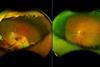
NewsBridging controversy: New international guidelines redefine diagnosis and treatment of fungal eye infections
A global expert panel from the Asia-Pacific region has now issued 20 consensus statements providing comprehensive, evidence-based guidance for the diagnosis and management of a sight-threatening condition - fungal endophthalmitis.
-
 News
NewsHow reactive oxygen species target viruses differently: new clues for safer water disinfection
A new study systematically explored how reactive oxygen species (ROS) inactivate viruses with distinct structures. The results revealed clear heterogeneity: enveloped RNA viruses were most susceptible to oxidation, while double-stranded DNA viruses showed strong resistance.
-
 News
NewsMucosal virome and host transcriptome interactions reveal viral influence in colorectal polyp development
A new study has provided the first integrated mucosal virome-transcriptome landscape of colorectal polyps, the precursors of colorectal cancer, offering new insights into viral-host interactions at this early disease stage.
-
 News
NewsPlant extracts show promise in reducing human pathogen risks in agricultural soils
A new study has revealed that natural plant extracts can significantly lower the risks posed by human bacterial pathogens in manure amended agricultural soils. The eco friendly strategy disrupts the communication systems that bacteria use to coordinate harmful activities.
-
 News
NewsA viral fitness-constraint strategy exploits the structural and functional limitations of viral evolution
Researchers have revealed two innovative strategies for the development of durable and broadly neutralizing antibodies against SARS-CoV-2. Their study proposes the immune trajectory strategy and the viral fitness-constraint strategy.
-
 News
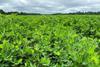
NewsCan a synthetic compound help plants recruit beneficial bacteria?
Researchers examining how a DMA analog called proline-2’-deoxymugineic acid (PDMA) influences the rhizosphere microbiome of peanut plants found that PDMA increased the abundance of beneficial microbes, particularly those within the phylum Actinobacteria.