
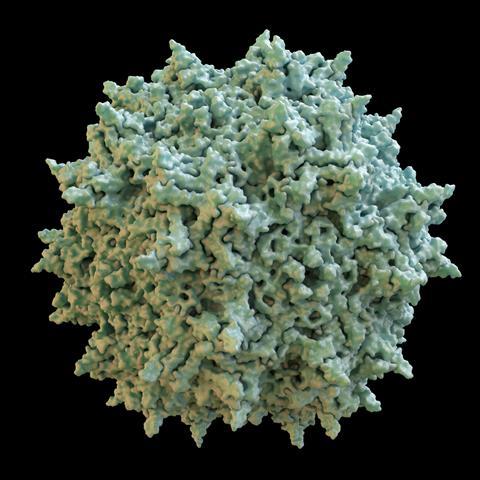
Jessica Harris reports back on her Summer Studentship at De Montfort University, and her research into how plant-derived compounds affect viruses, and whether combining these antivirals might increase viral inhibition.
This summer, I had the privilege of undertaking a research internship funded by Applied Microbiology International (AMI), at De Montfort University, supervised by Gemma Cooper and Maitreyi Shivkumar, an opportunity that proved to be both intellectually rewarding and personally transformative.
The opportunity offered me the chance to contribute to an important area of microbiology research while developing my technical skills and my professional confidence. I applied for the internship because I wanted to explore research, whilst allowing me to immerse myself in microbiology research, which aligns with my long-term career ambitions. This experience far exceeded my expectations, providing me with valuable skills, meaningful results, and increasing my motivation to pursue a career in microbiology research.
The aim of my research project was to investigate plant-derived compounds as potential alternatives to conventional antivirals for human coronavirus. With viral infections continuing to pose a global health threat, particularly in light of recent pandemics, the need for accessible therapies has never been greater. Natural products have long been a source of antiviral activity with therapeutic potential, and my project focused on three compounds of particular interest: andrographolide, mangiferin, and amarogentin. Each of these has been reported to exhibit antiviral properties, but there was limited research on their combined efficacy. The main question driving my project was whether combining these compounds would produce a greater inhibitory effect against coronavirus replication compared to using them individually. My objective was, therefore, first, to assess the individual antiviral activity of these compounds, and second, to determine whether synergistic effects could be observed when they were used in combination.
The results of my project were both exciting and promising. Using a combination of cell culture experiments, PCR assays, Western blot analysis, and functional assays, I was able to generate evidence that all three compounds displayed measurable antiviral effects against human coronavirus. Individually, each compound demonstrated some capacity to reduce viral replication and protein expression, but their effects were modest. However, when tested in combination, there was a significant enhancement in antiviral activity, with the combinations consistently outperforming the individual treatments. This suggested a synergistic relationship, in which the compounds complemented one another to produce a stronger inhibitory effect on viral replication. We showed that treatment reduced the amount of virus, as well as lowered viral RNA levels, providing multiple lines of evidence for the enhanced efficacy of these compound mixtures. These findings are important because they highlight the potential of plant-derived compounds as a powerful combination strategy against human coronavirus.
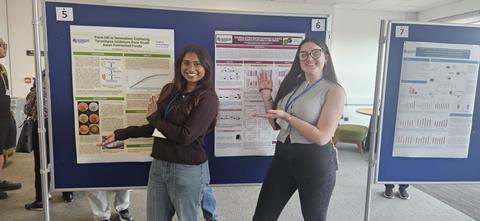
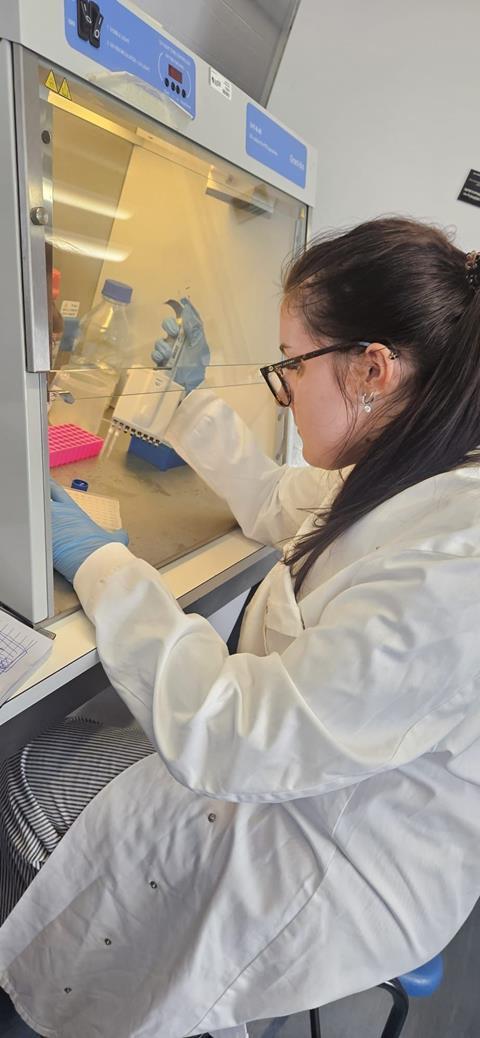
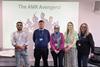
Although further research is needed to translate these laboratory findings into clinical applications, the results of my research add to the growing evidence that natural products may form the basis of future antiviral therapies. Beyond the scientific results, the skills I developed throughout this internship were invaluable. I became more confident in my laboratory skills and troubleshooting when experiments did not go as expected. On a broader level, I developed transferable skills in data interpretation, scientific writing, and oral presentation, particularly when I shared my findings with colleagues and supervisors through a scientific poster presentation and oral flash talk at the De Montfort University Faculty of Health and Life Sciences conference. I was particularly pleased to have won second place for my poster presentation! The support and guidance I received from my supervisors and colleagues were instrumental in my growth, and the experience has reinforced my determination to pursue microbiology as a career.
I am extremely grateful to Applied Microbiology International for funding and supporting this internship. The experience has equipped me with skills and knowledge that will benefit me for years to come, while also giving me confidence in microbiology research. I would strongly recommend this internship to anyone who has the chance to take part. It offers a rare opportunity to conduct meaningful, hands-on research, to develop technical and transferable skills, and to connect with a community of passionate scientists. My internship with AMI was a pivotal moment in my professional journey, as it allowed me to contribute to research while strengthening my scientific abilities.
The Shivkumar Lab at De Montfort University focuses on developing novel antivirals and understanding virus–host interactions to improve infection prevention and treatment.


No comments yet