
All Editorial articles – Page 22
-
 News
NewsConnection between forests and rivers strengthens amphibians’ microbiome and protects them against a lethal fungus
A study indicates that a frog’s resistance to a fungus that has decimated hundreds of amphibian species worldwide is due not only to its genes, but also to the beneficial bacteria living on its skin and to the organization of its surrounding landscape.
-
 News
NewsLow carbon dioxide levels improve microbial production of biodegradable plastic
In an innovative gas fermentation process, reducing concentration of carbon dioxide was found to significantly improve microbial production of the biodegradable plastic, poly[(R)-3-hydroxybutyrate]. The study provides a promising strategy for sustainable carbon recycling and efficient CO2 utilization.
-
 News
NewsHow did the COVID-19 pandemic shift seasonal surges of other respiratory diseases?
A new analysis explores what underlies shifts in the timing of seasonal surges of respiratory diseases, as well as shifts in surges of heart-related deaths, that occurred after the COVID-19 pandemic began.
-
 News
NewsScientists find hidden individuality in viral infections
An international team of researchers developed a new way to uncover hidden differences in how viruses infect and destroy individual microbial cells—solving a biological puzzle that has persisted for more than 80 years.
-
 News
NewsScientists receive DOW funding for fungal biotechnology research
Scientists have been awarded funding to develop new tools permitting high-throughput analysis of fungal genes. The grant focuses on species of Candida, which can contaminate and sometimes cause operational issues in DOW systems like aircraft fuel systems, vehicles, and electronics.
-
 News
NewsResearchers launch global initiative to study disappearing heritage diets
The world’s ‘heritage’ diets could hold vital clues to better health. Researchers from 12 countries have launched the World Diet Initiative, a global effort to document and study these diets before this knowledge is lost.
-
 News
NewsAt-home, lab-quality HIV tests awarded $1.3 million for development
A new two-year, $1.3 million award will help researchers advance a proof-of-concept work toward commercialization of at-home HIV tests sensitive enough for early diagnosis comparable to—or exceeding—lab standards.
-
 News
NewsResearch team receives $10 million NIH grant to study how animals fight infection
Researchers have built a collection of living cells from over 100 animal species to explore innate immune diversity. They have received a 5-year, $10 million grant to utilize this ‘cellular zoo’ to determine how diverse animals recognize and fight virus infections.
-
 News
NewsBacteria form ‘herds’ to survive predators, offering fresh insight into Earth’s carbon cycle
Researchers have discovered that tiny photosynthetic bacteria band together into protective ‘herds’ when attacked by predators – a survival strategy that could also influence how carbon is stored in the world’s waters.
-
 News
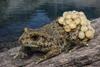
NewsMystery of why some toads survive deadly fungus revealed
The mystery of why some populations of amphibians recover following outbreaks of a deadly fungus has been solved in a new study. Researchers looked at peptides that the toads secreted from their skin – a key part of their immune defence.
-
 News
NewsResearchers link gut microbe to cancer-fighting immune response
A new study is the first to show metabolites produced by certain bacteria in the gut can positively impact the body’s immune response to cancer.
-
 News
NewsFirst-of-its-kind computer model of bacterial biofilms could support antibiotic resistance research
Faster and more effective ways to treat Pseudomonas aeruginosa could be on the cards thanks to a first-of-its-kind 3D computer model which shows how the bacterium grows and reshapes its protective layer and spreads to new surfaces.
-
 News
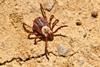
NewsEmerging tick-borne virus raises concern
A study shows how a family of tick-borne viruses known as orthonairoviruses can evade immune defenses, offering important insights into emerging infectious disease threats and the potential pandemic risk posed by these viruses.
-
 News
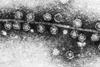
NewsClinical trial aims to break the cycle of recurrent urinary tract infections with bacteria’s natural enemies
Researchers’ data-driven microbiological and phage therapy approaches may help move phage therapy beyond case-by-case experimental use toward a strategy that is predictable, measurable and clinically interpretable.
-
 News
NewsKeystone microbes help stabilize nutrient cycling in a massive deep-water reservoir
A three-year genomic study reveals that microbial communities change substantially over time, while versatile keystone taxa help preserve essential ecosystem functions.
-
 News
NewsGenetically engineered Bifidobacterium shows potential for oral delivery of cancer vaccines
A novel oral vaccine platform using genetically engineered Bifidobacterium could enhance anti-tumor immunity. In an exploratory phase I clinical study, the vaccine was well tolerated and generated immunologic and clinical findings that warrant further investigation.
-
 News
NewsPlant-based wound dressing fights infection before it takes hold
A new dressing made from plant-based materials can deliver antibiotics directly to wounds during critical early stages of infection, according to researchers. The study is the first to use this family of sustainable furan-based polymers for infection-fighting wound dressings.
-
 News
NewsPhytoplankton apply the onion skin principle
The phycosphere, which surrounds ocean microalgae, is one of the most important marketplaces for organic carbon in the oceans. A new study of chemical signals in this region suggests that the phycosphere consists of multiple layers.
-
 News
NewsThe family tree of viruses just grew – and it paves the way for a new approach to agricultural research
Researchers have discovered that a group of viruses known to infect an agriculturally important plant pathogen has remained genetically stable for an astonishing four decades. The work also led to the classification and naming of the group of phages.
-
 News
NewsSix years of drought reshape soil microbiomes in tallgrass prairie, study finds
A new study tracking soil microbial communities across six years of experimental drought in a tallgrass prairie finds that prolonged water stress diminishes biodiversity, pushing communities toward less predictable, harder-to-reverse configurations.