
A newly identified disease affecting corn and sorghum can closely resemble iron deficiency, potentially leading farmers to apply costly nutrient treatments that do not address the underlying problem. New research published in Plant Health Progress documents the discovery and identification of a bacterial pathogen responsible for the symptoms.
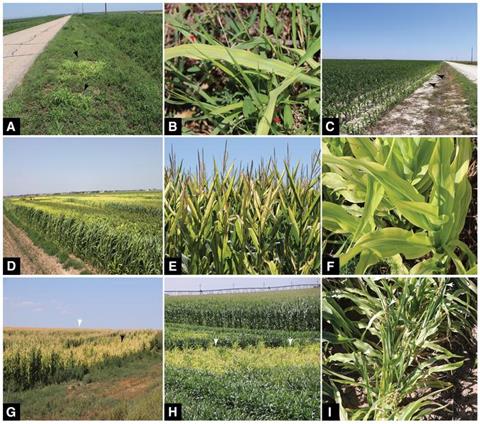
The study, conducted by Ken Obasa of the Texas A&M AgriLife Research and Extension Center and Dennis Coker of Texas A&M AgriLife Extension Services, began in 2023 when bright lemon-green foliar discoloration with interveinal chlorosis was observed on wild grasses in the northwestern Texas Panhandle.
Later that year, identical symptoms appeared in nearby corn and sorghum fields. Affected plants were often stunted and delayed in development, with reduced reproductive growth. In severe cases, plants failed to reach the reproductive stage.
Initial observations suggested iron deficiency, but soil and plant tissue tests showed that symptomatic plants actually had higher iron content than healthy-looking plants. The random distribution of affected plants within fields also suggested a biological cause rather than a nutrient issue.
“Given the similarity of the disease symptoms to those typically associated with iron deficiency, it’s not hard to imagine farmers spending extra money to apply supplemental iron, but sadly, only to find out it did not address the underlying issue,” Obasa said.
Nailing the culprit
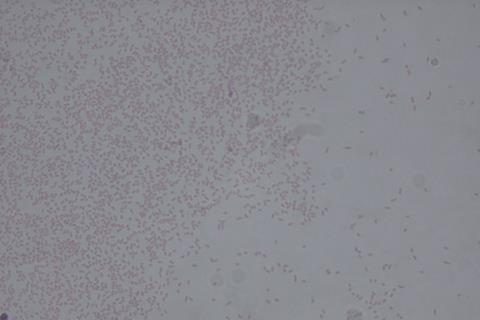
After ruling out fungal pathogens and while exploring the possibility of phytoplasmas, researchers recovered a microorganism using specialized media. Further investigation using microscopy, antibiotic testing, and DNA sequencing identified the organism as the bacterial pathogen Pantoea agglomerans.
This research describes a previously unreported disease affecting corn and sorghum and suggests unusual biological behavior in the bacterium, including dimorphism and a possible distinct genotype of P. agglomerans.
“These findings hopefully will inform agronomists to exercise caution and to undertake testing of symptomatic plants before recommending application of supplemental iron,” Obasa said. “Lack of awareness could result in unnecessary increases in production costs with no commensurate return on the additional investments.”
Worldwide implications
Although the pathogen was first observed in the Texas Panhandle, its identification as a pathogen infecting corn and sorghum has cost-saving implications for farmers domestically and around the world. Researchers are continuing to investigate how the pathogen spreads in the field, which will help guide the development of future disease management recommendations.
Read “Pantoea-Induced Interveinal Chlorosis (PIC): A New Bacterial Disease of Corn and Sorghum Caused by Pantoea agglomerans Identified in the Texas Panhandle” to learn more.







No comments yet