
Cancer immunotherapy has transformed oncology, yet many patients fail to respond or eventually develop resistance. Emerging research reveals that the gut microbiota—the vast microbial ecosystem living in the human intestine—plays a decisive role in shaping treatment outcomes.
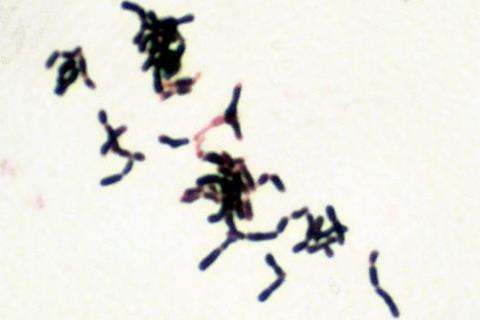
The study synthesizes growing evidence showing that commensal microbes enhance anti-tumor immunity by producing immune-active metabolites, remodeling the tumor microenvironment, and activating key immune cells such as dendritic cells and cytotoxic T cells. By integrating mechanistic insights with clinical findings, the work highlights how manipulating gut microbial communities could convert ineffective immunotherapy into successful treatment, opening a new frontier where microbiology and cancer medicine converge.
Immune checkpoint inhibitors targeting PD-1 and PD-L1 have revolutionized cancer therapy, delivering long-term survival benefits in several malignancies. However, nearly half of patients show limited response or develop resistance, while some discontinue treatment due to immune-related side effects.
Traditional biomarkers, including PD-L1 expression and tumor mutation burden, fail to fully explain this variability. Increasing evidence suggests that systemic host factors beyond the tumor itself influence therapeutic success. Among these, the gut microbiota has emerged as a critical regulator linking metabolism, immunity, and environmental exposure. Due to these challenges, in-depth research into microbiota-mediated mechanisms influencing PD-1/PD-L1 therapy became necessary.
Commensal bacteria
Researchers from the Fourth Military Medical University reported (DOI: 10.20892/j.issn.2095-3941.2025.0347) in Cancer Biology & Medicine a comprehensive review examining how gut microbial ecosystems regulate responses to PD-1/PD-L1 immunotherapy.
The study integrates findings from preclinical experiments, clinical trials, and multi-omics analyses to reveal how commensal bacteria influence immune activation, treatment sensitivity, and toxicity. The authors demonstrate that microbiota-based interventions—including probiotics, fecal microbiota transplantation, and engineered bacterial therapies—may enhance immunotherapy effectiveness and enable personalized cancer treatment strategies.
Metabolic–immune organ
The review describes the gut microbiota as a “metabolic–immune organ” capable of reshaping anti-tumor immunity through interconnected biological pathways. Beneficial bacteria such as Akkermansia muciniphila, Bifidobacterium, and Lactobacillus enhance immunotherapy by producing metabolites including short-chain fatty acids and tryptophan derivatives.
These molecules regulate T-cell differentiation, improve antigen presentation, and delay immune exhaustion—key factors determining PD-1 therapy success. Mechanistically, microbial metabolites activate dendritic cells, promote CD8⁺ T-cell mitochondrial fitness, and suppress excessive PD-L1 expression within tumors. Experimental models show that introducing responder-associated microbiota can restore sensitivity to PD-1 therapy in resistant cancers.
Clinical studies further demonstrate that fecal microbiota transplantation re-established treatment responses in a subset of advanced cancer patients while reducing immune-related adverse events. The authors also highlight emerging microbial biomarkers capable of predicting therapy outcomes with high accuracy when combined with metabolomics and machine learning approaches.
Beyond natural microbes, synthetic biology strategies—such as engineered bacteria with safety “kill switches” or patient-derived autologous strains—are proposed to deliver immune-modulating signals directly within tumors. Together, these findings redefine cancer therapy as an ecosystem-level interaction between host immunity, microbes, and tumor biology.
Regulator of immune responsiveness
The authors emphasize that cancer immunotherapy outcomes cannot be understood solely through tumor genetics. Instead, they argue that the gut microbiome functions as a systemic regulator of immune responsiveness. By modulating metabolic signaling and immune balance, microbial communities determine whether tumors remain resistant or become vulnerable to immune attack.
The researchers suggest that integrating microbiome profiling into clinical decision-making could help identify patients most likely to benefit from checkpoint inhibitors while guiding personalized microbial interventions to enhance therapeutic success.
Microbiota-guided immunotherapy may reshape future oncology practice. Personalized microbial diagnostics could predict treatment response before therapy begins, while targeted interventions—such as dietary modulation, probiotics, or microbiota transplantation—may improve efficacy and reduce toxicity. Engineered live bacterial therapeutics and AI-assisted microbiome modeling could enable programmable immune enhancement tailored to individual patients.
Beyond cancer, these insights may influence treatments for autoimmune and inflammatory diseases by leveraging microbial–immune interactions. As research advances, the gut microbiome could evolve from a hidden biological factor into a controllable therapeutic platform, transforming immunotherapy into a precision ecosystem-based medicine.





No comments yet