Secondary infections caused by bacteria or viruses during hospital care remain a long-standing global challenge, despite advances in modern medicine. In particular, mixed bacterial–viral infections in critically ill or immunocompromised patients are extremely difficult to treat and are associated with significantly increased mortality.

At the same time, the rapid rise of antibiotic-resistant bacteria and the frequent emergence of viral variants have exposed the limitations of existing antibiotics and vaccines. These challenges have driven growing interest in new strategies that prepare the body’s immune system in advance, enabling it to respond more rapidly and effectively when infection occurs.
Unlike conventional approaches that directly target specific pathogens, this emerging strategy focuses on priming the immune system so that immune cells can react faster and more strongly at the moment of infection.
Inspired by this concept, a research team led by Drs. Choong-Min Ryu and Hwi Won Seo at the Infectious Disease Research Center of the Korea Research Institute of Bioscience and Biotechnology (KRIBB) has proposed a new infection-prevention strategy based on the proactive activation of innate immunity using a compound already widely used in pharmaceuticals.
Doubling up
The study focused on n-dodecyl-β-D-maltoside(DDM), a substance previously known primarily as an excipient that stabilizes active ingredients during drug formulation. The researchers investigated whether DDM could also function as an immune-modulating agent capable of activating the body’s innate immune system.
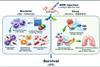
To evaluate its preventive effects, the research team administered DDM to experimental animals one day before exposure to infection. When subsequently challenged with highly pathogenic antibiotic-resistant bacteria and influenza virus, all animals in the untreated control group died. In contrast, animals pretreated with DDM showed 100% survival, demonstrating a striking protective effect.
Mechanistic studies revealed that, rather than directly attacking pathogens, DDM rapidly mobilizes and activates neutrophils, the key effector cells of innate immunity, directing them to the site of infection. Upon arrival, neutrophils enhance their phagocytic and bactericidal activities, effectively eliminating invading pathogens.
Tightly regulated
Importantly, this neutrophil activation occurred selectively in response to infection. In the absence of pathogens, excessive inflammation or noticeable side effects were not observed, indicating that the immune response was tightly regulated rather than continuously overstimulated.
This study is significant in that it presents a precision immune-priming strategy—not one that indiscriminately boosts immunity, but one that prepares the immune system to act accurately and only when needed.
The findings suggest a pathogen-agnostic approach to infection prevention at a time when both antibiotic resistance and emerging infectious diseases pose increasing threats. In particular, this strategy may offer a new preventive option for vulnerable populations, such as intensive care unit patients, older adults, and individuals with weakened immune systems.
“This study demonstrates a new infection-response strategy that helps the body cope with complex infections by activating its own immune defenses,” said Dr. Hwi Won Seo, the study’s lead investigator. “We expect this approach to evolve into a broadly applicable infection-prevention strategy capable of addressing unpredictable threats, including antibiotic-resistant bacteria and emerging viruses.”
The study was published online on January 29 in eBioMedicine (Impact Factor: 10.8), a sister journal of The Lancet and a leading international journal in basic and translational medicine.
The article is titled “Innate immune priming by n-dodecyl-β-D-maltoside in murine models of bacterial and viral infection.” The corresponding authors are Dr. Hwi Won Seo and Dr. Choong-Min Ryu, and the first author is Jisun Park.
No comments yet