
Acute respiratory infections remain one of the leading reasons of hospitalization in children worldwide, yet many infections do not occur in isolation. Viruses and atypical bacteria can circulate at the same time, interact with one another, and alter disease patterns in ways that are difficult to predict.
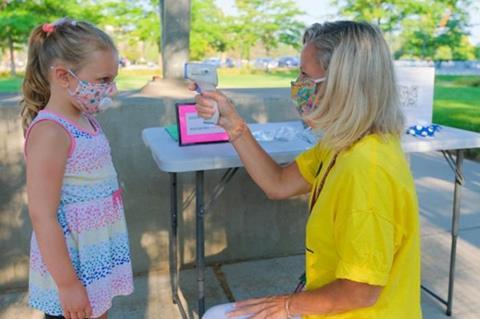
The COVID-19 pandemic, along with widespread use of protective masks, school closures, and reduced social contact, created an unprecedented scenario for understanding these interactions.
To explore how the pandemic changed respiratory infection trends in children, researchers from China examined data from 73,096 pediatric patients hospitalized with acute respiratory tract infections in Wenzhou and Ningbo, two coastal cities in eastern China with similar climates. The study led was by Dr. Hailin Zhang and Dr. Shunhang Wen from The Second Affiliated Hospital and Yuying Children’s Hospital of Wenzhou Medical University, China. The findings were published on (19, January, 2016) in Pediatric Investigation.
“This was a rare opportunity to observe how respiratory pathogens behave when their normal transmission patterns are disrupted, then suddenly restored,” said Dr. Hailin Zhang. “The pandemic allowed us to see not only the changes in infection rates, but also how pathogens influence one another.”
Respiratory samples
The team retrospectively analyzed respiratory samples collected between March 2021 and February 2024, encompassing periods before, during, and after the implementation of major COVID-19 control measures. Using a multiplex PCR test, the researchers screened each sample for 13 non-bacterial respiratory pathogens, including influenza viruses, respiratory syncytial virus (RSV), rhinovirus, human coronaviruses, and Mycoplasma pneumoniae.
Advanced statistical and time-series models were then used to examine co-infections and pathogen interactions over time. During periods of strict non-pharmaceutical interventions (NPIs), the overall detection of respiratory pathogens dropped by more than 56%, underscoring how effective masking, maintaining social distance, and reduced mobility were key at suppressing transmission. After restrictions were revoked, however, detection rates rebounded by over 75%, with some pathogens returning at levels higher than before the pandemic.
Striking increase
The most striking increase involved Mycoplasma pneumoniae, an atypical bacterium that commonly causes pneumonia in children. Its detection rate surged from 5.29% during the pandemic to 34.78% afterward, making it the most frequently detected pathogen in the post-pandemic period. “We were surprised by how sharply Mycoplasma pneumoniae rebounded. This suggests that a large pool of susceptible children was created during the pandemic,” said Dr. Shunhang Wen.
Beyond individual pathogens, the study revealed a major shift in how respiratory pathogens interacted. After the pandemic, negative correlations between pathogens were reported to have grown stronger, where the presence of one pathogen was associated with reduced detection rates of another.
Negative relationship
One consistent finding was a persistent negative relationship between the Influenza B virus and Mycoplasma pneumoniae. When Influenza B activity peaked, Mycoplasma pneumoniae detections temporarily declined, suggesting a phenomenon known as pathogen interference.
“This pattern hints that infection with one pathogen may briefly suppress another, possibly through immune responses like interferon release,” Dr. Wen explained. “Understanding these dynamics could help clinicians anticipate shifts during outbreaks.”
The researchers explained that this study paves the way for research. This study focused only on hospitalized children, and may not fully reflect milder infections in the community. In addition, the analysis did not include SARS-CoV-2 testing data, and the study covered just two cities, limiting the generalizability to other regions and identifying areas of further research.
Importance of surveillance
Even so, experts say the findings highlight the importance of ongoing surveillance as the world adjusted to life after COVID-19. “The post-pandemic era is not a return to the old normal. Respiratory pathogens are interacting in new ways, and public health systems need to be prepared for unexpected patterns of childhood infections,” Zhang said.
READ MORE: Human ‘mini-noses’ help understand why RSV infections are more severe in children than in adults
READ MORE: Study identifies viral combinations that heighten risk of severe respiratory illnesses in infants
The authors conclude that future prevention strategies, such as vaccination interventions and outbreak preparedness, should consider not just individual pathogens, but how they interact within pediatric populations.
No comments yet