
Targeting Phage Therapy 2026 will convene international leaders to accelerate clinical deployment, highlight innovation, and recognize excellence through the Targeting Phage Therapy Awards.
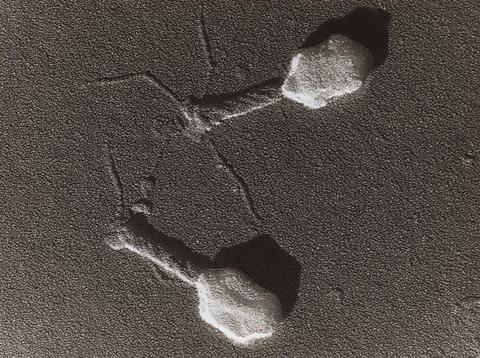
As antimicrobial resistance continues to challenge modern medicine, bacteriophage therapy is entering a decisive phase. The question is no longer whether phages can kill bacteria. The strategic question is whether the field can now build the clinical, regulatory, industrial, and hospital infrastructure required to make phage therapy a mainstream therapeutic option.
The Targeting Phage Therapy 2026 Congress, taking place in Valencia, Spain, on June 9–10, 2026, will bring together leading scientists, clinicians, microbiologists, engineers, biotech leaders, regulators, hospital teams, start-ups, and innovators to address one central challenge:
How can phage therapy move from promising science to accessible, validated, and deployable medicine?
Translational trajectory
The 2026 agenda is structured around a clear translational trajectory: from mechanisms and clinical evidence to production, regulation, innovation, implementation, and access.
The first day of the congress will focus on “From Science to Clinical and Applied Impact”. It will explore how phage biology, therapeutic design, chronic infection models, engineered phages, and One Health applications can shape the next generation of antibacterial strategies.
The congress will open with Benjamin K. Chan, Yale University, USA, who will deliver the opening keynote lecture: Turning Evolution into Therapy: A New Strategy to Fight Antibiotic-Resistant Infections. His lecture will highlight one of the most powerful shifts in the field: using bacterial evolution not as an obstacle, but as a therapeutic lever. This strategy can potentially drive bacteria toward evolutionary trade-offs, weaken pathogenicity, and restore antibiotic sensitivity.
Other confirmed speakers for Day 1 include:
Opening Keynote Lecture: Turning Evolution into Therapy: A New Strategy to Fight Antibiotic-Resistant Infections
Benjamin K. Chan, Yale University, USA
Advancing Phage Therapy for Chronic Infections: From Experimental Evidence to Clinical Use
Joana Azeredo, University of Minho, Portugal
Bacteriophages Redesigned: Engineering of Next-Generation Phage Therapeutics and Diagnostics
Martin J. Loessner, ETH Zürich, Switzerland
The Human Virome in Chronic Infection: What Patient Phages Teach Us About Therapeutic Phage Design
Katrine Whiteson, UC Irvine, USA
Phage for Sustainable and Scalable Infection Control in Aquaculture
Adelaide Almeida, Universidade de Aveiro, Portugal
Phage Therapy in Livestock Disease Models: Lessons for Animal and Human Health
Robert Atterbury, University of Nottingham, United Kingdom
Nasopharyngeal Phages: The Silent Players in Piglet Health
Oscar Mencía-Ares, Universidad de León, Spain
Day 2: Enablers for Scale, Access, and Impact
The second day will focus on the decisive enablers of phage therapy deployment: production, regulation, quality standards, personalized treatment pathways, manufacturing, hospital integration, and innovation.
Confirmed speakers for Day 2 include:
Personalized Bacteriophage Therapy in Germany and Beyond – A Consensus-Based Guideline
Annika Y. Classen, Cologne University Hospital, Germany
France launches its first public GMP platform to produce large batches of therapeutic phages at affordable scale
Frédéric Laurent, Hospices Civils de Lyon, France
The Qualified Presumption of Safety (QPS) Qualification of Lytic Bacteriophages: Scientific Criteria and Regulatory Perspectives
Juan Evaristo Suárez, Universidad de Oviedo, Spain
From Bioreactor to Patient: Scalable Manufacturing and Delivery of Therapeutic Phages
Danish J. Malik, Loughborough University, United Kingdom
Chronic Respiratory Infections in the Inflamed Lung: Host–Pathogen Interactions and Opportunities for Phage Therapeutics
Paula Zamora, University of Kansas Medical Center, USA
Personalized Phage Therapy at the Hannover Medical School: barriers, challenges, and next steps
Evgenii Rubalskii, Medizinische Hochschule Hannover, Germany
From Promise to Practice: What Will Make Phage Therapy Mainstream?
This final discussion will address the key barriers that still separate phage therapy from routine medical use: clinical validation, regulatory alignment, GMP production, reimbursement, hospital adoption, and international coordination.
The congress invites start-ups, biotech companies, academic teams, hospitals, diagnostic developers, manufacturing platforms, AI-based phage-matching initiatives, translational consortia, and One Health innovators to submit their innovations.
Selected innovations may be presented during the congress and highlighted to an international audience of experts, clinicians, investors, industry representatives, and institutional partners.
The awards
The Targeting Phage Therapy Awards 2026 will be a central highlight of the congress. These awards will recognize outstanding contributions that are helping transform phage therapy from scientific promise into clinical, technological, and societal impact.
The awards will spotlight excellence in five major areas:
- Scientific Excellence Award
Recognizing outstanding research in phage biology, phage-bacteria interactions, resistance evolution, host range, genomics, therapeutic design, and mechanistic understanding. - Clinical Translation Award
Honoring work that brings phage therapy closer to patient care, including clinical case studies, compassionate use programs, hospital implementation, treatment protocols, and multidisciplinary clinical workflows. - Innovation and Technology Award
Recognizing novel platforms and technologies that can accelerate phage therapy deployment, including diagnostics, manufacturing, AI, engineering, formulation, delivery systems, and quality control. - Young Investigator Award
Supporting the next generation of phage therapy researchers through recognition of outstanding short oral presentations, posters, and early-career contributions. - One Health Impact Award
Highlighting work that extends phage applications beyond human medicine, including food safety, aquaculture, livestock, environmental microbiology, and antimicrobial resistance control.
- Short Oral Abstract Submission Deadline: May 9, 2026
- Poster Abstract Submission Deadline: May 13, 2026
- Innovation Submissions: Open
Submit your abstract here: https://phagetherapy-site.com/
Awards and Recognitions: Open for selected scientific, clinical, technological, young investigator, and One Health contributions
The ambition is clear: to move phage therapy from fragmented success stories toward a structured therapeutic ecosystem.
Targeting Phage Therapy 2026 will take place in Valencia, Spain, on June 9–10, 2026. The congress is dedicated to accelerating the translation of bacteriophage science into clinical, industrial, regulatory, and One Health applications.







No comments yet