
All Plastic degradation articles
-
 News
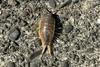
NewsWhat happens when a shoreline scavenger consumes microplastics?
Researchers report on what happens when wharf roaches, a common shoreline scavenger, eat expanded polystyrene (EPS). Analysis of the wharf roach gut microbiome showed little change, but several rare microbes were found only in the EPS-fed specimens.
-
 News
NewsMicroplastics may act as pollutant shuttles, carrying chemicals, pathogens and antibiotic resistance genes
A new review reveals how microplastics transport multiple pollutants across ecosystems and proposes a framework for identifying when these vector effects become serious ecological threats.
-
 News
NewsAn enzyme with potential: New type of plastic-degrading enzyme discovered in bacteria
Researchers have identified a new enzyme that can not only degrade certain polyesters and bioplastics, but also might provide bacteria with resistance to antibiotics. The discovery raises hopes that microorganisms can adapt to plastic degradation more rapidly than previously thought.
-
 News
NewsCaterpillar that attacks soybeans and cotton harbors fungi that can degrade polystyrene
A moth caterpillar identified by the agribusiness sector as one of the most destructive pests of soybean, cotton, and corn crops may harbor fungi and bacteria in its gut that can degrade expanded polystyrene, also known as Styrofoam.
-
 News
NewsRecycling food waste would bring huge benefits, but microplastics a challenge
A first nationwide look shows diversion of U.S. food waste from landfills could reduce related climate impacts by 89% and nutrient pollution by 50%, researchers say.
-
 News
NewsMove over quokkas: Rottnest’s salt lake bacteria could be the island’s next big claim to fame
Scientists have read the full genetic code of bacteria from the salt lakes of Wadjemup (Rottnest Island), giving them their clearest picture yet of how these tiny organisms could be used to make biodegradable plastic.
-
 News
NewsExpanding uses for bioengineered bacterial spores
Fused to the outer layer of bacterial spores, things like enzymes, biosensors, and drugs are easily stored under even extreme conditions.
-
 News
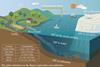
NewsArctic microplastics: A ticking time bomb for climate feedback loops
A new study systematically maps the major transport pathways—atmospheric, oceanic, and local—and details how microplastics infiltrate Arctic food webs and interact with physical and biogeochemical processes that govern regional climate.
-
 News
NewsWhy plastic lingers: Water chemistry slows nature’s cleanup
In a new study designed to mimic real environmental conditions, researchers found that the chemical makeup of natural waters significantly delays the breakdown of polystyrene, a common plastic used in packaging and food containers. Because sunlight cannot effectively initiate the degradation process, microbes cannot finish the job.
-
 News
NewsThe impact of microplastics on ocean carbon uptake
Scientists who collected phytoplankton data from various climate zones around the world determined the extent to which growth is limited by microplastics. They have then used this data to calculate the average impact that a certain concentration of microplastics will have on algae in different regions or climate zones, as well as on a global scale.
-
 News
NewsParaprobiotic counteracts damage to male fertility from BPA in plastic
BPA has been shown to impair sperm function, in part through increased generation of reactive oxygen species. Researchers investigated whether a paraprobiotic material derived from the lactic acid bacterium Enterococcus faecalis (known as FK‑23) protects against the sperm toxicity caused by BPA.
-
 News
NewsSynthetic biology leads to recyclable textiles: Engineered protein fibers for a cleaner future
Scientists have created protein-based materials, which are produced in bioreactors using genetically engineered microbes. These materials can be readily recycled after use and remade into the same fibers over multiple cycles. In addition, any microparticles, if released from these fibers during washing, would be biodegradable.
-
 News
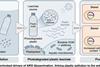
NewsSunlight and PVC pipes create a hidden driver of antibiotic resistance
New research shows that chemicals leaching from everyday PVC—especially after exposure to sunlight—can dramatically speed up the spread of resistance genes between bacteria. The effect was strongest at low to moderate concentrations, where the leachate triggered bacterial stress responses without killing the microbes.
-
 News
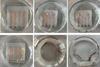
News‘Living plastic’ activates and self-destructs on command
Living plastics that self-destruct on command incorporate activatable, plastic-degrading microbes alongside the polymers. The latest study used two bacterial strains that worked together and completely broke down the material within just six days, without making microplastics.
-
 News
NewsHemp waste biocomposites offer a lower-carbon alternative for packaging and agricultural films
A new study explores how hemp hurd can be converted into microfiber-based biocomposites for packaging films and agricultural mulch films, and shows anaerobic digestion delivers the best environmental outcome for hemp hurd-based bioplastic systems.
-
 News
NewsCrab shell by-products could help regulate the marine lifetime of biodegradable plastics
Researchers show that crab shell by-products can reduce the breakdown rate of biodegradable plastics in seawater by altering the microbial communities that colonize their surfaces, known as the plastisphere.
-
 News
NewsStudy: Microbes show almost universal potential for biodegrading plastics
Researchers have identified more than 600,000 microbial proteins capable of breaking down natural and synthetic plastics, revealing a far broader biodegradation potential across microbes than previously known.
-
 News
NewsNameko mucilage: An eco-friendly solution for microplastic pollution
Researchers use natural mucilage from nameko mushrooms for the removal of micro- and nano-plastics from water. The mucilage is rich in polysaccharides, particularly pectin—a naturally occurring plant-based compound—which is known for its particle-binding properties.
-
 News
NewsHow microbes survive in the plastisphere
Trillions of persistent plastic particles of varying sizes are scattered throughout the world’s oceans, where they often accumulate in ocean gyres known as ‘garbage patches’. Two of these regions were the focus of research expeditions.
-
 News
NewsEngineered enzyme breakthrough offers sustainable solution for polyurethane plastic recycling
A research team has elucidated, for the first time, the catalytic mechanism by which the esterase Aes72 hydrolyzes urethane bonds in polyurethane (PU), and by engineering the enzyme to further enhance its catalytic efficiency.