
All Disease Pathology articles – Page 4
-
 News
NewsLong non-coding RNAs offer new hope for earlier detection and improved treatment of liver cancer linked to hepatitis B
Long non-coding RNAs may play a pivotal role in shaping the future of diagnosis, prognosis, and treatment in HBV-associated liver disease.
-
 News
NewsDoes eczema increase the risk of developing shingles?
New research indicates that people with eczema face an elevated risk of developing shingles.
-
 News
NewsMalaria causes permanent damage to phagocytes in the spleen
A new study has shown that recruited macrophages are only capable of replacing resident ones to a limited extent during malarial infection.
-
 News
NewsImbalances in the oral microbiome linked to symptomatic hand osteoarthritis
Specific imbalances and disruptions to the oral microbiome have been linked to symptomatic hand arthritis. Study findings suggest that the microbial environment of the mouth may influence the disease process of hand arthritis.
-
 News
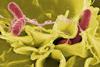
NewsIntestinal cells found to starve Salmonella of essential nutrients, revealing new tactic in infection defense
A new discovery sheds light on how the human body controls Salmonella infections and opens pathways for potential treatments for Salmonella and other food-borne infections.
-
 News
NewsProbiotic bacteria Lactobacillus rhamnosus alleviates diabetic nephropathy in rat models
A recent study demonstrates that the probiotic strain Lactobacillus rhamnosus exerts significant renoprotective effects rat models of diabetic nephropathy.
-
 News
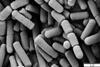
NewsBiofilm “scaffolds” protect bacterium responsible for food poisoning from antibiotics
Bacillus cereus, which is responsible for human infections and food poisoning, builds organized communities that act as a ‘shield’ against antibiotics, a new study reveals.
-
 News
NewsRight versus left: Colorectal cancer’s two microbial worlds
New research reveals that the mucosal microbiome varies dramatically depending on whether a tumor arises on the right or left side of the colorectum, suggesting that the microbial environment surrounding tumors may be as geographically distinct as the tumors themselves.
-
 News
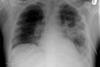
NewsDiscovery of severe pneumonia subtypes could lead to tailored treatments for life-threating disease
New research shows that severe pneumonia has three different subtypes, helping explain why some patients in intensive care units (ICUs) recover quickly, while for other patients the disease can be life-threatening.
-
 News
NewsHow H5N1 bird flu hid unrecognized for weeks in dairy cattle
A new study reveals why H5N1 influenza infection looked so different in dairy cows, offering a framework for spotting new host species quickly. Instead of affecting the lungs, it caused severe infection in the cows’ udders, largely sparing the lungs.
-
 News
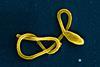
NewsKey facts about Hantavirus and Ebola virus disease
Ebola and hantavirus have made headlines in recent weeks as they pose serious threats to public health. Two succinct articles provide information about each disease for clinicians.
-
 News
NewsA new HIV vaccine study reveals new hope—and new challenges—for aging patients
A new clinical trial demonstrates that novel vaccines can significantly boost T cells targeting and could contribute to curative approaches against HIV.
-
 News
NewsA gut bacteria molecule may calm intestinal inflammation by turning down cellular energy
A new study suggests enterobactin, a molecule produced by gut bacteria, could offer a new pathway for treating inflammatory bowel disease.
-
 News
NewsAkkermansia muciniphila PROBIO therapy promotes arginine biosynthesis and reverses reproductive impairments in polycystic ovary syndrome rats
A research study investigated the therapeutic potential of Akkermansia muciniphila PROBIO (AP) in a dehydroepiandrosterone-induced PCOS rat model, revealing significant improvements in reproductive and metabolic parameters through modulation of gut microbiota and enhancement of arginine biosynthesis.
-
 News
NewsBiomarkers indicating higher liver cancer risk in chronic hepatitis B patients identified
Researchers have identified Hepatitis B RNA serum levels as a biomarker that more accurately stratifies risk of liver cancer in individuals who have been functionally cured of chronic hepatitis B.
-
 News
NewsScientists develop new gut health measure that tracks disease
Scientists have found that healthy and diseased digestive systems behave like two distinct ecological states, driven not by individual microbes but by how entire bacterial communities compete and cooperate.
-
 News
NewsUrinary tract infections can trigger delirium and worsen dementia
Urinary tract infections can pose serious risks for older adults, particularly those with Alzheimer’s disease and other forms of dementia. In older patients, a common UTI can trigger delirium, a medical emergency marked by sudden confusion and altered awareness.
-
 News
NewsResearchers discover novel bacteria in Florida’s stranded pygmy sperm whales
Researchers have identified three previously unknown genotypes of Helicobacter bacteria living inside stranded pygmy sperm whales. The study represents the first documented occurrence of these unique Helicobacter genotypes – now designated Kogia Helicobacter 1, 2 and 3 – in pygmy sperm whales.
-
 News
NewsDouble trouble: Tobacco use and Long COVID
Researchers investigating the relationship between Long Covid symptoms and smoking by tobacco type found that certain symptoms correlated with different forms of smoking.
-
 News
NewsToxic gut bacteria may drive ulcerative colitis by killing protective immune cells
A toxin-secreting gut bacterium may fuel ulcerative colitis by killing protective immune cells that maintain intestinal homeostasis, according to a new study. The findings suggest potential for new treatment strategies.