
Extremophiles are microbial organisms that live in extreme environments normally considered uninhabitable. Over the past few decades, extremophiles have been discovered in increasingly bizarre and unexpected environments around the globe, including within acid lakes, plastic recycling centres and even in radioactive sites such as Chernobyl.
The discovery and characterisation of extremophiles is of great benefit to the public as, if the mechanisms by which these microbes survive in such extreme environments are understood, these strategies can be harnessed and used in bioremediation efforts to restore the Earth’s natural beauty and help undo the damage caused by human activity.
Acid lakes and hot springs
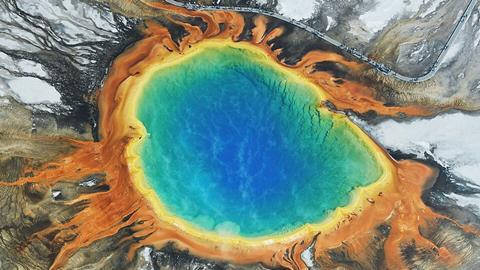
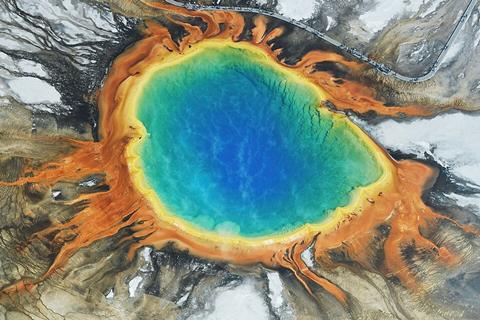
Hot springs offer a multitude of challenges for the microbes that live inside them. They regularly reach temperatures between 60℃ and 80℃, and some are also highly acidic with pH’s recorded as low as pH 2. Microbes living in such extreme temperatures have been given the name “thermophiles” and were first documented inside the Yellowstone National Park hot springs in 1964, with the discovery of Thermus aquaticus by Professor Tom Brock. This species was found to contain several highly thermostable enzymes - including one which is fundamental to the process of PCR used to analyse DNA.
Since then, several microbes have been documented within hot springs, including algal species and other thermophilic bacteria, including Cyanobacteria, Thermoanaerobaculum aquaticum and Fontimonas thermophile. Interestingly, one of the Cyanobacteria found within the yellow national parks, Phormidium treleasei, is so rare that it has only been recorded in five other places in the world. These microbes have adapted to their environment by evolving thermostable enzymes and specialised “heat shock” proteins that assist protein folding in such harsh conditions. Furthermore, several microbes - archaeal species in particular - have been documented to change their cell membranes by using ether bonds instead of ester bonds in their phospholipids to create more rigid monolayers rather than the traditional bilayer structures.

New efforts are now characterising and comparing the microbial communities within hot springs located in Yellowstone, Iceland and Japan. Interestingly, the microbial communities found within these three locations were very similar to one another despite the vast distances between them and differences in bedrock makeup. A study published in Environmental Microbiology found that the main drivers of microbial community changes were pH and temperature, whereby the more extreme temperatures and pHs led to less diverse microbial populations. Another interesting finding was that none of the sites they tested had any microbes that could perform photosynthesis; all the microbes identified relied on chemical energy rather than the sun.
Glaciers and polar regions
Psychrophiles are microbes that grow and survive in extremely low temperatures, like those within the polar regions, one of the most famous examples being the bacterial species Chryseobacterium greenlandensis, which has survived for up to 120,000 years within the ice of a glacier. Genomic studies have revealed that despite the extreme cold, microbial species including bacteria, archaea, and microalgae are all abundant, including some which are unique to those environments. In addition, lichens - which are symbiotic relationships between fungi alongside a photosynthetic partner - have been identified living on Arctic rock faces.
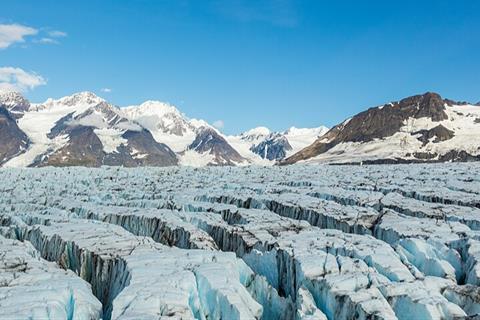
These microbes have adapted several ways to survive the cold temperatures. Both fungi and bacteria in Arctic environments show changes in their cell membranes when compared to their more temperate counterparts. Psychrophilic microbes show changes in the lipid composition of their cell membranes which helps them to retain their fluidity. In addition, Arctic bacteria, fungi and algae all produce their own anti-freeze proteins which stops the inside of their cells from freezing. Some algal species also secret these proteins to even stop liquid around them from freezing to prevent to formation of sharp ice crystals.
A more recent genome analysis published in Nature Biotechnology, on microbial species within cryoconites - which are powdery dusts made up of rock particles and soot that are deposited on glaciers - found some psychrophilic microbes not only produced cold-active enzymes, but also produced different enzymes based on their surrounding temperature. This means microbes within the Arctic can alter or even dampen their metabolism in extremely cold environments until conditions become more favourable.
Deserts
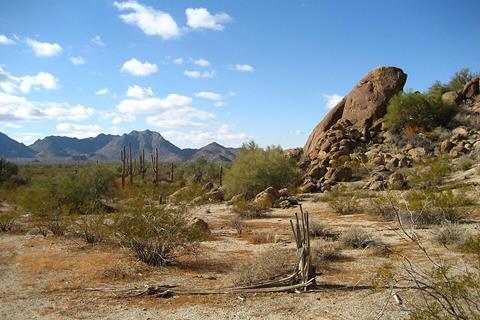
Deserts by comparison give rise to a very different set of challenges with high temperatures and - more importantly - very low water availability. And yet, microbes have still been found thriving within these harsh conditions, with extremophiles that tolerate low water availability being termed “xerophiles”.
Within the Sonoran Desert, a strain of Cyanobacteria called Microcoleus has been identified that desiccates - dries out and shrinks - during dry conditions and bounces back as soon as it rains. This species also produces a compound called scytonemin, which functions like a sunscreen, protecting the bacteria from the high UV of the area. In addition, several bacterial species have also been identified thriving within the Sahara and Gibson Deserts, displaying the same ability to go metabolically dormant under extreme conditions.
New technology is now being applied to gain a better understanding of the microbial communities found within desert environments. A new technique, described in Applied and Environmental Microbiology, is able to separate intracellular and extracellular DNA to help researchers distinguish between living, dormant and dead microbes within samples collected from the Atacama Desert. This will allow scientists to determine with more clarity why species thrive under such environments and how these populations may change over time.
Radioactive sites
Extremophiles that can survive in high levels of radiation – termed “radiophiles” – were first documented in the 1950’s, where Deinococcus radiodurans was isolated in cans of dog food subjected to high levels of gamma radiation. Since then, several bacterial and archaeal species have been isolated from radioactive sites such as Rifle, Colorado, a location which was originally used for nuclear weapons production between the 1920’s and the 1960’s. These include bacterial Geobacter and Betaproteobacteria species, and archaeal Methanosarcina species. These microbes have developed a diverse range of mechanisms to tolerate the uranium-rich conditions, including sequestering the U(IV) on their cell surface, metabolising U(IV) to use as an energy source and even utilising the U(IV) as an electron acceptor during respiration, essentially “breathing” the uranium.
Radiophilic fungi have also been documented – most famously Cladosporium sphaerospermum discovered growing inside of Chernobyl’s exploded power plant in the late 1990’s. These fungi survive in such radioactive environments by packing their cells full of melanin – the same thing that determines skin colour in humans. These fungal species have been labelled as “Radiotrophic” because they use ionising radiation as the main energy source driving their metabolism, and so have been observed actively growing towards the radioactive graphite in the area.
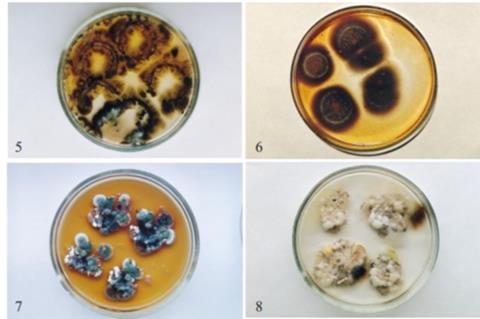
More recently, microbial communities have been found living as biofilms within the radioactive water in the rooms below the reactor of the Fukushima Daiichi Nuclear Power Station in Japan, which was flooded in 2011. The most interesting part of this discovery, published in Applied and Environmental Microbiology, was that many of the species isolated from these biofilms were not themselves inherently resistant to radiation. This suggests that microbial communities within radioactive sites may work together to thrive within such harsh environments, even when individually they may not survive.
These microbes have massive potential for bioremediation efforts and for the nuclear industry overall. The current method for disposal of nuclear waste is to encase it in concrete and bury it. These microbes offer a new strategy for dealing with nuclear waste and for radiation contaminated areas, as these microbes will naturally “mop up” radiation from contaminated areas, stopping the radiation from leaching out into the environment.
Recycling plants
Several bacteria have been discovered in several locations across the globe, metabolising plastic as a food source and have been given the name “Plastivores”. In 2016, scientists discovered a soil bacterium, Ideonella sakaiensis, in a plastic bottle recycling plant in Japan. This bacterium breaks down the microplastic Polyethylene terephthalate (PET) using a two-enzyme system, the products of which are metabolised and used as an energy source by the bacteria. Since then, several other bacterial species have been identified that also break down plastic, including Comamonadaceae bacteria found to be enriched on microplastics within wastewater, and Bacillus thuringiensis found 15 metres down in a landfill site.
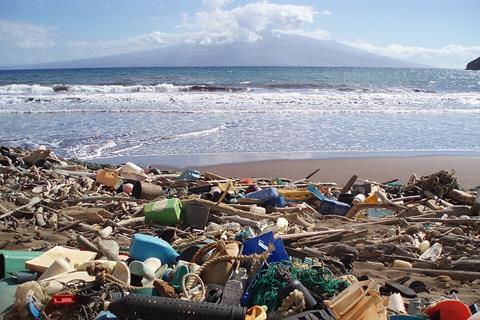
More recently, whole microbial communities have been identified that work collaboratively to break down biodegradable polyesters. These communities were identified in salt marshes near the Yellow Sea Coast, Dafeng and the results published in Journal of Hazardous materials. These “terrestrial plastopheres” were made up of 184 fungal and 55 bacterial strains, all working collectively to digest petroleum-based polymers within their environment.
These microbes are of interest across the globe for biodegradation efforts. With 360 million tonnes of plastic waste generated globally per year, these species offer a new strategy for degrading and recycling this waste. New companies and collaborations, such as Breaking, are working towards evolving these species to improve their plastic-degrading ability for use in tackling the current plastic waste problem both on land and in the ocean.
Topics
- acid lake
- Algae
- Archaea
- Bacteria
- biodegradation
- biofilm
- Biofilms
- bioremediation
- Chernobyl
- Desert
- Environmental Microbiology
- extremophile
- Fukushima
- Fungi
- Geomicrobiology
- glacier
- hot springs
- landfill
- Microbes of the Earth
- Microbial Characterisation
- microbial communities
- Microbial Genomics
- plastivores
- psychrophiles
- radiophiles
- radiotrophism
- thermophiles
- Under the microscope
- xerophiles



.jpg)

No comments yet