
As we age, the immune system gradually declines and becomes less effective at responding to infections and vaccines. This process, known as immunosenescence, contributes to an increased risk of age-related health issues in older people and can weaken their response to vaccinations.
Researchers led by Dr. Katja Simon, Group Leader of the Cell Biology of Immunity lab at the Max Delbrück Center, and Dr. Ghada Alsaleh, Associate Professor at the Nuffield Department of Orthopaedics, Rheumatology & Musculoskeletal Sciences of University of Oxford (NDORMS), have shown in Aging Cell that a daily supplement of spermidine improved immune response to COVID 19 vaccination.
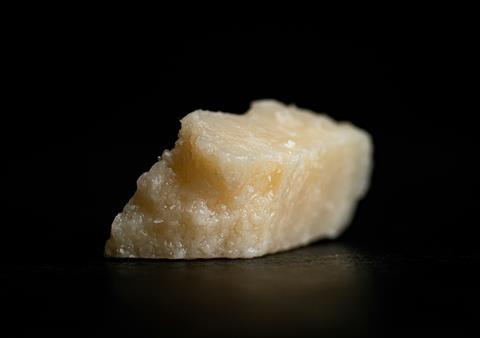
Spermidine is a naturally occurring molecule made by our cells but it is also found in foods such as wheat germ, mushrooms and some aged cheeses such as parmesan and cheddar. Previous studies have suggested it can support cellular maintenance processes that decline with age.
“Many older adults respond well to vaccines,” Alsaleh explains. “But some do not develop strong protection, even after repeated vaccination. Biological ageing of immune cells may be one reason why this happens. Our findings suggest that spermidine could help restore aspects of immune function in this group.”
Other collaborators include researchers from the Oxford Vaccine Group, Drs. Paul Klenerman, Teresa Lambe, and Lucy Jones and Owen B. Spiller from Cardiff University.
Aging and weakened immunity
During the COVID-19 pandemic, it became clear that vaccination is crucial in reducing severe illness and death. However, older adults often produce lower levels of protective antibodies and T-cells following vaccination. This has also been shown with influenza vaccines.
For the study, Simon and her colleagues recruited 40 healthy adults aged 65 and over. Participants received either a daily spermidine supplement of six milligrams or a placebo for 13 weeks following their third COVID-19 vaccination.
They found that about one quarter of participants showed very weak antibody responses despite having received three vaccine doses. These individuals had immune cells with clear signs of biological ageing, including increased DNA damage and markers associated with cellular senescence – the process whereby damaged or ageing cells stop functioning normally and accumulate.
Vaccine induced immunity
But several measures of vaccine induced immunity were substantially improved in vaccine non-responders who also took spermidine supplements; they tended to have higher levels of antibodies against SARS-CoV-2, and better neutralizing activity against multiple viral variants.
The team also found that spermidine reduced markers of immunosenescence and stimulated autophagy, a natural cellular recycling process that helps cells remove damaged components and maintain healthy function. The supplement was found to be safe and well tolerated, with no adverse effects linked to treatment.
“This study was designed as a pilot trial and involved a relatively small number of participants,” says Simon. “Larger studies will be needed to determine whether spermidine can consistently improve vaccine responses and whether similar effects are seen with other vaccines, such as those used against seasonal influenza.”
Topics
- Cardiff University
- COVID-19
- Ghada Alsaleh
- Immunology
- immunosenescence
- Infection Prevention & Control
- Infectious Disease
- Katja Simon
- Lucy Jones
- Max Delbrück Center
- One Health
- Owen J Spiller
- Oxford Vaccine Group
- Paul Klenerman
- Research News
- SARS-CoV-2
- spermidine
- Teresa Lambe
- UK & Rest of Europe
- University of Oxford
- Vaccinology
No comments yet