
A University of Minnesota Medical School research team was awarded a 5-year, $3.8 million grant from the National Institute of Allergy and Infectious Diseases to study early immune responses in the lung and how they influence tuberculosis infection outcomes.
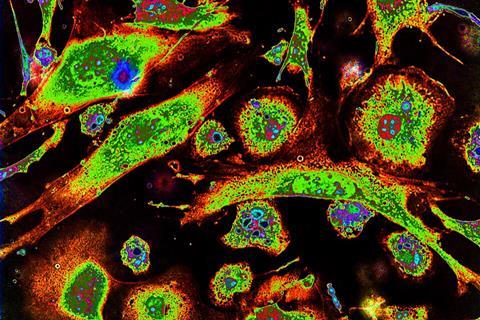
Led by Monica Campo, MD, MPH, a physician-scientist at the University of Minnesota Medical School, the research program focuses on how lung immune cells called macrophages influence the earliest stages of tuberculosis infection.
“Tuberculosis begins in the lung, yet we still know very little about the earliest immune events that determine whether infection is controlled or progresses,” said Dr. Campo, who is also a pulmonary and critical care physician with M Health Fairview. “Our goal is to define macrophage programs associated with protective immune responses in humans. We hope to generate knowledge that can ultimately guide better prevention strategies,”
The study will be conducted through a partnership with the Hennepin County Tuberculosis Clinic. The research team will use advanced laboratory tools to study how individual immune cells in the lungs respond to tuberculosis exposure, with the goal of identifying which types of macrophages help stop infection in its earliest stages.
The study is underway and participant recruitment is expected to begin later this year.


No comments yet