
Phage therapy is entering a decisive phase. After decades of research and a growing number of clinical successes, the question is no longer whether bacteriophages can treat bacterial infections. The challenge now is whether healthcare systems, regulators, industry and clinicians can transform this promising approach into a practical and accessible therapeutic reality.
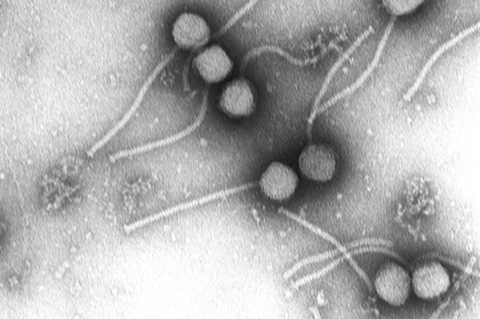
At a time when antimicrobial resistance (AMR) is recognized as one of the greatest threats to global health, international experts will gather at Targeting Phage Therapy 2026 to discuss what is needed to move phage therapy from isolated successes to widespread clinical implementation.
The Questions Journalists, Policymakers and Clinicians Are Asking:
- Can phage therapy move beyond compassionate use and become part of routine healthcare?
- What evidence is still needed to convince regulators and healthcare systems?
- How can personalized phage therapies be delivered rapidly enough for critically ill patients?
- Will phage–antibiotic combinations change the way multidrug-resistant infections are treated?
- Can engineered phages overcome bacterial resistance and expand therapeutic applications?
- How should Europe and other regions regulate individualized biological therapies?
- Who will build the manufacturing and distribution infrastructure needed to make phage therapy widely available?
From discovery to deployment
The congress will feature 56 scientific communications, bringing together experts working at the forefront of clinical translation, personalized phage therapy, phage engineering, manufacturing, regulatory science, One Health applications, hospital implementation and next-generation therapeutic platforms.
Sandra Sevilla, President of Targeting Phage Therapy 2026, said: “Phage therapy has reached a level of scientific maturity that would have seemed impossible only a decade ago. The next challenge is no longer discovery; it is implementation. We must now address regulation, manufacturing, accessibility and clinical integration if we want patients to benefit from these advances. Valencia will bring together the stakeholders who can help turn scientific promise into healthcare reality.”
The program includes internationally recognized leaders from major hospitals, research institutes, regulatory organizations and biotechnology companies. Experts will present real-world experiences from compassionate-use treatments, clinical programs, regulatory initiatives and emerging industrial solutions that are helping shape the future of phage therapy.
A critical moment for healthcare
Antimicrobial resistance continues to threaten the effectiveness of modern medicine, from intensive care and transplantation to cancer treatment and routine surgery.
Phage therapy represents one of the most promising biological alternatives, but scientific progress alone will not determine its success.
“Phage therapy has reached a level of scientific maturity that would have seemed impossible only a decade ago. The next challenge is no longer discovery; it is implementation. We must now address regulation, manufacturing, accessibility and clinical integration if we want patients to benefit from these advances. Valencia will bring together the stakeholders who can help turn scientific promise into healthcare reality,” stated the scientific Committee.
As the field enters this new phase, one central question remains: Will the future of phage therapy be determined by scientific progress alone or by our collective ability to translate that progress into real-world healthcare solutions?
Targeting Phage Therapy 2026 is supported by: LXBio and Delta G Avaris.




No comments yet