
All Strategies for Sustainability articles – Page 3
-
 News
NewsData from Earth’s most remote atoll show soil fungi are key to island regeneration
Palmyra Atoll, a remote, uninhabited speck of land, coral and sea halfway between Hawaiʻi and American Samoa, is one of the healthiest, intact atolls on the planet—so ecologically sensitive that visiting researchers freeze their clothes at night to kill invasive species. Source: NASA NLT Landsat 7 (Visible Color) ...
-
 News
NewsHemp waste biocomposites offer a lower-carbon alternative for packaging and agricultural films
A new study explores how hemp hurd can be converted into microfiber-based biocomposites for packaging films and agricultural mulch films, and shows anaerobic digestion delivers the best environmental outcome for hemp hurd-based bioplastic systems.
-
 Careers
From microbial processes to biofilm control: our interview with LAM deputy editor Marciane Magnani
We catch up with food microbiologist Professor Marciane Magnani of the Federal University of Paraíba in Brazil who has just been appointed as a Deputy Editor of Letters in Applied Microbiology.
-
 News
NewsCosmetics from waste? New microbial discovery could enable more sustainable production of high-value chemical products
Researchers have made a key discovery about how certain bacterial strains produce a set of economically valuable chemicals — opening the door to new, more sustainable production methods. A family of molecules could be made via bacterial fermentation instead of from palm oil, as they are today.
-
 News
NewsIs asphalt bad for our health? And can algae help?
Scientists studying how asphalt emissions impact respiratory health are also working on less toxic, lower-emitting asphalt formulations. One project involves growing a strain of algae that could reduce VOC emissions using wastewater from a treatment plant.
-
 News
NewsNew lactic acid bacteria for plant-based yogurt alternatives
Researchers find that a particular type of lactic acid bacteria has considerable potential for producing plant-based yoghurt alternatives. The bacteria inhibit potentially harmful bacteria and break down sugars that can cause stomach discomfort.
-
 News
NewsWorld-first shoe made entirely from pure mycelium unveiled at Milan Design Week
A prototype shoe made entirely from pure mycelium, the root-like network of fungi, will debut at Milan Design Week. The project is a collaboration between researcher and designer Lars Dittrich of Vrije Universiteit Brussel and head shoemaker Marie De Ryck at La Monnaie/De Munt.
-
 News
NewsThe giants of the reef: New citizen science project races to document centennial corals
Coral reefs hide “scientific treasures” that have survived for centuries, yet many of these giant, ancient organisms remain largely unknown to science. A new study introduces a pioneering citizen-science initiative to find these giant coral colonies before they are lost to escalating global pressures.
-
 News
NewsResearchers synthesize photosynthetic molecule found in bacteria
Researchers have successfully synthesized bacteriochlorophyll a, a photosynthetic pigment found in bacteria which absorbs infrared light. The work represents the first chemical synthesis of this molecule and could give scientists deeper insights into photosynthetic function and photosynthetic energy.
-
 News
NewsNative bacteria may break down dioxins without genetic modification
Researchers have demonstrated that native soil bacteria, when treated with decoy molecules, can degrade non-native compounds, including persistent pollutants such as dioxins, without genetic modification.
-
 News
NewsEnzyme produced by fungus may replace chemicals in the paper industry
Fungal xylanase can be obtained by cultivating the microorganism in sugarcane bagasse or wheat bran. The solution is a non-polluting alternative for bleaching cellulose pulp, which currently uses a toxic chemical.
-
 News
NewsEngineered bacteria unlock seaweed potential: dual enzyme system enables complete alginate depolymerization
A research team has heterologously expressed alyB and alyD genes from the marine bacterium Vibrio algivorus in C. glutamicum, an industrial workhorse traditionally used for amino acid production.
-
 News
NewsScientists reveal the potential of a tiny soil bacterium to beat the Haber-Bosch process
A new review finds that biological ammonia production offers strong potential as a cleaner, greener alternative to the costly Haber-Bosch process. Microbes such as Azotobacter can produce ammonia under ambient conditions and atmospheric pressure.
-
 News
NewsTurning algae waste into powerful filters: New biochar membranes clean wastewater more efficiently
A new study has developed a sustainable filtration technology that transforms microalgae waste into high-performance membranes capable of removing pollutants and bacteria from wastewater. The innovation could offer a greener and more efficient solution for municipal water treatment.
-
 News
NewsDegraded soils can regain microbial diversity with soil microbiome transplants
Scientists have discovered that degraded soils can regain their microbial diversity by combining soil microbiome transplants with artificial humic acid amendments.
-
 News
NewsNew antibiotic alternative fights foodborne salmonella
Researchers have discovered a safe and highly effective natural virus that functions like a precision-guided missile, capable of eliminating harmful Salmonella on various foods and packaging materials, showing great potential as a novel guardian for food safety.
-
 News
NewsUnlocking the phosphorus puzzle: How microplastics and hydrochar change the way rice paddies feed
A fresh look at the soil microbiome reveals that the key to freeing up phosphorus locked away in the ground relies heavily on the type of carbon we add, whether that is treated animal waste or, surprisingly, synthetic plastic pollution.
-
 News
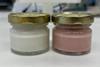
News Natural dye produced by Amazonian fungus can be used in cosmetics
A red extract made from Talaromyces amestolkiae was tested in the bases of potential products, including face cream, shampoo, and gel sticks, for its antioxidant and antibacterial properties.
-
 News
NewsLower tillage boosts the soil’s natural phosphorus cycle - cutting the need for costly fertilizer inputs
Long-term tillage reduction helps to restore the soil’s natural phosphorus cycle, supporting more sustainable nutrient management with less reliance on costly and finite fertilizer inputs, according to a new study published in Sustainable Microbiology.
-
 News
NewsWebinar: What does it mean when environmental microbiomes are described as resilient?
Environmental microbiomes are often described as ‘resilient’ - but what does that even mean? A free upcoming webinar and coffee hour delivered by Dr Ashley Shade, as part of the Microbes and Social Equity 2026 Speaker Series, aims to find out.