
All Vaccinology articles – Page 7
-
 News
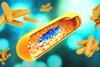
NewsScientists develop therapeutic, nasally delivered DNA vaccine for tuberculosis
Research shows the vaccine — in combination with drug therapy — accelerated a relapse-free TB cure in mice, improved activity of a drug-resistant TB regimen and stimulated immune responses in nonhuman primates.
-
 News
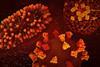
NewsNew vaccine strategy could help extend immunity against evolving viruses
Researchers have identified a possible way to make longer lasting vaccines for respiratory viruses like influenza and the coronavirus that causes COVID-19.
-
 Features
Can we make a vaccine against the next Disease X in 100 days?
The COVID-19 pandemic was one of the deadliest events in modern history. Estimated to have killed over 25 million people worldwide and caused trillions of dollars in economic damage, the devastation caused by this virus was both astronomical and unforgettable.
-
 News
NewsWhy is vaccination for target populations plummeting in the UK? Share your insights!
As a group of leading UK health experts launches a new Commission on Access to Vaccines to understand why access levels are falling across the UK, Applied Microbiology International is calling on members to share their insights on childhood vaccinations.
-
 News
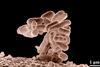
NewsTracking bacteria’s protective armor could help find targeted vaccine targets
The first large-scale genetic study of E. coli’s protective armour has identified the five capsule types that are responsible for 70 per cent of all multidrug-resistant bloodstream infections in Europe.
-
 News
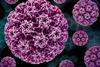
NewsHPV vaccination uptake in adults shaped by knowledge and medical advice
A nationwide survey of HPV uptake in Switzerland found just over 27% of the approximately 3,850 adults aged 18 to 45 surveyed had received at least one dose of the vaccine. While nearly 59% of those aged 18 to 26 are vaccinated, the rate drops to around 16% among those aged 27 to 45.
-
 News
NewsHealth experts from a new Commission call for a step change in vaccine access as coverage falls and potentially preventable outbreaks return
A group of leading UK health experts have today announced that they will be launching the Commission on Access to Vaccines to understand why access levels are falling across the UK and to recommend practical measures to reform vaccine delivery across the health system.
-
 News
NewsWHO recommends new diagnostic tools to help end TB
On World TB Day, WHO is urging countries to accelerate action to end tuberculosis (TB) and expand access to lifesaving services by using new innovations such as diagnostic tests that can be used near the point-of-care and tongue swabs that can help detect the disease faster.
-
 News
NewsHKU innovations achieve recognition at the 51st International Exhibition of Inventions at Geneva
The University of Hong Kong (HKU) secured 46 awards at the 51st International Exhibition of Inventions of Geneva, including recognition for a project aiming to gain immunity against the three major respiratory viruses through home-based toothbrushing.
-
 News
NewsFrequent infections in nursery help toddlers build up immune systems
Young children who attend nursery get sick more often than those who don’t, but they will go on to have fewer illnesses during early school years, finds a new review of evidence by a group of parent-scientists.
-
 News
NewsTargeting two flu proteins sharply reduces airborne spread
A study in ferrets — which have remarkably similar respiratory systems to humans — suggests that immunity to two proteins in the H1N1 influenza virus sharply reduces transmission.
-
 News
NewsHow one flu virus can hamper the immune response to another
Prior exposure to one strain of influenza virus may weaken children’s ability to mount an effective antibody response against their subsequent exposure to a different flu strain, according to a study.
-
 News
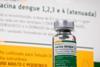
NewsDengue vaccine remains 80.5% effective against severe cases after five years
The tetravalent dengue vaccine was 80.5% effective against severe dengue cases with warning signs over a five-year period. Overall, the vaccine was 65% effective in preventing symptomatic dengue (caused by any serotype) during the five years of monitoring.
-
 News
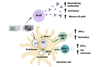
NewsBuilding protection against infectious diseases with nanostructured vaccines
Researchers have leveraged a recently developed highly versatile DNA origami nanotechnology that is both vaccine and adjuvant, named DoriVac, as an alternative to current vaccine platforms.
-
 News
NewsStudy finds natural fungal supplement improves COVID-19 vaccine response
Researchers have found that a natural fungal supplement taken at the time of COVID-19 vaccination reduced short-term vaccine side effects and helped antibodies last longer in people who had not previously been exposed to the virus.
-
 News
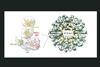
NewsNanoparticle vaccine approach takes on a new target: Hepatitis C virus
Scientists have engineered a native-like, stabilized version of Hepatitis C virus’s E1E2 complex and used it to build a nanoparticle-based vaccine candidate. It uses a technology called self-assembling protein nanoparticles, which organizes copies of the proteins into virus-like clusters that the immune system can recognize.
-
 News
NewsStudy reveals immune blueprint for next-generation malaria vaccine
New research has uncovered how the human immune system fights Plasmodium vivax, paving the way for the first effective vaccine against the most widespread form of malaria. It provides critical evidence of how protective immunity to P. vivax works, identifying specific targets on the parasite.
-
 News
NewsHPV vaccination provides “sustained protection” against cervical cancer
Human papillomavirus (HPV) vaccination is associated with a significantly reduced risk of invasive cervical cancer, with no indication of waning protection up to 18 years after vaccination, finds a study.
-
 News
NewsVaccine uptake: Why conspiracy theories can be so irresistible
New research has found that understanding how someone processes information can be a strong predictor of whether they are drawn to conspiracy beliefs that can influence vaccine uptake, trust in institutions and responses to emergencies.
-
 News
NewsMeningococcal B vaccination does not reduce gonorrhoea, trial results show
Contrary to existing evidence from observational studies, the meningococcal B vaccine (4CMenB) has no effect on preventing the acquisition of gonorrhoea, according to the results of the world’s largest randomised control trial (RCT) into possible efficacy.