
All Vaccinology articles – Page 2
-
 News
NewsYeast‑derived universal flu vaccine could someday replace yearly injections
Engineered baker’s yeast produces virus-like particles that protect mice against multiple influenza strains.
-
 News
NewsWhy immune responses to vaccines vary from person to person
A new study finds that past immune encounters may predict future vaccine response.
-
 News
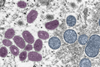
NewsToo much RNA can starve cells of energy
Researchers uncover a link between excess RNA and mitochondrial damage — revealing new insights into viral infections, aging and RNA-based therapeutics.
-
 News
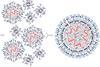
NewsNext-gen mRNA therapeutics get a new delivery vehicle
Researchers have developed a novel way of delivering circular RNA into cells, paving way for long-lasting mRNA-based therapeutics including cancer vaccines and obesity treatments.
-
 News
NewsClimate change predicted to drive changes in diarrheal disease prevalence in several countries in Africa
Researchers have identified key social and environmental factors that influence how climate change affects childhood diarrheal diseases in sub-Saharan Africa.
-
 News
NewsPreventing the accumulation of mRNA-loaded lipid nanoparticles in the liver
New research has developed a novel coating agent that prevents lipid nanoparticles from accumulating in the liver—a major practical challenge when using lipid nanoparticles in vaccines and immunotherapies.
-
 News
NewsPre-existing antibodies linked to different immune responses after influenza vaccination
New study highlights how previous exposure to influenza viruses and vaccines can leave behind pre-existing antibodies, which may influence how the immune system responds to later vaccination.
-
 News
NewsStable RNA elements open new possibilities for mRNA therapeutics
New research has discovered compact viral RNA elements that can make mRNA more stable, and could provide a simple way to develop longer-lasting and more efficient mRNA technologies for vaccines and other RNA-based therapeutics.
-
 News
NewsVanderbilt health evaluating vaccine for C. difficile for people 65 and older
Investigators are enrolling participants in a Phase 3 clinical trial testing an investigational vaccine against Clostridioides difficile, a contagious bacterial infection of the colon.
-
 News
NewsCould preventing shingles also help prevent dementia?
A new study finds that older adults who received a shingles vaccine had a 24% lower risk of developing dementia over four years. The findings add to growing evidence that preventing shingles may also protect against neurological disease.
-
 News
NewsReddit reveals what pregnant women really want to know about the Tdap vaccine
An analysis of Reddit posts about the maternal Tdap vaccine made by pregnant women reveals expectant mothers turning to Reddit to seek advice and reassurance—with fewer outright instances of vaccine hesitation/refusal than has generally been observed for other types of vaccines, according to a study published on August 12, 2026 ...
-
 News
NewsLab identifies gap in malaria vaccines, added peptides can strengthen response
The two vaccines in use today rally the immune system against a single region of the malaria parasite. A new study finds that adding short peptides for two overlooked regions broadens the response and strengthens protection.
-
 News
NewsMeningococcal B vaccine linked to lower gonorrhoea risk
The meningococcal B vaccine could provide protection against more than one disease, with new research linking it to a significant reduction in the risk of gonorrhoea in young people in Australia.
-
 News
NewsNew vaccine strategy protects against chikungunya and could become a platform for combating other diseases
Researchers created a genetically modified version of the Chikungunya virus that replicates only once, yet still trains the immune system to defend itself without causing disease.
-
 News
NewsHow do vaccine conspiracy beliefs develop?
Researchers analyzed five years of longitudinal panel survey data collected between 2020 and 2024 and examined how vaccine-related conspiracy beliefs were associated with media skepticism during the COVID-19 pandemic.
-
 News
NewsHow does a deadly chicken virus escape vaccines designed to slow it?
A new genome-wide study of the Marek’s disease virus identified 10 regions in the genome associated with what makes certain strains more virulent, and could inform next-generation vaccines.
-
 News
NewsHighly reliable LFIA based on selenium nanoparticle reveals long-term real-world dynamics of neutralizing antibodies against SARS-CoV-2
SDS modified selenium nanoparticles enable reliable lateral flow immunoassay, showing that neurological and hematological patients lose vaccine induced immunity much faster.
-
 News
NewsElephant vaccine shows first signs of protection against deadly virus
Scientists have published the first peer-reviewed evidence that an experimental mRNA vaccine may help protect young Asian elephants from elephant endotheliotropic herpesvirus, one of the deadliest diseases facing the species.
-
 News
NewsIs the licensed Zaire ebolavirus vaccine suitable to combat the current Bundibugyo ebolavirus outbreak?
Researchers provide evidence of possible cross-protection through an already licensed Zaire ebolavirus vaccine.
-
 News
NewsCOVID-19 vaccines remain effective despite helminth-induced immune modulation
In a preclinical study, researchers have found that mRNA- and protein-based SARS-CoV-2 vaccines effectively protected Schistosoma-infected mice against the virus, despite the mice’s distinct immune response profiles.