
All Vaccinology articles
-
 News
NewsFirst-of-its-kind preventative phage therapy provides promising results
The mammalian gut microbiome is teeming with a delicate balance of bacteria and the phages that keep them in check. What if the phages in the gut could prepare for an orally ingested pathogen and strike it down as it enters the gut, negating the need for a battle?
-
 News
NewsStudy supports effectiveness of RSV preventive antibody treatments for infants and provides new way to monitor viral resistance
An analysis of more than 60,000 respiratory syncytial virus (RSV) sequences from around the world found that viral variants associated with resistance to current RSV prevention tools remain rare, according to a study.
-
 News
NewsStudy uncovers how mRNA vaccination may broaden flu antibody responses
A new study finds that mRNA vaccination sustained influenza-specific germinal-center activity for up to six months in some participants.
-
 News
NewsWhat low vaccination rates in the US could mean for flu season 2026
Experts reveal what to expect this flu season, when to get the flu shot, how to recognize flu symptoms, how to treat it, and what the newly approved mRNA flu vaccine means for the public.
-
 News
NewsAMI welcomes new member to its Board of Trustees
Applied Microbiology International has welcomed Professor Les Baillie as the latest member of its Board of Trustees. We also bid a fond farewell and thank you to Professor Diane Purchase who is leaving the Board.
-
 News
NewsResearchers discover highly potent compound that blocks Ebola virus entry
A research team has discovered a highly potent small molecule that blocks Ebola virus entry by stabilizing the virus’s entry protein and provides strong protection when given orally in a preclinical model. It is more than 100 times more potent than previously reported Ebola entry inhibitors.
-
 News
NewsEngineering bacterial surfaces with glucan nanofilms creates a potent vaccine platform against invasive fungal infections
A research team has developed a synthetic bacterium-based vaccine platform that uses engineered bacterial surfaces to assemble glucan nanofilms for enhanced antifungal immunity against pathogens such as Candida albicans.
-
 News
NewsVaccine protects against multiple fungal infections without hurting the gut
A vaccine created to battle multiple life-threatening fungal infections is successful in achieving protective immunity in pre-clinical animal models while also maintaining the biodiversity of the gut microbiome, according to a new study.
-
 News
NewsFaster diagnostics, deeper insights: Researchers strengthen response to Ebola outbreaks
Two studies provide important insights into the challenges of responding to outbreaks - one demonstrates how diagnostic tests can be evaluated rapidly during an outbreak; the other investigates the biological properties of the 2026 BDBV strain and whether an existing Ebola vaccine could offer cross-protection.
-
 News
NewsShould adults with autoimmune rheumatic conditions receive updated COVID-19 vaccines?
Adults with autoimmune rheumatic conditions who developed COVID-19 and received booster or updated (2023-2024) COVID-19 vaccines were less likely to be hospitalized for COVID-19 compared to those who received only the initial series vaccines or who were unvaccinated.
-
 News
NewsHigh-dose flu vaccine beneficial for older people with lung disease
The risk of being hospitalised for flu or pneumonia can be reduced with a high-dose flu vaccine for older people with chronic lung disease, according to the combined results of two large clinical trials.
-
 News
NewsHaving COVID-19 is associated with lower subsequent development of type 1 diabetes among those aged under 30 years
New research shows that people who have had COVID-19 have a lower, rather than higher, risk of subsequent development of type 1 diabetes (T1D). Furthermore, the effect is evident only in people who did not receive the SARS-CoV-2 vaccine.
-
 News
NewsMeningitis, hangover or freshers’ flu? Don’t dismiss serious symptoms
Students heading into freshers’ week are being warned not to assume a headache, vomiting or feeling wiped out is simply the result of a heavy night or the dreaded “freshers’ flu”. 246,089 doses of the MenB vaccine were administered to young people in England between 20 July and 31 August.
-
 News
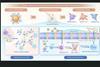
NewsMosaic nanoparticles deliver broad-spectrum mucosal protection against diverse coronaviruses
Researchers have developed a novel “mosaic” nanoparticle vaccine platform that successfully penetrates the mucus barrier to deliver broad-spectrum mucosal protection against a diverse array of coronaviruses, including highly evasive SARS-like and MERS-like strains.
-
 News
NewsGerontological Society of America supports new immunization guidance
The Gerontological Society of America (GSA) supports the 2026-27 respiratory season vaccine evidence review released by the Vaccine Integrity Project (VIP) in collaboration with the American Medical Association.
-
 News
NewsThe push to understand and treat HPV
Karl Munger is helping to lead an effort at Tufts University and Tufts Medicine that brings research scientists together with clinicians to save lives through improved HPV care and research.
-
 News
NewsNew design strategy expands nanoparticle vaccine approach to influenza viruses
Research scientists have developed a blueprint for stabilizing key influenza proteins and using them to make next-generation vaccine candidates.
-
 News
NewsPediatric investigation review emphasizes the evolving landscape of pediatric enterovirus infections
A review article highlights how rapid viral evolution of enteroviruses combined with shifting dominant strains and antigenic variation present a major obstacle to EV prevention and control in children.
-
 News
NewsT cells are a powerful force against Zika virus
Scientists tested two Zika vaccines in a study that brings them one step closer to a “pan-orthoflavivirus vaccine”, which could teach T cells to fight several viruses at once.
-
 News
NewsEpidemiologist discusses Pennsylvania’s first measles deaths in 35 years
Epidemiologist Jennifer Horney highlights the importance of vaccinations after the deaths of two Pennsylvania residents – the first measles deaths in the state in 35 years.