
All Asia & Oceania articles – Page 17
-
 News
NewsResearchers link human molecular, microbial diversity with geography, ethnicity
Researchers at the Stanford School of Medicine have found that ethnicity and geography may influence human molecular makeup — from metabolism and immunity to gut microbiota and biological aging. The findings, which published in Cell on May 14, illuminate the complex interplay between genetics and the environment, ...
-
 News
NewsAI and supercomputer simulations reveal how a bacterial energy-converting enzyme pumps sodium ions
The Na+-NQR enzyme is vital for energy production in pathogenic bacteria, making it a highly promising target for new antibiotics. Researchers combined modified artificial intelligence techniques with extensive supercomputer simulations to visualize the hidden, dynamic movements of this enzyme during sodium transport.
-
 News
NewsImplantable living materials autonomously deliver therapeutics using contained engineered bacteria
Researchers have introduced an implantable “living material” that contains bacteria that sense infections. It can release these therapeutic molecules on demand, while keeping them physically separated from the surrounding tissue.
-
 News
NewsResearchers develop experimentally validated AI model to predict the virulence of tomato yellow leaf curl virus
A research team has developed DeepTYLCV, an accurate and interpretable artificial intelligence model for predicting the virulence of Tomato Yellow Leaf Curl Virus (TYLCV). DeepTYLCV uses viral genome-derived sequence information, enabling the model to identify mild and severe strains before symptom-based confirmation.
-
 News
NewsBacteria may hold a cancer treatment clue
A review argues that tumors with reproducibly poor prognosis outcomes may share an overlooked feature: bacterial infection within the tumor microenvironment. These bacteria may weaken treatment by altering local immunity, damaging tissue structure, and even inactivating chemotherapeutic drugs.
-
 News
NewsInfluenza virus platforms: New hope for vaccines and cancer immunotherapy
Influenza virus is now being engineered to carry foreign genes and reduce virulence, serving not only for next-generation influenza vaccines but also as delivery vectors for heterologous antigens against other infections and cancers, supported by its ability to trigger robust mucosal and systemic immune responses.
-
 News
NewsIgG fucosylation linked to severe COVID-19 progression and traditional Chinese medicine therapy
A new study has uncovered that immunoglobulin G (IgG) fucosylation, a critical type of protein glycosylation, is closely associated with the progression of severe COVID-19, offering new insights into disease pathogenesis and potential therapeutic strategies.
-
 News
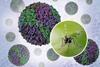
NewsTraditional dengue alerts are missing the mark as Vietnam’s climate shifts—researchers propose a one health solution
For decades, Vietnam’s dengue surveillance relied on a straightforward logic: when cases exceed the five-year average by a sufficient margin, sound the alarm. That logic is now breaking down.
-
 News
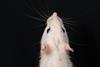
NewsProbiotic Lactobacillus rhamnosus CMU-pb-7 shows promise in alleviating diabetic nephropathy via antioxidative pathway
Rats with diabetic nephropathy treated with the probiotic strain Lactobacillus rhamnosus CMU-pb-7 showed marked improvements in general condition and serum biochemical profiles, including significant reductions in cholesterol, triglycerides, blood urea nitrogen, and serum creatinine.
-
 News
NewsStudy quantifies the staggering economic toll of TB
Researchers have found that TB wipes out an estimated 0.8 per cent of the world’s total economic potential every year. Losses are concentrated overwhelmingly in low- and middle-income countries, especially in South Asia and sub-Saharan Africa.
-
 News
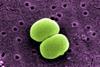
NewsFriendly skin bacteria offer hope to beat eczema
Friendly skin bacteria could hold the key to stopping eczema in its tracks, according to researchers. A new study reveals harmless microbes living on our skin release powerful molecules that can shut down the inflammatory chaos triggered by Staphylococcus aureus, the bug long known to wreak havoc in eczema.
-
 News
NewsExperts call on WHO to revisit its approach to airborne risk in light of hantavirus outbreak
In light of the hantavirus outbreak, public health experts have called on the World Health Organization (WHO) to shift its default response to emerging respiratory viruses. The starting point should not be to downplay the risk of airborne transmission until it is definitively proven, they warned.
-
 News
NewsMarine-inspired sunscreen ingredient made by E. coli
Researchers have engineered microbial “cell factories” to sustainably produce the UV-protective compound gadusol, which could eventually serve as a sunscreen ingredient and an antioxidant additive. Gadusol, found in the eggs of various fish and other marine organisms, helps protect against ultraviolet damage.
-
 News
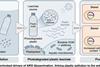
NewsSunlight and PVC pipes create a hidden driver of antibiotic resistance
New research shows that chemicals leaching from everyday PVC—especially after exposure to sunlight—can dramatically speed up the spread of resistance genes between bacteria. The effect was strongest at low to moderate concentrations, where the leachate triggered bacterial stress responses without killing the microbes.
-
 News
NewsThe hunt for red: Chromatin-mediated upregulation of Monascus pigments in Talaromyces purpurogenus OUCMDZ-019 via disruption of Ash2
The industrial application of Monascus pigments has been hindered by three key bottlenecks: unstable yield, poor environmental stability, and the risk of contamination by citrinin. Researchers adopted an epigenetic derepression strategy to unlock the hidden biosynthetic potential of MPs in Talaromyces purpurogenus OUCMDZ-019.
-
 News
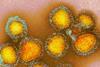
NewsFlu signals in wastewater offer an early warning for community outbreaks
A research team has demonstrated that measuring influenza viral RNA in wastewater can be used to estimate community influenza incidence. The approach may help identify outbreak trends about one week earlier than publicly available patient report data.
-
 News
NewsTiny molecules unlock big gains in soil health
By adding lignin- and humus-based small molecules (LSMs and HSMs) to straw-amended soils, researchers observed remarkable gains in the formation of stable mineral- and particulate-associated carbon, driven by shifts in microbial communities and enhanced cross-trophic interactions.
-
 News
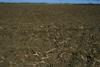
NewsNo-till, new rules: Soil microbes thrive in conservation farming
Long-term conservation tillage (CT) is transforming the way soil microbes responsible for nitrogen fixation behave and interact. Compared to conventional tillage, CT fosters a less competitive yet more robust microbial ecosystem, with soil depth and nitrogen levels playing pivotal roles.
-
 News
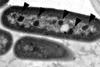
NewsResearchers develop microalgae that photosynthetically produce and secrete biofuel precursors
A research group has developed cyanobacterial strains that produce free fatty acids (FFAs) and secrete them into the culture medium. FFAs are important precursor materials for sustainable aviation fuel and diesel fuel alternatives.
-
 News
NewsNo refrigeration needed for killer disease vaccine
Malaria kills more than half a million people every year, but a new vaccine is showing promise as it not only offers long-lasting strong protection but also inhibits transmission of malaria by mosquitos. The vaccine is predicted to be low cost and its cold-chain independence strongly enhances its deployability.