
All Asia & Oceania articles – Page 19
-
 News
NewsResearchers advance phage therapy in fight against antimicrobial resistance
Scientists have uncovered how Mycobacterium abscessus can evade bacteriophage therapy, and demonstrated a combination strategy to overcome this resistance, offering a pathway towards more effective and durable treatments.
-
 News
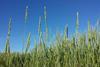
NewsNovel wheat hybrids increase resistance to major fungal disease by up to 70%
A new experimental study has identified a novel genetic locus in a common agricultural weed that provides significant resistance to Fusarium Head Blight (FHB) and has now been successfully transferred into wheat to produce FHB resistant hybrids.
-
 News
NewsProviding food baskets to people with tuberculosis is cost-effective and could avert over 100,000 deaths annually in India
Undernutrition is the single greatest modifiable risk factor for tuberculosis (TB). Researchers found that providing food baskets to people with TB and their households may save tens of thousands of lives annually in India if implemented at scale.
-
 News
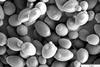
NewsWith large DNA fragment assembly, scientists can design microbes that produce countless complex products
A review demonstrates that scientists can now reliably build and combine very large pieces of DNA, making it much easier to redesign microbes such as yeast and bacteria to act as efficient “cell factories.”
-
 News
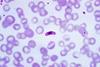
NewsCan new research findings help overcome challenges to malaria treatment?
A new study may help overcome challenges to the treatment of malaria. The research is based on a strategy that targets an enzyme specific to the parasite, Falcipain-2 (FP2), which is essential for parasite survival and growth within the host.
-
 News
News‘Living plastic’ activates and self-destructs on command
Living plastics that self-destruct on command incorporate activatable, plastic-degrading microbes alongside the polymers. The latest study used two bacterial strains that worked together and completely broke down the material within just six days, without making microplastics.
-
 News
NewsUncovered: An organelle that powers the methane machine in livestock
Researchers have uncovered a driver of methane emissions in livestock: a newly identified organelle, the hydrogenobody, which fuels methane production in the guts of livestock.
-
 News
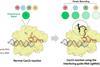
NewsStudy identifies multiple viruses and variants simultaneously by controlling the “speed” of CRISPR gene scissors
Scientists have developed a new diagnostic technology that simultaneously identifies various viruses and variants by controlling the “speed” of gene scissors.
-
 News
NewsHow does oligochitosan induce plant resistance against potato virus Y?
Plant immune inducers are crucial tools for the green management of crop diseases. As an environmentally friendly biological inducer, oligochitosan (COS) can activate plant defense mechanisms to resist pathogens such as fungi, bacteria, and viruses. Source: Florida Division of Plant Industry , Florida Department of Agriculture and Consumer ...
-
 News
NewsCan rhizobacterial metabolites enhance plant drought tolerance?
A study shows that lettuce plants inoculated with PGPR strains exhibited significantly higher survival rates and better fresh weight recovery after drought stress compared to the uninoculated control group.
-
 News
NewsFrom gut to brain: scientists engineer bacteria to treat severe liver-related brain dysfunction
In vivo studies showed that programmable “living medicines” could reduce brain toxins and prevent neurological symptoms of hepatic encephalopathy, offering distinct advantages over a widely prescribed antibiotic.
-
 News
NewsNew study suggests seasonal flu vaccines may reduce severity of H5N1 bird flu infections
Researchers have found that seasonal influenza vaccines in routine global use may significantly reduce the risk of death from H5N1 infection. The findings that readily available tools may offer protection while the world races to develop more targeted solutions.
-
 News
NewsTracking a persistent threat: How antibiotic-resistant bacteria travel from poultry farms to fresh produce
A new study develops an integrated quantitative microbial risk assessment (QMRA) model to trace the pathway of ESBL-producing E. coli from broiler farms to lettuce consumption, quantifying human health risks and identifying effective intervention strategies.
-
 News
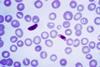
NewsPlasmodium uses its own PI3K to suppress eat-me signal and evade host immune clearance
A study finds that Plasmodium PI3K actively suppresses the externalization of phosphatidylserine on the surface of infected erythrocytes. When the activity of parasite PI3K was chemically inhibited or genetically disrupted, phosphatidylserine exposure on infected red blood cells increased markedly.
-
 News
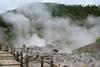
NewsSelf‑replicating circular RNA persists in extreme environments: Insights from hot spring microbiomes
Researchers who previously identified a highly unusual RNA virus in a high-temperature hot spring ecosystem searched for distinct types of self-replicating RNAs in a similar extreme environment, and a novel circular RNA replicon was identified within the microbial community inhabiting the hot spring.
-
 News
NewsTibet’s thawing lakes accelerate greenhouse gas release
Lakes on the Tibetan Plateau are undergoing a dramatic transformation; once stable carbon sinks, they are rapidly becoming significant sources of greenhouse gases due to climate warming.
-
 News
NewsBeyond outbreaks: zoonotic disease prevention at the human–animal interface in China
A study synthesizes evidence on 93 zoonotic diseases currently monitored by China’s public health, agricultural, and forestry sectors, and argues that meaningful risk reduction will require shifting from reactive outbreak response toward earlier prevention at the human–animal–environment interface.
-
 News
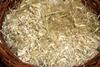
NewsHemp waste biocomposites offer a lower-carbon alternative for packaging and agricultural films
A new study explores how hemp hurd can be converted into microfiber-based biocomposites for packaging films and agricultural mulch films, and shows anaerobic digestion delivers the best environmental outcome for hemp hurd-based bioplastic systems.
-
 News
NewsKnowledge gaps expose vulnerable populations to tick-borne disease risks in northern China
While awareness of tick biology is relatively high in Northeast China and Inner Mongolia, a new study reveals alarming gaps in public knowledge about preventing tick-borne diseases—with rural residents and high-risk groups paradoxically showing the lowest protective awareness.
-
 News
NewsThe brain–gut health initiative: A pioneering effort in psychiatric research
Researchers analyze brain imaging data, microbiome profiles, and clinical assessments to identify biomarkers for precision mental healthcare. The Brain–Gut Health Initiative is an ongoing long-term clinical study designed to investigate how interactions between the brain and gut microbiome contribute to psychiatric disorders.