
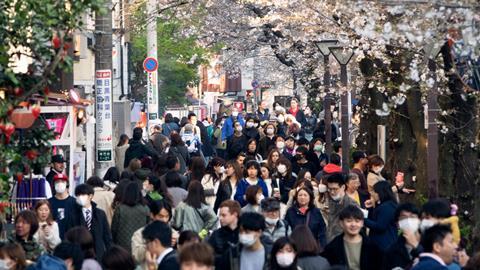
Multiple global pandemics over the past century – the Spanish influenza (1918), Asian influenza (1957), Hong Kong influenza (1968), H1N1 influenza (2009), and COVID‑19 (since 2019) – have increasingly underscored the necessity for healthcare systems worldwide to be resilient, rapidly responsive, and forward‑facing.
Introduction
Influenza viruses and coronaviruses remain major threats; however, emerging pathogens such as Nipah virus, Ebola virus, and even artificially modified biological agents pose additional risks. Factors that accelerate pandemics include globalization, urbanization, climate change, and misinformation. Rapid international travel enables the swift global spread of diseases, while increased urban density facilitates transmission. Environmental changes associated with climate change further elevate the risk of mosquito‑borne diseases and zoonotic spillover events.
The next pandemic could overwhelm healthcare systems by causing shortages of hospital beds, intensive care units (ICUs), ventilators, and healthcare workers. High mortality rates can destabilize societies, while prolonged lockdowns may severely affect mental health, education, and economic activity. Disruptions to supply chains can restrict access to vaccines and medicines, thereby exacerbating global inequities.
This commentary aims to clarify the clinical aspects of pandemics and to examine the measures needed to prepare for future pandemics.
Want the latest news straight to your inbox? Sign up for our monthly In the Loop newsletter here
Microbiological factors that may cause the next pandemic
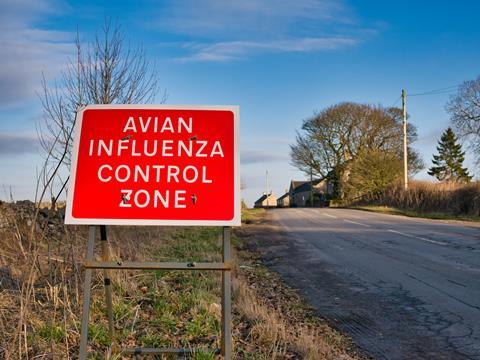
Most diseases identified as pandemics to date have been acute respiratory infections, although other infectious diseases have the potential to cause pandemics. Based on past experience, a typical pandemic occurs when an animal‑derived influenza virus - such as avian influenza - mutates and acquires the ability for sustained human‑to‑human transmission.
Currently, sporadic reports worldwide have documented the transmission of highly pathogenic H5N1 avian influenza virus from birds to humans, as well as to mammals such as cattle. Although efficient human‑to‑human transmission has not yet been confirmed, its emergence could lead to a new pandemic.
Coronaviruses have repeatedly caused outbreaks with major societal impact, as demonstrated by Severe Acute Respiratory Syndrome (SARS), Middle East Respiratory Syndrome (MERS), and, more recently, COVID‑19. These experiences indicate that coronaviruses possess an extremely high potential to cause pandemics.
Other candidate pathogens include enteroviruses, paramyxoviruses such as Nipah virus, and filoviruses such as Ebola virus, all of which have caused outbreaks at least at the regional level. Additionally, the use of artificially modified pathogens constitutes a potential threat. Intensification of human activity has increased the risk of spillover from other species, raising the possibility of major outbreaks caused by previously unknown viruses.
Social factors increasing the risk of the next pandemic
The emergence and spread of future pandemics are closely linked to various social factors. During the Age of Discovery, infectious diseases such as syphilis spread worldwide. In the modern era, infectious diseases can spread at unprecedented speed; the time from the first detected case to a pandemic has become extremely short due to advances in transportation and logistics that enable global movement of people and goods by air.
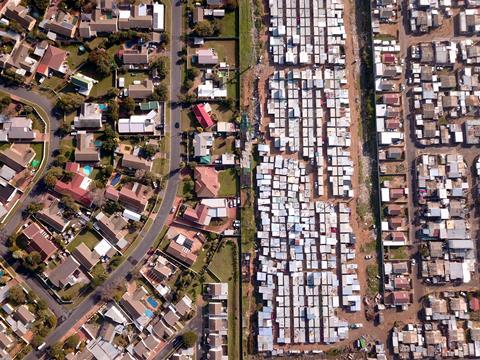
Economic growth is concentrated in large metropolitan areas, which are densely populated and therefore particularly vulnerable to rapid microbial transmission. In regions experiencing rapid population growth, public health measures may be insufficient, resulting in poor sanitation and environments conducive to the spread of infection. Deforestation for development increases contact between wildlife and humans, thereby elevating exposure to zoonotic pathogens and facilitating spillover from animals to humans.
Climate change increases the frequency of disasters such as floods, which can trigger outbreaks of infectious diseases, including cholera. In conflict‑affected areas, weak public health and healthcare systems make infectious disease control especially difficult. The recent global resurgence of cholera, much of which has occurred in conflict zones, exemplifies this challenge.
Information dissemination significantly influences human behavior and thus impacts infection spread. Misinformation and disinformation are serious problems. When such information leads people to misunderstand diseases, they may abandon preventive behaviors. Moreover, failures in risk communication and community engagement foster distrust in governmental institutions. As a result, people may not comply with public health policies, making infection control extremely difficult and ultimately causing substantial harm - an issue clearly observed during the COVID‑19 pandemic.

Societal impact of pandemics
Pandemics inflict enormous damage at the national level. The Spanish influenza and the COVID‑19 pandemic both demonstrated how infectious diseases can severely damage entire nations. Pandemic‑related impacts can result in profound economic losses and may even trigger geopolitical instability. Minimizing such damage through adequate preparedness and timely, appropriate responses is essential to protecting nations and their populations.
The characteristics of a pandemic vary depending on which populations are most susceptible. During COVID‑19, older adults accounted for a high proportion of cases and experienced high morbidity and mortality. In contrast, the 2009 H1N1 influenza pandemic disproportionately affected children. The Spanish influenza of the early twentieth century infected and killed many young adults.
In diseases with high fatality rates, sudden increases in deaths can shock societies and cause social disruption. Rapid surges in patient numbers can exceed healthcare capacity, and delays in appropriate treatment result in otherwise preventable deaths. Conversely, even when fatality rates are low, highly infectious diseases can still lead to large numbers of deaths and long‑term consequences such as chronic health problems, post‑infectious sequelae, and loss of workforce productivity. These realities are often poorly recognized by society because many infections are mild, masking the true scale of loss.
Pandemic control measures such as lockdowns and school closures significantly restrict daily life and suppress economic activity. When prolonged, these measures can lead to serious consequences, including deterioration of mental health, declines in academic achievement, and adverse effects on cognitive development among children and students due to the loss of in‑person education. These issues became evident during the COVID‑19 pandemic.
Following COVID‑19, notable changes have occurred in the epidemiology of many infectious diseases, including influenza, with some experiencing outbreaks of unprecedented scale. One proposed explanation is that large‑scale non‑pharmaceutical interventions reduced exposure to various pathogens, leading to decreased population immunity. In addition, the reallocation of public health resources and decreased vaccination coverage during the pandemic contributed to the resurgence of vaccine‑preventable diseases such as measles.
The COVID‑19 pandemic also revealed stark inequities: when demand for diagnostics, therapeutics, and vaccines surged, limited supplies were disproportionately concentrated in high‑income countries. Meanwhile, recent geopolitical changes have raised concerns regarding economic bloc formation and supply‑chain vulnerability, prompting countries to strengthen domestic capacity for securing essential medical resources.
What preparations are required
The most essential requirement is the ability to flexibly anticipate a wide range of scenarios. Planning based solely on the most recent pandemic results in biased and inadequate countermeasures. Therefore, it is necessary to consider diverse possibilities and establish systems capable of responding to various situations. Although pandemics have historically been caused by influenza viruses, the most recent pandemic was due to a coronavirus, and the next could be caused by a different type of microorganism. The populations most severely affected may also vary.
To accommodate this diversity, a flexible public health and healthcare system is indispensable. However, such flexibility can only be achieved on the foundation of a robust system maintained during normal times. In addition, sufficient surge capacity beyond routine healthcare demand must be secured.
Societies inherently possess latent vulnerabilities during normal times. These risks often remain hidden until crises such as pandemics apply intense stress and expose them. Addressing problems only after emergencies occur has inherent limitations. Risk management - recognizing societal vulnerabilities in advance and reducing the likelihood of undesirable outcomes - is therefore critical. While the pandemic imposed severe hardship, it also revealed weaknesses within society. Identifying and systematically addressing these weaknesses during non‑crisis periods is a fundamental responsibility.
Japan’s revised National Action Plan for Pandemic Influenza and New Infectious Diseases emphasizes training and cooperation during normal times. During outbreaks, local governments are required to collaborate with relevant organizations to rapidly establish medical service delivery and testing systems.

Establishment of early detection and warning systems and rapid information sharing
Establishing systems for early detection of emerging infectious diseases and rapid sharing of relevant information is essential. Early identification of signals indicating the emergence of new diseases allows prompt initiation of response measures. The COVID‑19 pandemic clearly demonstrated the importance of mobilizing a nationwide response without delay from the initial stages.
Japan has long maintained systems for detecting severe infectious diseases of unknown etiology. Designated medical institutions are required to promptly report suspected cases to public health authorities, enabling rapid initial responses. Japan’s first confirmed domestic case of COVID‑19 was identified through this mechanism. More recently, acute respiratory infection surveillance has been introduced to detect respiratory infections caused by genetic mutations of known pathogens or by novel microorganisms.
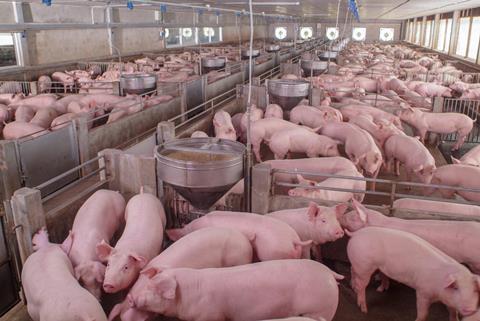
From the perspective of monitoring spillover of animal‑derived infections, integrated surveillance of animal and human health is critically important. Strengthening animal surveillance is indispensable for early detection of zoonotic infections and should be prioritized within the One Health framework.
The FF100 (First Few Hundred) framework, which systematically characterizes unknown infectious diseases during the early phase of outbreaks, is extremely important for rapidly elucidating clinical and transmission characteristics. Japan is currently strengthening systems informed by this concept. The Japan Institute for Health Security (JIHS) operates a national infectious disease clinical research network supported by a central repository, intended to enable rapid aggregation and analysis of clinical cases during public health emergencies.
Strengthening research and development of diagnostics, therapeutics, and vaccine production systems
Investment in research and development and manufacturing infrastructure during normal times is indispensable for rapid supply of diagnostics, therapeutics, and vaccines in the early stages of pandemics. In Japan, the Strategic Center for Biomedical Advanced Vaccine Research and Development for Preparedness and Response (SCARDA) was established under the National Strategy for Strengthening Vaccine Development and Production Systems. Its scope will be expanded beyond vaccines to include diagnostics and therapeutics.
Domestic production systems for raw materials must be established, and public–private partnerships promoted to secure sufficient supplies during emergencies. Advisory councils have issued recommendations on infectious disease preparedness; translating these into concrete operations and ensuring their functionality during interpandemic periods is crucial. Systems that do not function in normal times will inevitably fail during public health emergencies.
Healthcare delivery systems
A flexible healthcare system capable of withstanding rapid surges in infectious disease patients is required. Coordination mechanisms must enable flexible allocation of medical staff and inpatient beds across facilities during pandemics. This includes planned expansion of designated infectious disease beds, ICUs, and ventilators; rapid establishment of temporary medical facilities; and networks for dispatching medical support personnel. Maintaining an appropriate balance between infectious and non‑infectious care is also essential.
Such coordination is challenging and requires strong administrative involvement. Appropriate compensation systems to support flexible operation of healthcare institutions are particularly important in Japan, where most facilities are privately operated.

Human resource development
Effective training is needed for government officials, researchers, and healthcare professionals engaged in public health response, clinical care, and infectious disease research and development. However, this goal has not yet been fully achieved, largely due to insufficient positions and employment opportunities to sustain such personnel. Industry, academia, and government must collaborate to build ecosystems that continuously develop and expand expertise.
In disaster response, all individuals have defined roles. Japan’s frameworks for natural disaster response, built on accumulated experience, offer important lessons. The COVID‑19 pandemic demonstrated that similar frameworks are required for infectious disease preparedness, including basic education and training for non‑specialists.
Planned stockpiling and securing production lines
For supplies prone to shortages during pandemics - such as masks, personal protective equipment, diagnostic reagents, therapeutics, ventilators, and daily necessities - planned stockpiling, secured production lines, and surge manufacturing capacity are required. National and local governments should collaborate to maintain appropriate inventory levels and diversify supply chains during normal times, reducing reliance on imports while ensuring domestic production and alternative procurement routes. Rotational use of stockpiles during non‑crisis periods is also essential. These measures are vital not only for infectious disease preparedness but also for broader disaster preparedness and responses to medical supply shortages.
Conclusion
This commentary reviewed past pandemics and examined measures Japan should adopt moving forward. What is needed are countermeasures, systems, and policies not biased toward COVID‑19 alone, but comprehensively designed to respond to future public health emergencies. Flexible and rapid responses are difficult to achieve in practice; therefore, repeated cycles of planning, monitoring, training, and revision are essential. Above all, these measures must be integrated into routine public health and healthcare delivery systems.
Preparedness is undoubtedly beneficial. However, maintaining preparedness over long periods is an extremely high hurdle, largely because infectious disease crises occur less frequently than natural disasters and are more easily forgotten. As time passes, collective memory fades. For this reason, fostering societal understanding of preparedness, embedding it into everyday systems, and sustaining its practical implementation represent the most challenging - and most critical - tasks we face.




No comments yet