
All Immunology articles – Page 11
-
 News
NewsResearchers may now understand why chikungunya virus infections turn chronic
About half of people infected with chikungunya virus will progress to a chronic form of the disease. A new study finds that chikungunya virus persists in joint-associated macrophages, a specialized type of white blood cell that helps the body defend against pathogens.
-
 News
NewsScientists fight antimicrobial resistance by treating diseases with human antibodies
In a review, researchers highlight the promise of using human monoclonal antibodies (mAbs) to treat patients more effectively and tackle AMR. They say AMR needs to be addressed with multiple and differentiated strategies, and vaccines and mAbs are the most promising tools.
-
 News
NewsLong Covid burden continues to grow, doubling current surveillance estimates, multi-hospital study shows
Investigators using a novel AI algorithm to comb through medical records of patients with COVID-19 in U.S. hospitals, found around one in six developed long COVID. These rates are twofold higher than current estimates.
-
 News
NewsGut microbe found to worsen sepsis by triggering hyperinflammatory immune responses
Researchers have identified a specific gut microbial group that can dramatically worsen sepsis by excessively sensitizing immune cells. Genetically identical mice showed strikingly different infection outcomes depending on the composition of their gut microbiota.
-
 News
NewsStudies point to new way to fight potentially deadly Valley Fever
To better understand why Valley Fever spreads in some individuals, researchers found that patients with severe illness had an abnormal immune response. In some cases, the immune system was overactive; in other cases it was underactive.
-
 News
NewsNASCAR star’s death shows how sepsis can kill anyone if not caught
Kyle Busch won more races than any driver in NASCAR history. But his own race ended far too soon, cut short by sepsis at the age of 41 after a case of pneumonia.
-
 News
NewsNew immune system enhancer extends COVID-19 vaccine protection reducing need for repeated boosters
Researchers demonstrated that pairing the original COVID-19 mRNA vaccine with an adjuvant extended the duration of the vaccine’s protection in mice from a few months up to two years. The combo also showed a more pronounced response against omicron viral components than the vaccine alone.
-
 News
NewsNew study links gut bacteria to immunotherapy success in melanoma patients
Researchers have identified specific gut bacteria linked to better responses to cancer immunotherapy in patients with advanced melanoma. Patients who responded well to treatment were more likely to have a specific type of gut bacteria called Faecalibacterium.
-
 News
NewsMicrobiome insights may help predict immunotherapy benefit in kidney cancer
City of Hope researchers report that gut microbiome composition may influence how patients respond to immunotherapy combinations in metastatic renal cell carcinoma, pointing to a potential biomarker that could help guide treatment selection in the future. The microbiome is a rising focus at City of Hope, highlighted ...
-
 News
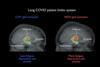
NewsBrain inflammation is unlikely to explain persistent long COVID symptoms
A new brain imaging study has found no evidence of widespread brain inflammation in patients suffering from prolonged symptoms after COVID-19 infection. Instead, the most severe long COVID symptoms were associated with increased brain activity in regions involved in mood and emotion.
-
 News
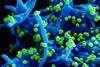
NewsScientists harness T cells to help the body fight entire viral families
Scientists have discovered that combining key vaccine ingredients could give the body the tools it needs to fight the entire family of arenaviruses with a single vaccine, protecting against life-threatening infections from Lassa virus, Junin virus, and other arenaviruses with pandemic potential.
-
 News
NewsLargest-ever Canadian clinical trial tests ‘poop pills’ to improve immunotherapy for lung cancer
For nearly half of people diagnosed with lung cancer, immunotherapy can slow the disease but not stop it. A clinical trial will pair immunotherapy with fecal microbiota transplantation (FMT) with the goal of safely increasing treatment effectiveness. If successful, it could provide new treatment options for people with lung cancer.
-
 News
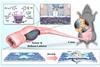
NewsHost-based antifouling gold nanotube sensor for the selective detection of mechanically sensitive serotonin release in intestinal mucosa
A new study report a stretchable electrochemical sensing platform with high deformation insensitivity and strong antibiofouling capability. The platform enables in situ capture of dynamic small-molecule chemical signals in the gut, and revealed a new mechanism underlying enhanced intestinal mechanosensation under microbe-related stimulation.
-
 News
NewsHidden small RNA determines if cholera bacterium can infect humans
Scientists have uncovered what gives Vibrio cholerae, the bacterium that causes cholera, the ability to colonize the human gut. They found that a small RNA embedded within another gene controls where cholera thrives, a discovery that could improve prediction and prevention strategies.
-
 News
NewsTargeted therapeutics show promise in fighting off drug-resistant bacteria
A new study shows that when under attack, the body’s immune cells activate a cellular process called ‘mitochondrial fission’ to kill invading bacteria. Researchers found an experimental treatment called an HDAC6 inhibitor can re-activate the mitochondrial fission process in immune cells to fight invading bacteria.
-
 News
NewsImmune system overreaction linked to deadly flu in pregnancy
Researchers have discovered why influenza can lead to life-threatening complications during pregnancy. In most people, influenza stays in the upper respiratory tract and clears without spreading further. But during pregnancy, the virus can extend into the cardiovascular system, increasing the risk of severe complications for mothers and babies.
-
 News
NewsReview highlights antimicrobial peptides as cross-seeding modulators at the neurodegenerative–infectious interface
In a comprehensive review, researchers synthesize emerging evidence that antimicrobial peptides and disease-related amyloids can influence one another through heterotypic cross-seeding interactions.
-
 News
NewsBacteria may hold a cancer treatment clue
A review argues that tumors with reproducibly poor prognosis outcomes may share an overlooked feature: bacterial infection within the tumor microenvironment. These bacteria may weaken treatment by altering local immunity, damaging tissue structure, and even inactivating chemotherapeutic drugs.
-
 News
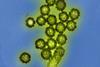
NewsInfluenza virus platforms: New hope for vaccines and cancer immunotherapy
Influenza virus is now being engineered to carry foreign genes and reduce virulence, serving not only for next-generation influenza vaccines but also as delivery vectors for heterologous antigens against other infections and cancers, supported by its ability to trigger robust mucosal and systemic immune responses.
-
 News
NewsIgG fucosylation linked to severe COVID-19 progression and traditional Chinese medicine therapy
A new study has uncovered that immunoglobulin G (IgG) fucosylation, a critical type of protein glycosylation, is closely associated with the progression of severe COVID-19, offering new insights into disease pathogenesis and potential therapeutic strategies.