
All Immunology articles – Page 6
-
 News
NewsHow bats tolerate viruses: study sheds light on one of nature’s biggest immune mysteries
Researchers have found that the world’s largest family of bats has two distinct copies of the genes that produce antibodies, the specialized proteins that help the immune system recognize and fight infections. Every other known mammal has only one such set.
-
 News
NewsResearch study investigates how maternal viral infections shape lifelong immune health in offspring
A $2.4 million grant will support research that aims to uncover how viral infections during pregnancy reprogram the developing immune system of the fetus, influencing susceptibility to infectious diseases throughout life.
-
 News
NewsElephant vaccine shows first signs of protection against deadly virus
Scientists have published the first peer-reviewed evidence that an experimental mRNA vaccine may help protect young Asian elephants from elephant endotheliotropic herpesvirus, one of the deadliest diseases facing the species.
-
 News
NewsTissue-resident immune cells defend human lungs from viral, bacterial, and fungal infections
A study shows that human lung tissue serves as a “reservoir” for a large number of tissue-resident memory T cells.. These cells stand ready to combat a surprising range of viruses, bacteria, and even deadly fungal pathogens.
-
 News
NewsRemdesivir for COVID-19 linked to better outcomes for adult kidney transplant recipients
Adults with kidney transplants who were treated for COVID-19 with the antiviral remdesivir within a week of diagnosis were less likely than kidney transplant recipients who did not receive the antiviral to experience cardiovascular or kidney problems up to a year later.
-
 News
NewsStudy reveals dengue virus can infect immune cells meant to fight disease
Researchers have discovered that dengue virus can infect and replicate inside memory B cells, immune cells traditionally understood to help protect the body from infection. It’s a previously unrecognized way the virus may evade immune defenses.
-
 News
NewsIs the licensed Zaire ebolavirus vaccine suitable to combat the current Bundibugyo ebolavirus outbreak?
Researchers provide evidence of possible cross-protection through an already licensed Zaire ebolavirus vaccine.
-
 News
NewsStudy uncovers new path toward fighting malaria
Researchers have discovered that the malaria parasite relies on a specific type of fat to survive and multiply within the human host, uncovering a previously unknown vulnerability that could help guide future treatments.
-
 News
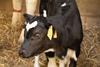
NewsNew research identifies potential early indicator of Johne’s disease exposure in calves
New research has found that antibodies against Johne’s disease can be detected in the blood of newborn calves after they have received colostrum from their mothers. Antibody measurements could provide a way to determine when calves are first exposed to the disease.
-
 News
NewsImbalances in the oral microbiome linked to symptomatic hand osteoarthritis
Specific imbalances and disruptions to the oral microbiome have been linked to symptomatic hand arthritis. Study findings suggest that the microbial environment of the mouth may influence the disease process of hand arthritis.
-
 News
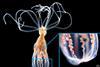
NewsEven invertebrates can specifically distinguish between bacteria
Researchers have found that the immune system of a sea anemone is capable of selectively distinguishing between different microorganisms and thus protecting beneficial over harmful bacteria – an ability that has only been attributed to vertebrates to date.
-
 News
NewsScientists map how the flu virus rewires the human cell from the inside
Researchers have gained new insights into how the influenza A virus reprograms cellular machinery by tracking molecular interactions directly inside infected cells.
-
 News
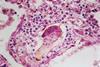
NewsCOVID-19 vaccines remain effective despite helminth-induced immune modulation
In a preclinical study, researchers have found that mRNA- and protein-based SARS-CoV-2 vaccines effectively protected Schistosoma-infected mice against the virus, despite the mice’s distinct immune response profiles.
-
 News
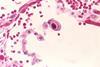
NewsNew Piem concept proposed: Reshaping human microbiome research and opening a new chapter in precision medicine
Researchers systematically proposed the novel concept of “Persistent Intracellular Extraintestinal Microbes” (PIEM). This expands the scope of microbiome research from external surfaces to the body’s interior.
-
 News
NewsData may reveal the hidden communication of pathogenic fungi
Researchers creating the first comprehensive fungal EV atlas will investigate vesicles produced by fungi belonging to the Candida, Aspergillus and Cryptococcus genera, while also working to standardise the methods used for their isolation and analysis.
-
 News
News COVID-19 booster strategies provide lasting immunity
Smaller doses of COVID-19 booster vaccines can provide long-lasting immunity, helping to reduce costs and improve access to vaccination, according to research. The findings could also inform vaccine dosing and options during future pandemics.
-
 News
NewsROS–Jak2/Stat3 signaling drives HBV-induced liver inflammation
Scientists investigated the mechanisms underlying HBV-induced liver inflammation and identified a reactive oxygen species (ROS)-dependent signaling cascade that activates the Jak2/Stat3 pathway, thereby triggering hepatic inflammatory responses.
-
 News
NewsSweeteners shown to slow growth of important gut bacteria in lab tests
Researchers have shown how commonly-used sweeteners slow the growth of certain gut bacteria. One sweetener in particular – combined with the anti-depressant duloxetine - significantly impaired two important gut bacteria linked to regulating blood sugar and gut health.
-
 News
NewsResearchers launch global initiative to study disappearing heritage diets
The world’s ‘heritage’ diets could hold vital clues to better health. Researchers from 12 countries have launched the World Diet Initiative, a global effort to document and study these diets before this knowledge is lost.
-
 News
NewsResearch team receives $10 million NIH grant to study how animals fight infection
Researchers have built a collection of living cells from over 100 animal species to explore innate immune diversity. They have received a 5-year, $10 million grant to utilize this ‘cellular zoo’ to determine how diverse animals recognize and fight virus infections.