
All Immunology articles – Page 8
-
![Low-Res_[1] KRICT Research Team](https://d3rmrttq0bsnxi.cloudfront.net/Pictures/100x67/3/0/4/21304_lowres_1krictresearchteam_295027.jpg) News
NewsKRICT discovers novel SRV2 envelope protein for efficient car immune cell production
Researchers identify a novel SRV2 envelope protein that serves as a key to unlock immune cells, enabling more efficient delivery of anticancer genes and improving the production and therapeutic performance of CAR immune cells.
-
 News
NewsGut microbiome: The hidden architect of liver cancer immunotherapy response
A comprehensive review synthesizes current advances linking gut bacteria to immunotherapy outcomes in hepatocellular carcinoma (HCC), the most common type of primary liver cancer.
-
 News
NewsBillions of doses later: Global review confirms mRNA vaccines are safe, effective and full of promise
A comprehensive review brings together global evidence to strengthen public trust and counter misinformation as mRNA vaccines expand to prevent and treat more diseases.
-
 News
NewsAntibiotics reverse damage caused to blood stem cells by chronic Salmonella
A new study has revealed that long-term Salmonella infections severely damage blood stem cells - but this damage is completely reversible. Giving an effective course of antibiotics fully restores the stem cells, allowing them to recover their health and rebuilding power.
-
 News
NewsCase study: Fatal rabies in a child
Ontario’s first case of fatal rabies since 1967 provides critical guidance to help prevent death from rabies in future instances. The parents agreed to share their son’s case to help raise awareness of rabies.
-
 News
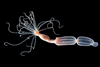
NewsSea anemone flips a human antiviral strategy on its head
A new study has uncovered a previously unknown antiviral defense mechanism in sea anemones, revealing that animals may have evolved more than one way to fight viral infections.
-
 News
NewsNatural compound may help boost vaccine responses
A team of researchers has found that the naturally occurring compound spermidine can help boost vaccine response in older adults by reducing molecular markers of immune system ageing.
-
 News
NewsHealthy infant microbiomes appear to protect against malaria
A small preliminary study shows that 6-week-old infants with healthy gut microbiomes are less likely to contract malaria in their first year of life, suggesting the intriguing possibility that treatments such as probiotics could be protective against malaria.
-
 News
NewsMicrobes rewrite the rules of cancer immunotherapy by triggering immunogenic cell death
A new study reveals that microbiota and their metabolites can effectively reprogram immunogenic cell death (ICD), a unique form of cell death that activates the body‘s immune system against tumors, transforming immunologically “cold” therapy-resistant tumors into “hot” responsive ones.
-
 News
NewsRed meat may worsen IBD — here’s what could help
New research sheds light on why red meat may worsen inflammatory bowel disease (IBD). Researchers found that mice fed a beef-based diet developed the most severe intestinal inflammation, but those consuming pea protein showed only mild symptoms.
-
 News
NewsDiscovery of severe pneumonia subtypes could lead to tailored treatments for life-threating disease
New research shows that severe pneumonia has three different subtypes, helping explain why some patients in intensive care units (ICUs) recover quickly, while for other patients the disease can be life-threatening.
-
 News
NewsHidden protein linked to severe COVID-19 and lung disease risk
A genetic difference carried by nearly one in three people may increase the risk of severe COVID-19 and lung fibrosis by disrupting the function of a previously unknown protein, according to a new study.
-
 News
NewsThe early immune clues that determine who develops TB
An early view of the immune response to bacteria in the lungs provides clues as to why some people keep TB in check, while others develop disease, suggesting new ways to intervene earlier and stop TB.
-
 News
NewsGut fungi may hold the key to treating asthma worldwide
Two new studies reveal that certain species of fungi in the gut play a key role in the development of immune dysregulation and some pediatric allergic diseases — and may be promising targets for new therapies.
-
 News
NewsResearch team awarded NIH grant to study congenital CMV transmission during pregnancy
A research team has received a new 5-year, $3.87 million R01 grant from the National Institutes of Health (NIH) to investigate how the immune system protects against congenital cytomegalovirus (CMV) infection.
-
 News
NewsProtective human antibodies target West Nile and related viruses
New research defines vulnerable sites on West Nile virus that could inform vaccine development, and highlight antibody candidates with prophylactic and therapeutic potential. They may also guide interventions for a wider group of encephalitic orthoflavivirus infections.
-
 News
NewsA two-pronged vaccine approach to prevent genital herpes
Researchers have taken a significant step toward a genital herpes vaccine that in preclinical models prevented infection. This study extends the original “prime and pull” approach by developing a new nanoparticle that effectively induces local immunity.
-
 News
NewsNew study shows near-complete reduction of cervical cancer deaths among HPV-vaccinated adolescents in England
A new study suggests the Human Papilloma Virus (HPV) vaccine may be responsible for a near-complete protective effect against death from cervical cancer among women under 30 in England who received the vaccine between 12-18 years old.
-
 News
NewsAI reveals unexpected source of antibiotic candidates in prion proteins
Prion and prion-like proteins may hide short peptides, named “prionins,” that can kill bacteria, suggesting proteins best known for their role in neurodegeneration may contain molecular features linked to immune defense, according to new research.
-
 News
NewsEbola virus hides in the central nervous system, according to new research
Ebola virus can survive unnoticed in the human body for months or even years, hiding in areas with little immune surveillance like the central nervous system. Using a cerebral organoid model, researchers have gained valuable insights into the mechanisms of Ebola virus persistence.