
All Immunology articles – Page 7
-
 News
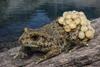
NewsMystery of why some toads survive deadly fungus revealed
The mystery of why some populations of amphibians recover following outbreaks of a deadly fungus has been solved in a new study. Researchers looked at peptides that the toads secreted from their skin – a key part of their immune defence.
-
 News
NewsResearchers link gut microbe to cancer-fighting immune response
A new study is the first to show metabolites produced by certain bacteria in the gut can positively impact the body’s immune response to cancer.
-
 News
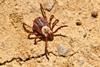
NewsEmerging tick-borne virus raises concern
A study shows how a family of tick-borne viruses known as orthonairoviruses can evade immune defenses, offering important insights into emerging infectious disease threats and the potential pandemic risk posed by these viruses.
-
 News
NewsGenetically engineered Bifidobacterium shows potential for oral delivery of cancer vaccines
A novel oral vaccine platform using genetically engineered Bifidobacterium could enhance anti-tumor immunity. In an exploratory phase I clinical study, the vaccine was well tolerated and generated immunologic and clinical findings that warrant further investigation.
-
 News
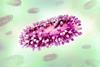
NewsNew clues raise hopes for better treatment of RSV in babies
Future therapies for respiratory syncytial virus must target both the virus and its immune response to ensure babies get the best possible outcomes, finds a new study that developed a lab model of baby lungs to show why RSV makes infants so much sicker than adults.
-
 News
NewsGut bacteria linked to malnutrition may pass to younger generations
A new study suggests that an intestinal disorder linked to malnutrition and stunted growth may be transmitted from one generation to the next via the small intestinal microbiome.
-
 News
NewsGut bacteria boost immune system and help send Vitamin A to T cells
Scientists have discovered that gut bacteria help regulate the development of the body’s immune system by directing the movement of vitamin A through a previously unrecognized cellular network.
-
 News
NewsTwo companion papers explain immune ‘exhaustion’ - and how we might prevent it
Chronic and viral infections can literally exhaust certain key cells in the immune system from a constant barrage of attacks. But a new pair of papers has now pointed a way to understand how this exhaustion happens at a molecular level.
-
 News
NewsEye problems after COVID-19 can now be explained
Mild COVID-19 can cause severe and long-lasting eye problems, according to a study from Linköping University, Sweden. The study also explains why it has been difficult for sufferers to get help: the abnormal eye behaviour cannot be detected by standard methods. The researchers have developed a diagnostic model to detect ...
-
 News
NewsChikungunya fever: Etiology, pathogenesis, and management, with evidence-based application of traditional Chinese medicine
Traditional Chinese medicine (TCM) offers complementary strategies for acute symptoms and chronic polyarthralgia in Chikungunya infection. A review synthesizes current knowledge on etiology, pathogenesis, clinical features, and management.
-
 News
NewsCommonly used drugs show small benefit for long Covid fatigue
Over-the-counter antihistamines and a prescription anti-inflammatory drug both have a small benefit in reducing long Covid fatigue among people receiving care from specialist long Covid clinics, according to new findings from a large clinical trial.
-
 News
NewsHow immune cells in our gut mesentery fight salmonella
Researchers have found that immune cells in a portion of the abdominal cavity, called the mesentery, play a critical role in suppressing — or exacerbating — salmonella infection.
-
 News
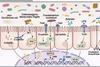
NewsMicrobiome and cancer: From passive bystanders to active players
A special issue reviews how microbiome science and cancer biology can converge as an integrated front for precision oncology. Articles span topics from hepatocellular carcinoma and colorectal cancer to gastric cancer and pancreatic ductal adenocarcinoma.
-
 News
NewsNew HIV vaccine shows unprecedented success in preclinical study
Scientists have developed an HIV vaccine that trains immune cells to see past HIV’s defenses. This HIV vaccine works by prompting the body’s immune system to make substantial numbers of rarely seen “broadly neutralizing” antibodies.
-
 News
NewsHow psychological stress alters gut microbes and ages blood stem cells in mice
Psychological stress is recognized as a risk factor for certain health conditions. Researchers describe a mechanism in mice that explains this association: psychological stress speeds up aging-like changes in the body’s blood-forming stem cells in the bone marrow by altering the intestinal microbiota.
-
 News
NewsPrize winner’s research reveals microbiota’s hidden role in in mosquito-borne disease
For his work in revealing the hidden role of the microbiota in mosquito-borne disease, Yibin Zhu is the winner of the 2026 Noster NOSTER & Science Microbiome Prize. Microbiota from both the hosts and vectors can either promote or suppress virus transmission, depending on where they act in the transmission cycle.
-
 News
NewsCOVID’s lingering shadow faded after Omicron — but not for everyone
A long-term study of long Covid has found that whilst lingering symptoms became far less common after the Omicron variant arrived, some people have continued to experience health problems years after infection.
-
 Article
COVID-19 vaccine boosters may help protect against future animal coronaviruses
COVID-19 vaccine boosters not only protect against SARS‑CoV‑2 but may also help protect against some future coronaviruses that risk spreading from animals to humans, researchers have shown.
-
 News
NewsCommon probiotic ingredient turns immune cells into tumor killers
A probiotic bacterium secretes mannose—that significantly suppresses melanoma growth in mice by activating the body’s own immune defenses. Mannose enters CD8⁺ T cells through glucose transporters and inhibits a key protein called YAP1, which normally restrains T-cell killing power.
-
 News
NewsStudy: Three-in-one vaccine shows promise against ‘tripledemic’
A single-shot vaccine in development could protect against flu, COVID-19 and RSV simultaneously. In a study, researchers found that their three-in-one vaccine triggered protective immunity against all three respiratory diseases in mice, ferrets and cotton rats.