
All Immunology articles – Page 16
-
 News
NewsA natural molecule present in the human body protects against the flu
A research team has demonstrated that dermcidin, an antimicrobial peptide produced constitutively by the human body, also exhibits antiviral activity against the influenza virus. People who do not develop flu-like symptoms have higher baseline levels of this molecule.
-
 News
NewsHow bacteria outsmart the immune system: Two-pronged strategy revealed
A team has uncovered how a common bacterial pathogen uses a single protein to quietly undermine the human immune system, by both shutting down key warning signals and blocking the cell’s ability to restore them.
-
 News
NewsNew vaccine strategy could help extend immunity against evolving viruses
Researchers have identified a possible way to make longer lasting vaccines for respiratory viruses like influenza and the coronavirus that causes COVID-19.
-
 News
NewsCall for evidence: Why has the promise of personalised medicine failed to materialise on the ground?
A new inquiry by the UK Parliament’s Science and Technology Committee investigates why the NHS adoption of the UK’s cutting-edge life sciences innovations often fails - and what could be done to fix it. Members of AMI could be just the people to provide answers.
-
 News
NewsVitamin D linked to immune response to gut microbiome in inflammatory bowel disease
Vitamin D supplementation may help shape how the immune system responds to gut bacteria in people with inflammatory bowel disease (IBD), according to a new study.
-
 News
NewsSpecific patterns of CD39 expression on T-cells of HIV/HCV coinfected patients receiving antiretroviral therapy
Researchers demonstrated that CD4+ T-cells act as the main regulators of purinergic signals in HIV/HCV coinfected and healthy individuals. At the same time, the proportion of CD4+ T-cells involved in the control of purinergic signaling was increased in HIV/HCV coinfected patients compared with healthy subjects.
-
 News
NewsAging lung cells could be why COVID and flu are so dangerous to the elderly
Older adults are much more likely to become seriously ill from flu or COVID because aging lung cells can drive excessive immune responses, according to a new study led by researchers.
-
 News
NewsFiber in whole wheat foods protects against gut inflammation in mice, study finds
Enriching the diet with wheat fiber protects mice against intestinal inflammation, according to a study. The finding helps explain why incidence of inflammatory bowel disease (IBD) has increased, and suggests eating whole wheat foods may reduce one’s risk of developing it.
-
 News
NewsSevere infections may raise dementia risk, study finds
A study finds that infections like cystitis and bacterial disease are linked to higher dementia risk independently of other coexisting conditions.
-
 News
NewsAutoantibodies implicated as drivers of long COVID in new study
A new study shows that antibodies from Long COVID patients can induce persistent pain-like symptoms in mice. This provides evidence for a potential causal role of autoantibodies in Long Covid.
-
 News
NewsNew research suggests HIV can be kept in check – without medication
An international study shows that a combination of two parts of the immune system – antibodies and T cells – can suppress HIV without lifelong medication.
-
 News
NewsHKU innovations achieve recognition at the 51st International Exhibition of Inventions at Geneva
The University of Hong Kong (HKU) secured 46 awards at the 51st International Exhibition of Inventions of Geneva, including recognition for a project aiming to gain immunity against the three major respiratory viruses through home-based toothbrushing.
-
 News
NewsStudy details neuropsychiatric symptoms and biological mechanisms of long COVID
A review highlights the need to standardize diagnosis and treatment of long Covid. In the study, the researchers emphasize that avoiding SARS-CoV-2 infection is the only way to prevent long COVID so far.
-
 News
NewsWhy some people naturally control HIV even after stopping therapy — and how we can leverage that to treat others
New research offers a path toward life without daily HIV pills, suggesting a common diabetes pill could help achieve long-term remission.
-
 News
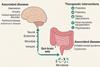
NewsGut microbiota and the gut–brain axis: Mechanisms and therapeutic hopes for brain diseases
A new study looks at the gut–brain axis (GBA), a sophisticated bidirectional communication network that integrates neural, immune, endocrine, and metabolic pathways to govern brain function and systemic homeostasis.
-
 News
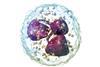
NewsNew study reveals spleen-to-lung neutrophil axis orchestrates antiviral defense
Single-cell spatial mapping uncovers the spleen as a critical reservoir for lung neutrophils during respiratory viral infection, according to a new study.
-
 News
NewsKorean live microbes survey finds less inflammation from consuming fermented foods
A new study that analyzed South Korean health data to determine whether live microbe intake from fermented foods like kimchi is associated with certain health indicators, found a link between increased consumption of live microbe-rich foods and lower systemic inflammation.
-
 News
NewsWeaning, more than a change of food: It shapes a life-long, healthy gut
According to a team of researchers, weaning or switching from milk to solid food in early life doesn’t just change what babies eat, it helps reprogram the gut’s immune defenses to mount faster and stronger responses that can last into adulthood.
-
 News
NewsFrequent infections in nursery help toddlers build up immune systems
Young children who attend nursery get sick more often than those who don’t, but they will go on to have fewer illnesses during early school years, finds a new review of evidence by a group of parent-scientists.
-
 News
NewsTarget behind cancer drug shown to help fight influenza in mice
A protein already targeted by FDA-approved cancer drugs may also help the body fight influenza. A study found that Programmed Death-Ligand 1 (PD-L1), best known for helping tumors evade immune attack, instead helped immunocompromised mice clear flu-infected lung cells and survive infection.