
The CD4+T-cell count is a key indicator for evaluating immunosuppression. Infections significantly influence the survival and prognosis of critically ill patients. Nevertheless, no research to date has comprehensively investigated the relationship between reduced CD4+T-cell counts and lung infections in immunosuppressed patients admitted to intensive care units (ICUs).
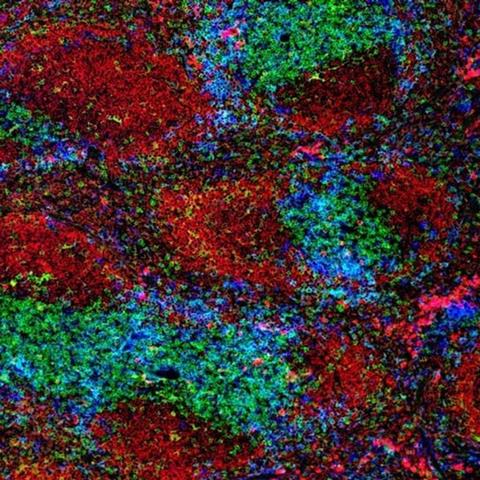
This retrospective, single-center study published online in the Journal of Intensive Medicine on January 08, 2026, included 40 immunocompromised patients admitted to the ICU from January 1, 2021, to June 30, 2023. All participants underwent metagenomic next-generation sequencing.
Patients with suspected lung infections based on their CD4+T-cell counts were divided into mild (350/μL < CD4+T-cell count < 500/μL), moderate (200 /μL < CD4+T-cell count ≤ 350/μL), and severe (CD4+T-cell count ≤ 200/μL) groups. Microecological analysis was performed on each group. Intergroup comparisons were conducted for 28-day mortality, hospital length of stay, and ICU length of stay.
The findings
Among the 40 immunosuppressed patients, 8 were assigned to the mild group, 16 to the moderate group, and 16 to the severe group. Streptococcus pneumoniae was found mainly in patients with moderate immunosuppression, while patients in the severe group had a higher proportion of fungal infections. Respiratory microbiome analysis identified Acinetobacter baumannii, Human alphaherpesvirus 1, and Klebsiella pneumoniae as the most abundant species. Although no significant differences in alpha diversity were observed among the groups, diversity values tended to be lower in the severe group than in the moderate group.
Beta diversity analysis showed that the overall microbial community structure did not significantly differ across groups. Researchers identified 27 microbial markers, including several Streptococcus species enriched in the moderate group and Candida tropicalis enriched in the severe group. By day 28, four patients (50.0%) in the mild group had died, compared with six (37.5%) in the moderate group and nine (56.3%) in the severe group. No significant differences were observed in ICU or hospital length of stay.
Pulmonary infections
This study on ICU-admitted immunocompromised patients identified the prevalent pathogens and microbiome features associated with pulmonary infections, as well as their relationship with CD4+T-cell depletion. These findings are valuable for optimizing clinical diagnosis and treatment strategies and may contribute to improving patient outcomes.
Overall, the findings highlight how decreasing CD4⁺T-cell counts are associated with distinct pathogen patterns in lung infections among immunocompromised ICU patients, providing insights that may support earlier diagnosis and more targeted treatment strategies.


No comments yet