
Tuberculosis (TB) remains a major global health threat, and the death of Mycobacterium tuberculosis (Mtb)-infected macrophages is a key driver of disease pathology.
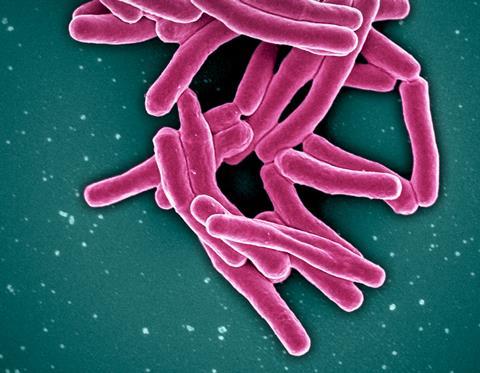
Identifying cell death pathways is crucial for therapeutic intervention.
A surprising route to necroptosis
z‑VAD‑FMK is a pan-caspase inhibitor broadly used in cell-death research. Conventionally, z‑VAD‑FMK-driven necroptosis is attributed to caspase-8 suppression. Here, researchers led by Li Zhang from Southern University of Science and Technology found that z‐VAD‐FMK triggers macrophage necroptosis during mycobacterial infection via a non‑canonical off‑target mechanism.
Genetic and pharmacological evidence showed this cell death relied on the RIPK1‑RIPK3‑MLKL axis, TLR2‑TNF‑α, and type I interferon signaling. Strikingly, knockdown of mouse caspase-8 and knockout of human caspase-8 in macrophages did not abolish z‑VAD‑FMK-triggered necroptosis upon mycobacterial infection. Other selective caspase inhibitors failed to recapitulate this phenotype, demonstrating a caspase-8-independent off-target mechanism. Notably, RIPK3 became functionally activated without detectable phosphorylation at the canonical T231/S232 sites, suggesting alternative RIPK3 activation modes.
The effect extends beyond TB
This off-target necroptosis could also be observed in macrophages infected with other bacteria that are evolutionarily related to Mycobacterium tuberculosis, including Mycobacterium kansasii and Rhodococcus equi. In vivo, MLKL deletion barely altered TB outcome in wild-type C57BL/6 mice. However, in Sp140-/- mice featuring hyperactivated type I interferon responses and necrotic granulomas, MLKL deficiency alleviated weight loss, reduced bacterial burden, and mitigated pulmonary pathology after high-dose aerosol infection.
MICROBIOLOGY NEWS: Register with The Microbiologist for more free articles
This work reveals important but underappreciated off-target activity of z-VAD-FMK. Identifying the real target(s) of z‑VAD‑FMK will advance our understanding of necrotic granuloma formation during tuberculosis and may inform future host-directed therapeutic development for TB.
Topics
- Asia & Oceania
- Bacteria
- caspase-8
- cell-death research
- Disease Pathology
- Immunology
- Infection Prevention & Control
- Infectious Disease
- Li Zhang
- macrophage
- macrophages
- mycobacteria
- mycobacterial infection
- Mycobacterium tuberculosis
- Necroptosis
- One Health
- Public Health
- Rhodococcus equi
- Southern University of Science and Technology
- tuberculosis


No comments yet