
A new study published in Science Translational Medicine shows that the increased risk of preterm pregnancies associated with urinary tract infection (UTI), is linked to the body’s immune response to the infection rather than to the bacteria themselves. Researchers at Baylor College of Medicine and collaborating institutions conducted their study in mice and analyzed immune response mediators in the urine of pregnant individuals where they also found that specific immune responses were associated with preterm birth. The findings provide potential biomarkers of and therapeutic targets for preterm birth in humans.
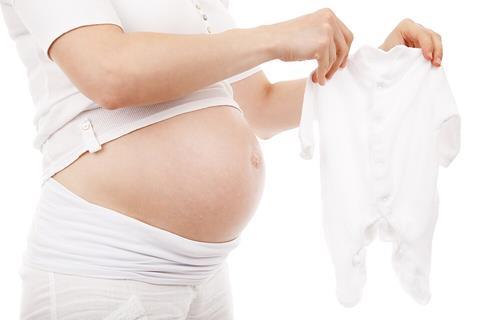
“Maternal UTI during pregnancy increases the risk of adverse outcomes, including preterm birth, which is the leading cause of infant mortality, resulting in more than 1 million neonatal deaths globally each year,” said corresponding author Dr. Kathryn A. Patras, associate professor of molecular virology and microbiology and in the Alkek Center for Metagenomics and Microbiome Research at Baylor. “Despite abundant clinical correlations, there are limited data exploring this relationship mechanistically, in part because of lack of animal models that mimic clinical presentation in humans.”
Mouse model
In the current study, the team’s goal was to establish a murine model of maternal UTI. Using this model, they evaluated pregnancy-specific alterations to the immune response to UTI and how bladder infection affects reproductive outcomes.
“While studying the maternal immune response to UTI was our original goal, we were surprised to find that our mouse model reproduces clinical manifestations in humans, including preterm birth,” said first author Samantha Ottinger, graduate student in the Immunology and Microbiology Program working in the Patras lab.
“Interestingly, in this model UTI initiated preterm labor and birth only in half the dams (female mice who have given birth or are breeding). We were intrigued by this result as we expected that preterm birth would occur in a larger proportion of pregnant mice if the bacterial infection itself was causing labor.”
Maternal immune response
Further studies showed that in this model preterm birth did not require bacterial dissemination from the bladder to the reproductive tract, suggesting that the maternal immune response, which includes immune proteins called cytokines and immune cells, initiates adverse outcomes.
“Although bacterial burdens were similar, dams experiencing early labor displayed excessive bladder inflammation, lower levels of a cytokine called interleukin-10 in maternal serum and activation of immune T cells, compared with nonlaboring dams,” Ottinger said. “Importantly, supplementing dams with IL-10 or trapping T cells in the lymph nodes prevented preterm birth.”
MICROBIOLOGY NEWS: Register with The Microbiologist for more free articles
When the researchers analyzed urinary cytokines in human pregnancies and associated them with birth outcomes and urine culture positivity, they found that cytokines associated with T cell immunity were likewise linked with preterm birth.
“Together, these findings provide a model for understanding how UTI during pregnancy may lead to preterm birth and identify potential strategies to predict and prevent preterm birth in humans,” Patras said.
Topics
- Bacteria
- Clinical & Diagnostics
- cytokines
- Disease Pathology
- Disease Treatment & Prevention
- immune response
- Immunology
- Infection Prevention & Control
- Infectious Disease
- Kathryn A. Patras
- Medical Microbiology
- mouse model
- One Health
- pregnancy
- preterm birth
- preterm pregnancies
- Reproductive &Urinary Tract Microbiome
- Research News
- Samantha Ottinger
- T cell immune response
- urinary tract infection
- USA & Canada



No comments yet