
Researchers from Children’s Hospital of Philadelphia (CHOP), in collaboration with colleagues across the country, found that more than one in four pediatric patients treated for malaria in the United States had a delay in their initial diagnosis, increasing the risk of more severe infection.
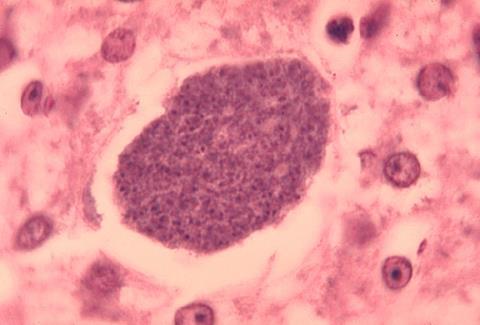
The findings, published in the journal Pediatrics, emphasize the continued need for malaria prevention prior to international travel and more prompt diagnosis of imported cases to improve patient outcomes.
Malaria is a life-threatening disease that infects more than 250 million people each year, resulting in more than 600,000 deaths, the majority of which occur in children under the age of 5. Although malaria is no longer endemic to the United States, approximately 2,000 cases of imported malaria are diagnosed in the country each year, 10-20% of which occur in children. The number of cases in the United States has risen over the past few decades, largely due to increased travel to and immigration from malaria-endemic countries.
The disease trajectory for these pediatric malaria patients in the U.S. was relatively unknown. Since many doctors in the United States may have never encountered a pediatric patient with malaria, there was a desire to better understand risk factors for developing malaria, as well as outcomes in these patients.
“Children are not little adults,” said Sesh A. Sundararaman, MD, PhD, an attending physician with the Division of Infectious Diseases at CHOP and one of the study’s co-first authors. “They are not traveling for work, but more frequently travel internationally to visit relatives and friends and acquire malaria during those trips.”
Fever and abdominal symptoms
This retrospective study analyzed pediatric patients treated for malaria at nine hospitals across the United States from 2016 to 2023 to better understand patient demographics, clinical outcomes and risk factors for severe malaria. A total of 171 patients were identified, 73% of whom had traveled to West Africa to visit friends and relatives.
Fever was the most common symptom reported, affecting 90% of patients, and two-thirds of patients reported at least one abdominal symptom. While no deaths occurred in this population, nearly one-third of patients were diagnosed with severe malaria.
The study also found that 26% of patients had a delay in the diagnosis of malaria, and this rate was similar across all hospitals in the study.
“It’s important to note that you can’t tell who’s got malaria just by symptoms,” said senior study author Audrey R. Odom-John, MD, PhD, chief of the Division of Infectious Diseases at CHOP. “Children who come in and are suspected of having malaria essentially have fever, but they can also present with a wide range of symptoms. They can have cough, they can have tummy symptoms, they can have headache, they can have almost anything. That’s why rapid and precise testing is necessary to confirm these cases.”
Delay in diagnosis
That delay in diagnosis could be caused by a variety of factors, like not asking about recent travel or a lack of familiarity with the disease among U.S. pediatricians. Whatever the case, the longer the time interval, the more likely a patient will develop more severe disease.
“Severe disease results in longer hospital stays,” Sundararaman said. “Children with severe malaria are more likely to require blood transfusions and often receive antibiotics in addition to the treatment for malaria. And these longer hospital stays can create substantial costs for both the patient and the hospitals.”
The researchers emphasized that healthcare providers should discuss planned international travel with patients and make sure to check for potential malaria infection in any patients with fever who have recently traveled to malaria-endemic regions around the world.
This study was supported by the Pediatric Infectious Diseases Society-St. Jude Children’s Research Hospital Fellowship Award in Basic and Translational Science, Pediatric Infectious Diseases Society Stanley and Susan Plotkin and Sanofi Pasteur Fellowship Award, the Thrasher Research Fund, the CHOP Foerderer Award, the National Institutes of Health grants T32AI118684, T32AI007532, T32AI060519, and R01AI103280, the Doris Duke Foundation Paragon of Research Excellence Award and Children’s Hospital of Philadelphia.





No comments yet