
All Pharmaceutical Microbiology articles – Page 13
-
 News
Engineered nanobodies improved respiratory defenses in preclinical study
Engineered nanobodies improved protection against multiple viruses by bolstering respiratory mucus. The bispecific design of the nanobodies works against viruses, like influenza, which can normally evade mucosal defenses.
-
 News
Game-changer for rare sugars: alkaline media unlocks high yield of rare sugars from bacteria
Bacterial EPSs (exopolysaccharides) are emerging as a sustainable source of rare sugars, offering advantages including higher yields and lower environmental impact.
-
 News
Probiotics combined with antidiabetic drugs overcome the ‘drug black hole’
A new study addressing the ’microbial drug black hole’ proposes a new microbe–drug synergistic therapeutic strategy and advances the development of precision nutrition-based interventions for type 2 diabetes mellitus.
-
 News
Brewing a rare medicine: yeast engineered to produce a valuable astragalus isoflavonoid
By reconstructing the complete biosynthetic pathway inside Saccharomyces cerevisiae and systematically removing metabolic bottlenecks, researchers created the first yeast platform capable of producing calycosin-7-glucoside from simple carbon sources.
-
 News
Reconstructing nature’s oxindole factory: yeast-based biosynthesis of medicinal indole alkaloids
By identifying four key enzymes from a North American plant and reconstituting them in yeast, scientists have achieved complete de novo biosynthesis of complex oxindole molecules that are difficult to obtain from plants or chemical synthesis.
-
 News
Engineered yeast delivers record levels of animal-free chondroitin sulfate
A new study establishes a robust yeast-based platform that overcomes the long-standing trade-off between yield and sulfation, enabling sustainable, high-level production of high-quality chondroitin sulfate without reliance on animal sources.
-
 News
Shingles vaccine linked to slower biological aging in older adults
Shingles vaccination not only protects against the disease but may also contribute to slower biological aging in older adults, according to a new study.
-
 News
Engineering yeast to make rare anticancer saponins: reconstructing the complete biosynthesis of polyphyllin II
By combining plant transcriptomics, enzyme engineering, and synthetic biology, a new study demonstrates, for the first time, the full heterologous production of polyphyllin II in Saccharomyces cerevisiae.
-
 News
A CRISPR fingerprint of pathogenic Candida auris fungi
Precision diagnostic platform integrating CRISPR and single molecule technology with AI enables rapid and accurate detection of drug-resistant Candida auris pathogens.
-
 News
Infant gut bacteria may be the key to preventing asthma and allergies
A study shows that children are less likely to develop allergies and asthma if, as infants, they are colonized with certain bifidobacteria that produce a substance in the gut - a so-called metabolite - that dampens immune responses to allergens.
-
 News
A bacterial toxin can counteract colorectal cancer growth
A toxin secreted by cholera bacteria can inhibit the growth of colorectal cancer without causing any measurable damage to the body. Systemic administration of the purified bacterial substance changes the immune microenvironment in tumours.
-
 News
Gut bacteria molecule boosts lung cancer treatment response
Researchers have discovered a small compound produced naturally by gut bacteria that doubled the response to lung cancer immunotherapy treatment in mice and can now be made into a drug for testing in humans.
-
 News
Plant discovery could lead to new ways of producing medicines
Scientists studying a plant called Flueggea suffruticosa, which produces a particularly powerful alkaloid known as securinine, investigated how this chemical is made - and discovered that the process is driven by a gene that looks more like it comes from bacteria than from a plant.
-
 News
TB and HIV treatments are not enough for a full recovery
Existing treatments control TB and HIV, but the immune system does not revert to normal, helping explain why people living with HIV remain susceptible to infections and underscoring the need for immunotherapies.
-
 News
Why don’t antibiotic-making bacteria self-destruct?
Scientists discovered a promising new antibiotic in a soil sample. The molecule, lariocidin, is produced by the microbe Paenibacillus and shows broad activity against pathogenic bacteria. Now, the researchers report how Paenibacillus avoids harm by its own antibiotic.
-
 News
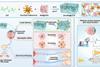
Injectable hydrogel-mediated co-delivery of oncolytic adenovirus and melphalan for retinoblastoma control and vision preservation
The collagen-based hydrogel enabled controlled oncolytic adenovirus and melphalan release and sustained retention. This approach eradicated retinoblastoma tumors and restored normal ocular structure and visual function following intravitreal administration.
-
 News
Clinical trial in Ethiopia targets the trachoma scourge
A new study documents the outcomes of an evaluation of fluorometholone as adjunctive medical therapy for trachomatous trichiasis surgery, part of an initiative to better prevent blindness and improve quality of life for those affected.
-
 News
Researchers revive failing antibiotics with two-faced Janus nanoparticles
Researchers have restored the power of failing antibiotics by combining them with two-sided nanoparticles, ultra-small building blocks of materials less than 100 nanometers across. The nanoparticles showed a remarkable ability to compromise bacterial cell walls, leaving them vulnerable to attack.
-
 News
Traditional herb offers new hope for antibiotic-free pig farming
A new review highlights that Houttuynia cordata extract could serve as a multifunctional natural substitute for antibiotics in swine production. Plant-derived flavonoids, volatile oils, and polysaccharides suppress pathogens including Salmonella, PRRSV, and Streptococcus suis.
-
 News
New test shows which antibiotics actually work
Drugs that act against bacteria are mainly assessed based on how well they inhibit bacterial growth under laboratory conditions. A critical factor is whether the active substances actually kill the pathogens in the body. Researchers have presented a new method for measuring how effectively antibiotics kill bacteria.