
All Pharmaceutical Microbiology articles – Page 9
-
 Careers
Q&A: Meet Letters in Applied Microbiology Junior Editor Daniel Jesuwenu Ajose
We caught up with Daniel Jesuwenu Ajose, a Postdoctoral Research Fellow at the School of Biology and Environmental Sciences, University of Mpumalanga in South Africa, who is one of the newest Junior Editors with Letters in Applied Microbiology.
-
 News
NewsResearchers uncover a ‘treasure trove’ of bioactive molecules in coral reefs
Researchers have found that coral reefs are home to a vast array of previously unknown bioactive metabolites — small biomolecules that have the biotechnological potential to provide the basis for new drugs, and a host of other products.
-
 News
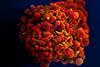
NewsHIV treatment reduces accelerated biological ageing by nearly four years, landmark study shows
A major study presented at ESCMID Global 2026 has found that antiretroviral therapy (ART) reduces accelerated biological ageing in people with HIV (PWH) by nearly four years, a finding that could transform how clinicians monitor HIV treatment and long-term health outcomes.
-
 News
NewsStandard-dose antibiotic the ‘preferred choice’ of treatment for uncomplicated acute sinusitis
A study of patients with acute sinusitis found no major differences in measured outcomes between adults who received standard amoxicillin and amoxicillin‑clavulanate. Patients treated with amoxicillin‑clavulanate were at slightly higher risk of contracting secondary infections.
-
 News
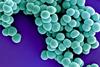
NewsStudy finds blood pressure drug effective for treating antibiotic-resistant bacteria
A new study reports that a drug used to lower blood pressure could also be the basis of a promising new treatment for methicillin-resistant Staphylococcus aureus (MRSA). Candesartan cilexetil not only killed MRSA bacteria at different growth stages, but also reduced the formation of biofilms.
-
 News
NewsHong Kong’s waters at risk from over-the-counter drug pollution
A recent study of Hong Kong’s river and estuary systems has uncovered an overlooked major source of water pollution: common over-the-counter (OTC) drugs. Accessible, everyday OTC drugs accounted for up to 85% of pharmaceutical pollution in these waters during the wet season.
-
 News
NewsSelf-propulsion or slow diffusion: How bacteria, cells, and colloids respond to stimuli
One enables them to quickly leave an environment; the other helps them move toward where they are needed. In microorganisms, as well as in artificial structures, these are the movements triggered in response to incoming and outgoing signals.
-
 News
NewsShorter antibiotic courses show similar outcomes to longer use for some pneumonia patients
A multicenter target trial emulation found that for eligible patients hospitalized with community-acquired pneumonia (CAP), health outcomes were similar whether they received a three- to four-day course of antibiotics or a course lasting five days or more.
-
 News
NewsScientists discover the antibacterial potential of ‘hero’ Korean skincare ingredient
Fans of Korean skincare may be familiar with ‘hero ingredient’ Madecassic acid for its skin-soothing properties, but researchers have revealed its greater potential for use in the battle against antibiotic resistance.
-
 News
NewsA smarter way to build vaccines: scientists harness AI to target emerging alphaviruses
Scientists have developed a new computational pipeline that could dramatically accelerate the development of vaccines against a group of mosquito-borne viruses known as alphavirus.
-
 News
NewsPueraria lobata decoction-derived vesicle-like nanoparticles reveal a novel mechanism for ulcerative colitis treatment
By simulating the traditional decoction process, researchers successfully isolated structurally intact GGD-PDVLNs from dried Pueraria lobata after boiling. These nanoparticles demonstrated remarkable stability in simulated gastric acid and intestinal fluids.
-
 News
NewsAstragalus polysaccharide-linked exosomes “wake up” latent HIV-1 by flipping a key cellular switch
“Shock-and-kill” strategies aim to reactivate latent virus so infected cells become visible to immune clearance or additional therapies. In a new study, researchers investigated whether exosomes could mediate HIV latency reversal after exposure to Astragalus polysaccharide (APS).
-
 News
NewsPhase I study for human monoclonal antibody for Lyme disease demonstrates safety, tolerability, pharmacokinetics
A Phase I clinical trial of a human monoclonal antibody discovered and developed for the prevention of Lyme disease in the U.S. was well tolerated and showed lasting serum concentrations in participants, according to data.
-
 News
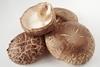
NewsShiitake-derived β-glucan inhibits human cervical cancer progression through DMBT1
A team of researchers investigated the molecular mechanism underlying the anti-cervical cancer activity of Lentinus edodes-derived β-glucan (LNT) and, for the first time, identified DMBT1 as a key target.
-
 News
NewsVanderbilt Center for Antibody Therapeutics signs agreement to develop anti-measles antibody treatment
The Vanderbilt Center for Antibody Therapeutics has signed an option agreement with Saravir Biopharma Inc. for the company to develop human monoclonal antibodies isolated in the laboratory of James Crowe Jr., MD, for the treatment and prevention of measles.
-
 News
NewsInterferon therapy found to be well-tolerated in compensated hepatitis B cirrhosis
A multicenter analysis of 920 patients finds no higher risk of serious complications in compensated cirrhosis compared to standard treatment.
-
 News
NewsVirus-inspired DNA needle could pave the way for better medicines
Researchers have developed a microscopic DNA needle that delivers molecules directly into cells and helps keep them active. It may solve a major problem in modern medicine: many therapies are trapped inside cells and lose their effect.
-
 News
NewsThesis confirms algae have strong wound-healing, skin-protective, and immune-supporting properties
New research demonstrates that polysaccharides extracted from various seaweeds and freshwater cyanobacteria possess remarkable bioactive properties and can accelerate wound healing, reduce inflammation, and protect skin cells from UV-induced damage.
-
 News
NewsA natural molecule present in the human body protects against the flu
A research team has demonstrated that dermcidin, an antimicrobial peptide produced constitutively by the human body, also exhibits antiviral activity against the influenza virus. People who do not develop flu-like symptoms have higher baseline levels of this molecule.
-
 News
NewsCopper-loaded starch nanoparticles can target bacteria in microbial communities
Researchers have developed copper-loaded starch nanoparticles that can be broken down by specific bacteria to release antibacterial copper molecules. They hope that these nanoparticles can be used to target biofilms, which account for 50-70% of healthcare-associated infections.