
All Agriculture articles – Page 6
-
 News
NewsBiodegradable sensors attached to plants detect pesticides in three minutes
Researchershave created biodegradable, “wearable” sensors for plants to monitor their health, made from carbon ink and screen-printed onto transparent cellulose acetate bioplastics. They can monitor temperature, humidity, dehydration, biomarkers, diseases, nutrient levels, and the presence of pesticides.
-
 News
NewsTiny molecules unlock big gains in soil health
By adding lignin- and humus-based small molecules (LSMs and HSMs) to straw-amended soils, researchers observed remarkable gains in the formation of stable mineral- and particulate-associated carbon, driven by shifts in microbial communities and enhanced cross-trophic interactions.
-
 Opinion
Fertile ground: The rise of soil viral ecology
Soil viral ecology has been one of the most neglected areas of microbiology, but technological advances are opening up fertile new frontiers, says AMI Healthy Land Advisory Group member and CNRS researcher Christina Hazard.
-
 News
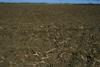
NewsNo-till, new rules: Soil microbes thrive in conservation farming
Long-term conservation tillage (CT) is transforming the way soil microbes responsible for nitrogen fixation behave and interact. Compared to conventional tillage, CT fosters a less competitive yet more robust microbial ecosystem, with soil depth and nitrogen levels playing pivotal roles.
-
 News
NewsDoes agriculture and climate affect feeding activities of soil animals?
An international research team has shown that soil animal communities have greater trophic diversity in agricultural ecosystems and in tropical regions. Animals that feed on microorganisms – such as nematodes, springtails and mites – had higher trophic diversity than those that feed on dead organic matter or live as predators.
-
 News
NewsProtists and bacteria form secret alliance to stop fusarium wilt
Scientists have uncovered how phagotrophic protists team up with beneficial bacteria to suppress watermelon Fusarium wilt. Through microbial sequencing and ecological network analysis, they found that nutrient imbalance disrupts these partnerships, allowing the fungal pathogen to spread.
-
 News
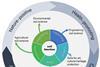
NewsSoil science reimagined: From farmland to the final frontier
A new perspective offers a compelling call to reimagine the future of soil science. The article outlines a conceptual framework for “nontraditional soil science,” encompassing diverse fields from urban engineering to forensic soil analysis and planetary exploration.
-
 News
NewsStudy reveals how strawberries and raspberries were ambushed by fungal parasites
Plant diseases often arise when the pathogens that cause disease are introduced into new territories where native plants don’t recognize the pathogen and therefore may have minimal defenses against it. But how often does the reverse happen?
-
 News
NewsSwansea spin-out Bionema Group receives second King’s Award for Enterprise
Bionema Group Ltd, a Swansea University spin-out specialising in biological crop protection and sustainable agriculture, has been awarded the King’s Award for Enterprise: Sustainable Development 2026. It highlights Bionema’s contribution to developing environmentally sustainable alternatives to synthetic pesticides.
-
 News
NewsHow soil bacteria help plants defend themselves against disease
A study reveals the mechanism by which surfactin, a molecule produced by beneficial soil bacteria, activates plants’ immune defences. This mechanism, distinct from the classical paradigm of immune recognition, relies on direct interaction with the plant cell membrane.
-
 News
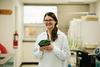
NewsBoyce Thompson Institute names Dr. Natalie Hoffmann inaugural Jane Silverthorne Postdoctoral Fellow
How do beneficial fungi grow into and through plant cells without destroying them in the process? That question sits at the center of Dr. Natalie Hoffmann’s research – and it’s what earned her the inaugural Jane Silverthorne Postdoctoral Fellowship at the Boyce Thompson Institute (BTI).
-
 News
NewsThe Nexus of Food Systems, Ecosystems and Human Health: Sign up for our fascinating free webinar!
What if health is not produced by humans alone, but co-created with the ecosystems, organisms, and food systems we depend on? A fascinating free webinar will explore how microbes connect people to food systems and the ecosystems that undergird food production.
-
 News
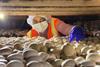
NewsDNA analyses uncover what is hiding under the cap plaguing the white button mushroom industry
Researchers have uncovered that bacterial blotch is not caused by a single disease-causing bacteria or pathogen as originally learned, but by a complex of pathogenic bacterial species that thrive in the indoor controlled, humid environments where they are grown.
-
 News
NewsFungi utilize ancient antimicrobial proteins to attack hosts and their microbiomes
An international research team has discovered the surprising evolutionary origin of fungal effector proteins: molecules that pathogens use today to infect their hosts appear to have evolved from ancient antimicrobial proteins.
-
 News
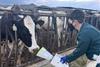
NewsDairy farms in California may transmit H5N1 virus through multiple sources
A new study suggests that avian influenza (H5N1) is transmitted through multiple, previously unknown sources on dairy farms and that some H5N1 positive cows do not show clinical signs of infection.
-
 News
NewsHow does oligochitosan induce plant resistance against potato virus Y?
Plant immune inducers are crucial tools for the green management of crop diseases. As an environmentally friendly biological inducer, oligochitosan (COS) can activate plant defense mechanisms to resist pathogens such as fungi, bacteria, and viruses. Source: Florida Division of Plant Industry , Florida Department of Agriculture and Consumer ...
-
 News
NewsCan rhizobacterial metabolites enhance plant drought tolerance?
A study shows that lettuce plants inoculated with PGPR strains exhibited significantly higher survival rates and better fresh weight recovery after drought stress compared to the uninoculated control group.
-
 News
NewsTracking a persistent threat: How antibiotic-resistant bacteria travel from poultry farms to fresh produce
A new study develops an integrated quantitative microbial risk assessment (QMRA) model to trace the pathway of ESBL-producing E. coli from broiler farms to lettuce consumption, quantifying human health risks and identifying effective intervention strategies.
-
 News
NewsHow bacteria circumvent plants’ immune system
In order to defend themselves, plants have to quickly produce proteins that detect and combat infiltrating microbes. Researchers discovered that Pseudomonas syringae disrupts this process by triggering the formation of P-bodies – small, droplet-like structures in the cell that store and regulate RNA molecules.
-
 News
NewsStick-on gel offers new way to treat and monitor plants
Scientists have developed an adhesive gel that can be loaded with substances, such as small molecule drugs or nanoparticles, and applied directly onto a plant to deliver those materials into its tissues. In tests, a gel loaded with antibiotics cleared a bacterial infection in a plant within about 48 hours.