
All Clinical & Diagnostics articles – Page 14
-
 News
NewsCARB-X to support investigation of Exhalon’s breath-based lower respiratory tract infection testing platform
CARB-X has awarded Exhalon US$1M in seed funding to evaluate whether exhaled breath can be used as a non-invasive sample type to aid in the rapid and accurate diagnosis of lower-respiratory tract infections (LRTIs).
-
 News
NewsInside the gut: What our poo could tell us about our diet, gut microbes and health
Researchers have found that molecules in stool samples can accurately reflect what people eat and how their gut microbiome responds, offering a potential new tool to study nutrition and its impact on health.
-
 News
NewsSingle-cell movies reveal how host physiology sets phage success - and how to time therapies
A new study outlines how an innovative imaging platform can be used to help uncover the reasons why phages succeed or fail when used to target bacterial infections.
-
 News
NewsNew test distinguishes vaccine-induced false positives from active HIV infection
A new device correctly identified those with active HIV-1 infection 95% of the time and those without active infection but with vaccine-induced molecules that could trigger a false positive, 98% of the time.
-
 News
NewsBridging controversy: New international guidelines redefine diagnosis and treatment of fungal eye infections
A global expert panel from the Asia-Pacific region has now issued 20 consensus statements providing comprehensive, evidence-based guidance for the diagnosis and management of a sight-threatening condition - fungal endophthalmitis.
-
 News
NewsPoint-of-care rapid tests can improve screening for latent tuberculosis
A new test shows promising results for detecting latent tuberculosis infection in resource-limited settings. Latent tuberculosis is often diagnosed using a laboratory test called QuantiFERON-TB Gold Plus - this was compared with another test, TB-Feron.
-
 Careers
Summer studentship: Oliver probes AMR in neonatal sepsis - and use of novel bacterial screening methods.
Oliver Spiller-Boulter, from Cardiff, reports back on his AMI-sponsored summer studentship which examined antimicrobial resistance (AMR) in neonatal sepsis and the use of novel bacterial screening methods.
-
 News
NewsCorticosteroid use does not appear to increase infectious complications in non-COVID-19 pneumonia
A systematic review and meta-analysis found that adjunct corticosteroids probably reduce short-term mortality in cases of severe pneumonia and acute respiratory distress syndrome and may reduce secondary shock in severe pneumonia.
-
 News
NewsLong-term HIV control: Could this combination therapy be the key?
A new study shows it may be possible to control HIV without long-term antiviral treatment — an advance that points the way toward a possible cure for a disease that affects 40 million people around the world.
-
 News
NewsNew prevention tools and investment in services essential in the fight against AIDS
On World AIDS Day, the World Health Organization (WHO) calls on governments and partners to rapidly expand access to new WHO-approved tools including lenacapavir (LEN) to drive down infections and counter disruption to essential health services caused by cuts to foreign aid.
-
 News
NewsNew guideline on pre-exposure and postexposure HIV prevention
Multiple pre-exposure (PrEP) and postexposure (PEP) treatments are now available to prevent HIV infection. An updated Canadian guideline contains 31 recommendations and 10 good practice statements to help clinicians and other health care professionals offer these options to patients.
-
 News
NewsBird flu viruses are resistant to fever, making them a major threat to humans
Bird flu viruses are a particular threat to humans because they can replicate at temperatures higher than a typical fever, one of the body’s ways of stopping viruses in their tracks, according to new research.
-
 News
NewsFractional-dose vaccines can save millions during shortages
New research shows that using smaller, fractional doses of vaccines can significantly reduce infections during epidemics, especially when vaccine supply, delivery, or administration capacity is limited.
-
 News
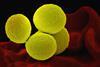
NewsExperimental mRNA therapy shows potential to combat antibiotic-resistant infections
Researchers have reported early success with a novel mRNA-based therapy designed to combat antibiotic-resistant bacteria. In preclinical studies, the therapy slowed bacterial growth, strengthened immune cell activity, and reduced lung tissue damage in models of multidrug-resistant pneumonia.
-
 News
NewsHospital bug jumps from lungs to gut, raising sepsis risk
A hospital-acquired bacterium that causes serious infections can move from the lungs to the gut inside the same patient, raising the risk of life-threatening sepsis, new research reveals.
-
 News
NewsRebalancing lung repair with immune damage is key to surviving severe influenza
Recovery from deadly influenza infection may hinge on helping the lungs heal in addition to stopping the virus, according to a new study in mice, which shows that pairing modest antiviral therapies with immune modulation can restore damaged tissues and lung function, even after severe infection has taken hold.
-
 News
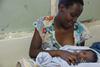
NewsMaternal health programme cuts infection deaths by 32%
A landmark multi-country clinical trial has shown that a structured, sustainable approach to infection prevention and treatment can save women’s lives, cutting severe maternal infections and deaths by about one-third (32%) compared to usual care.
-
 News
NewsResearchers diagnose disease with a drop of blood, a microscope and AI
Scientists have developed an automated, high-throughput system that relies on imaging droplets of biofluids for disease diagnosis in an attempt to reduce the number of consumables and equipment needed for biomedical testing.
-
 News
NewsScientists use computer model to improve hospitals’ ability to limit spread of drug-resistant infections
The computer model improves on traditional methods like contact tracing by inferring asymptomatic carriers in the spread of antibiotic-resistant infections.
-
 News
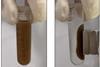
NewsBacteria ‘pills’ could detect gut diseases — without the endoscope
Researchers report that they’ve developed a sensor made of tiny microspheres packed with blood-sensing bacteria that detect markers of gastrointestinal disease. Taken orally, the miniature “pills” also contain magnetic particles that make them easy to collect from stool. Excreted from mouse models with colitis, the bacterial sensor detected gastrointestinal bleeding within minutes.