
All Disease Treatment & Prevention articles – Page 7
-
 News
NewsThinking beyond antibiotics in the treatment of urinary tract infections
A promising new study combines phage therapy (PT) with fecal microbiota transplantation (FMT) to treat recurrent urinary tract infections.
-
 News
NewsEarly surgery for bacterial eye infection offers hope to patients
A new clinical trial shows that early vitrectomy surgery for acute endophthalmitis could be more beneficial to patients’ vision compared with the current antibiotic-first approach.
-
 News
NewsReshaping the gut microbiome can boost chemotherapy delivery to tumors
A common antibiotic reshaped gut bacteria in preclinical models, significantly reducing liver clearance and doubling how long chemotherapy remained in circulation to reach tumors.
-
 News
NewsShort-chain fatty acids and bile acids signaling in chronic hepatitis B
Current therapies suppress chronic hepatitis but rarely achieve functional cure (sustained HBsAg loss). Emerging gut‑liver axis evidence shows that microbial metabolites modulate HBV replication and immunity.
-
 News
NewsBioactive metabolite boosts HIV treatment response, reverses gut dysfunction
Scientists have identified a naturally occurring metabolite that repairs gut damage caused by HIV infection and significantly improves the effectiveness of antiretroviral therapy in the nonhuman primate model of HIV/AIDS.
-
 News
NewsLeaky gut might make food allergies worse
A “leaky gut” might increase the severity of food allergies, according to new research conducted in mice and published in The Journal of Immunology. The researchers found that changes to the gut microbiome in mice were linked to increased intestinal permeability (leaky gut), and an increase in food allergy severity. ...
-
 News
NewsImmune system: the farm effect is clearer than ever thanks to bacteria
An international research team has identified for the first time which bacteria in barn air are responsible for the ‘farm effect’ that can protect against allergies, asthma, and hay fever.
-
 News
NewsYour gut can get jet lag too
Researchers say post-travel symptoms such as fatigue, sleep disturbances, low energy levels, and digestive issues may be caused by more than just classic jet lag. Evidence suggests that time zone changes also affect the trillions of bacteria living in our intestines.
-
 News
NewsUniversity licenses indigenous Thai probiotic technology to Greater Pharma for commercialization
Chulalongkorn University, through the CU Innovation Hub, has signed a licensing agreement with Greater Pharma Manufacturing Co., Ltd. to transfer probiotic technology developed from indigenous Thai microbial strains. The technology will be commercialized as health products under the Prometa brand. This marks another significant step in bringing ...
-
 News
NewsBugs as drugs: Engineered gut bacteria show promise against pancreatic cancer
Cancer immunotherapies have transformed treatment for many cancers, but pancreatic cancer remains especially difficult to treat. One major reason is that pancreatic tumors often create a “cold” tumor microenvironment, where the tumor prevents immune cells from mounting a strong attack. In a new study published in Science ...
-
 News
NewsA new light on the microbiome and its metabolites
Two studies shed new light on how plant-based diets support the gut microbiome. One study reveals that plant fibers and proteins reprogram microbial metabolism to boost production of a healthful species of metabolites, while suppressing that of their harmful counterparts.
-
 News
NewsResearchers find link between gut bacteria byproduct and irregular heart rhythm
A study shows a connection between elevated blood levels of TMAO (trimethylamine N-oxide) — a byproduct of gut bacteria digestion of nutrients found in red meat and other animal products — and a higher risk of atrial fibrillation.
-
 News
NewsCan fecal microbe transplantation improve sleep in people with chronic insomnia?
In a randomized clinical trial, ingesting capsules containing fecal microbes from healthy donors helped treat symptoms of insomnia. One month after treatment, participants receiving fecal microbiota capsules showed significantly higher sleep efficiency and reduced wake after sleep onset.
-
 News
NewsImbalances in the oral microbiome linked to symptomatic hand osteoarthritis
Specific imbalances and disruptions to the oral microbiome have been linked to symptomatic hand arthritis. Study findings suggest that the microbial environment of the mouth may influence the disease process of hand arthritis.
-
 News
NewsGut microbial interactions drive uric acid degradation via a novel mechanism
Scientists have systematically elucidated the complete mechanism through which the fructooligosaccharide-induced “Ligilactobacillus murinus-Anaerotruncus colihominis” axis reduces uric acid (UA) levels and protects the kidneys.
-
 News
NewsWhen it comes to brain health, is microbiome science missing much of the world?
For more than two decades, scientists have uncovered remarkable links between the trillions of microbes living in our gut and the health of our brains. What if much of this science is based on studying only a narrow slice of global diversity?
-
 News
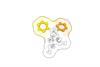
NewsFrog protein could become first antidote to deadly red tide toxin
Red tide algal blooms produce one of the most potent neurotoxins known: saxitoxin, or STX. Researchers have found that a protein called saxiphilin can neutralize saxitoxin in mice, preventing and even reversing otherwise lethal poisoning.
-
 News
NewsROS–Jak2/Stat3 signaling drives HBV-induced liver inflammation
Scientists investigated the mechanisms underlying HBV-induced liver inflammation and identified a reactive oxygen species (ROS)-dependent signaling cascade that activates the Jak2/Stat3 pathway, thereby triggering hepatic inflammatory responses.
-
 News
NewsNovel pathway suggests gut microbiome could be harnessed to lower blood pressure
The gut microbiome could potentially be harnessed to help lower blood pressure, according to a new study that identifies a previously unknown gut microbiota-bile acid signaling pathway targeting hypertension.
-
 News
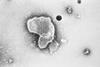
NewsHow did the COVID-19 pandemic shift seasonal surges of other respiratory diseases?
A new analysis explores what underlies shifts in the timing of seasonal surges of respiratory diseases, as well as shifts in surges of heart-related deaths, that occurred after the COVID-19 pandemic began.