
All Disease Treatment & Prevention articles – Page 5
-
 News
NewsNew viral marker strategies improve prediction of functional cure in chronic hepatitis B
Researchers identify how combining classical and emerging viral biomarkers can better predict functional cure and guide individualized hepatitis B treatment.
-
 News
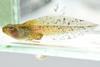
NewsWhen fever isn’t the answer: Infected tadpoles cool themselves to fight viruses
Researchers have experimentally demonstrated that an ectothermic vertebrate infected with a virus actively seeks cooler, rather than warmer, environments to regulate its body temperature.
-
 News
NewsStudy finds HIV-1 proviruses may drive chronic systemic inflammation
People living with HIV are at higher risk of developing inflammatory diseases of many tissues, even when receiving antiviral treatments. A new study suggests that persistent hidden HIV contributes to this inflammation.
-
 News
NewsObesity drug significantly reduces the risk of infections and serious cardiovascular events
Tirzepatide, marketed under the brand name Mounjaro, could reduce the risk of heart attacks and hospitalizations due to infections in people with type 2 diabetes by by about one-third when compared with a conventional diabetes medication.
-
 News
NewsResearchers uncover unexpected twist in fight against antibiotic resistance
A group of Cornell College students and their professor have discovered surprising results in their research on antimicrobial peptides, which are being studied as a method of combating antibiotic resistance.
-
 News
NewsMeningococcal B vaccine linked to lower gonorrhoea risk
The meningococcal B vaccine could provide protection against more than one disease, with new research linking it to a significant reduction in the risk of gonorrhoea in young people in Australia.
-
 News
NewsResearchers develop new drug to attack an enduring killer
Researchers have developed a new antimalarial drug designed to thwart even the most drug-resistant forms of the infection.
-
 News
NewsLong non-coding RNAs offer new hope for earlier detection and improved treatment of liver cancer linked to hepatitis B
Long non-coding RNAs may play a pivotal role in shaping the future of diagnosis, prognosis, and treatment in HBV-associated liver disease.
-
 News
NewsAdults living with HIV are at high risk for diabetes. Here’s why.
A new study helps explain why people with HIV remain at elevated risk for type 2 diabetes despite effective suppression of the virus with modern medications.
-
 News
NewsDoes eczema increase the risk of developing shingles?
New research indicates that people with eczema face an elevated risk of developing shingles.
-
 News
NewsPromising single-dose malaria treatment advances toward pan-African clinical trial
A promising single-dose malaria treatment that could help address growing drug resistance and simplify treatment for patients.
-
 News
NewsIntratumoral Fusobacterium as a prognostic and predictive biomarker in resectable colorectal cancer
Research supports the use of Fusobacterium as a prognostic and predictive biomarker in patients with resectable stage I–III CRC. Its presence was associated with more aggressive disease, a weaker immune response, and limited benefit from adjuvant chemotherapy.
-
 News
NewsNew therapy eliminates gum disease bacterium while preserving beneficial oral microbes
Researchers have created an innovative treatment for periodontitis that targets and eliminates harmful bacteria while preserving beneficial oral microbes essential for health.
-
 News
NewsEffect of a novel enteral nutrition mixture with probiotics versus standard enteral nutrition on gastrointestinal complications in critically ill surgical patients
A randomised controlled trial conducted in critically ill patients recovering from abdominal surgery found that a novel probiotic-enriched tube feeding formula reduced serious gut complications dramatically compared to standard enteral nutrition.
-
 News
NewsResearch funding to improve treatment for invasive fungal infections
The Federal Joint Committee is funding a new Germany-wide research project aimed at improving care for patients with invasive fungal infections.
-
 News
NewsThinking beyond antibiotics in the treatment of urinary tract infections
A promising new study combines phage therapy (PT) with fecal microbiota transplantation (FMT) to treat recurrent urinary tract infections.
-
 News
NewsEarly surgery for bacterial eye infection offers hope to patients
A new clinical trial shows that early vitrectomy surgery for acute endophthalmitis could be more beneficial to patients’ vision compared with the current antibiotic-first approach.
-
 News
NewsReshaping the gut microbiome can boost chemotherapy delivery to tumors
A common antibiotic reshaped gut bacteria in preclinical models, significantly reducing liver clearance and doubling how long chemotherapy remained in circulation to reach tumors.
-
 News
NewsShort-chain fatty acids and bile acids signaling in chronic hepatitis B
Current therapies suppress chronic hepatitis but rarely achieve functional cure (sustained HBsAg loss). Emerging gut‑liver axis evidence shows that microbial metabolites modulate HBV replication and immunity.
-
 News
NewsBioactive metabolite boosts HIV treatment response, reverses gut dysfunction
Scientists have identified a naturally occurring metabolite that repairs gut damage caused by HIV infection and significantly improves the effectiveness of antiretroviral therapy in the nonhuman primate model of HIV/AIDS.