

Globalisation has transformed not only the way we trade, travel and eat, but also the microbes that live with us. As food systems become increasingly interconnected, traditional diets that have shaped human gut microbiomes for generations are increasingly being replaced by a globalised food culture dominated by ultra-processed foods. While globalisation has brought unprecedented convenience, economic growth, and food availability, it has also accelerated dietary homogenisation and the spread of Westernised eating habits, contributing to the loss of microbial, cultural and biological diversity.
The rapid expansion of Western fast-food chains and ultra-processed foods into developing countries has fundamentally reshaped traditional diets and local food environments. Today, KFC and McDonald’s restaurants are familiar landmarks in shopping centres across the globe, while colourful confectionery, sugary soft drinks and highly processed snacks fill supermarket shelves, from metropolitan Shanghai to small rural villages in China or other countries. At the same time, traditional farmers’ markets are becoming less common as large, centralised supermarkets dominate food retail. This transition often reduces access to seasonal, locally produced foods while increasing the availability of highly processed products containing long lists of additives, preservatives, emulsifiers, flavour enhancers, and artificial sweeteners. As increasingly homogenised food environments replace diverse regional food traditions, local culinary heritage and dietary diversity are gradually being lost.
One widely discussed example is Nestlé’s “floating supermarket”, which sought to improve food access in remote communities. While such initiatives can increase food availability, they have also raised ethical questions about expanding access to ultra-processed foods among indigenous and vulnerable populations. This also raises an important ethical question.
“What responsibilities do multinational food companies have when marketing and selling unhealthy products to vulnerable populations?”
Many ultra-processed foods have long shelf lives and extensive ingredient lists that are difficult for consumers to interpret. They are often energy-dense, highly palatable and aggressively marketed, yet typically provide less dietary fibre and fewer beneficial nutrients than traditional foods. Together with wider social and economic changes, these shifts contribute to increasingly obesogenic environments that make healthy food choices more challenging for both children and adults. At the same time, unbalanced diets with fewer fruits, vegetables and whole foods increase the risk of both malnutrition and diet-related chronic diseases.

Childhood overweightness and obesity have risen dramatically across much of the world. According to UNICEF’s Child Nutrition Report 2025, one in five children and adolescents aged 5–19 years now lives with overweight worldwide, and the number has more than doubled since 2000. The steepest increases are occurring in low- and middle-income countries. Although urbanisation, reduced physical activity, socioeconomic inequalities and changing lifestyles all contribute to this trend, unhealthy food environments and growing consumption of ultra-processed foods are recognised as major drivers. As childhood obesity continues to rise, governments, the food industry and public health organisations must consider how commercial practices shape dietary choices. Policies regulating product reformulation and food marketing, school meals and nutrition education all have important roles to play in creating healthier food environments while respecting cultural food traditions.
Beyond their effects on obesity and chronic disease, these dietary transitions may also reshape the gut microbiome. Traditional dietary patterns are typically rich in diverse plant foods, dietary fibre and naturally fermented products that nourish beneficial gut microbes. In contrast, diets dominated by ultra-processed foods often reduce dietary diversity and displace fibre-rich traditional foods, potentially leading to less diverse and resilient gut microbial communities. Growing evidence suggests that preserving traditional dietary patterns may therefore benefit not only cultural heritage but also long-term human health and environmental sustainability.
Traditional diets generally emphasise whole foods, seasonal and locally sourced ingredients, minimal processing, and culinary knowledge passed down through generations.
“Traditional diets are more than collections of recipes. They embody generations of culinary knowledge, seasonal food availability, local biodiversity and food preservation techniques such as fermentation.”
Preparing these foods often requires time, practical skills and shared effort within families and communities. In today’s fast-paced society, however, these traditions are increasingly being displaced by the convenience of ready-made meals and fast food, leading to the gradual loss of both culinary heritage and the microbial diversity associated with fermented foods.

Recognising these challenges, numerous international initiatives are working to preserve traditional food cultures while promoting sustainable, culturally appropriate nutrition. The FAO’s Globally Important Agricultural Heritage Systems (GIAHS) and the Indigenous Peoples’ Food Systems Coalition help safeguard traditional agricultural knowledge and indigenous food systems. Different Territorial diets, including the Japanese Diet (JD), the Mediterranean Diet (MD), the Traditional Nordic Diet and the New Nordic Diet (NND), are mentioned in the FAO Sustainable Health Diets. UNESCO Intangible Cultural Heritage Programme recognises culturally significant food traditions, including flatbread making, Arabic coffee and traditional Mexican cuisine, etc. Meanwhile, organisations such as Slow Food advocate food that is “good, clean and fair”, while the EAT–Lancet Commission has highlighted the importance of healthy diets from sustainable food systems, estimating that global dietary shifts could prevent up to 15 million premature deaths each year. More recently, the World Diet Initiative gathered evidence about heritage diets from African countries including Burkina Faso and Tanzania, comparing dietary patterns across rural and urban African and European populations, and proposing the World Diet Atlas and World Diet Project.
“Together, these initiatives recognise that food is far more than a source of nutrients; it is a cornerstone of cultural identity, biodiversity, and community life.”
Traditional diets are also living expressions of cultural knowledge passed from one generation to the next, many of which depend on microbial communities that have accompanied human societies for centuries. Fermented foods beautifully illustrate the intimate relationship between microbes, culture, and identity.
In Korea, kimchi and the communal practice of Kimjang bring families and neighbours together each autumn to prepare fermented vegetables for the winter, a tradition recognised by UNESCO as Intangible Cultural Heritage. In Germany, Oktoberfest celebrates a brewing tradition built upon centuries of yeast-driven fermentation. In Ethiopia and Eritrea, naturally fermented injera forms the centrepiece of daily meals, religious celebrations and national identity. In Mexico, pulque, produced by fermenting agave sap, has deep historical roots in indigenous culture and ceremonial traditions.
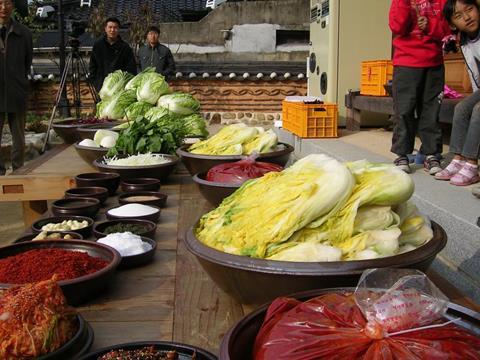
Whether they are heritage diets or regional dietary traditions, these foods represent far more than culinary preferences. They embody traditional agricultural knowledge, microbial ecosystems and cultural heritage that have co-evolved with human societies over generations. As these traditional diets disappear, we risk losing not only unique flavours and cultural practices, but also the microbial diversity that has shaped human nutrition and health throughout history.
Importantly, preserving traditional diets does not mean attempting to recreate ancestral eating patterns or romanticising the past. Traditional food cultures have continually evolved through trade, migration and cultural exchange. Rather, they encourage mindful eating and informed food choices within today’s increasingly complex food environment, where ultra-processed foods have become ubiquitous. They emphasise whole foods, seasonal and locally sourced ingredients, culinary skills and shared food traditions while remaining adaptable to modern lifestyles.
These principles also have important implications for dietitians, healthcare professionals and policymakers. Although healthy eating guidelines share many common principles, dietary advice is most effective when it recognises cultural food practices and traditional cuisines rather than assuming a universal eating pattern. Taking culturally appropriate food choices into account improves dietary adherence and can enhance the effectiveness of interventions for obesity, type 2 diabetes (T2D) and other chronic diseases. Likewise, national dietary guidelines should embrace cultural diversity while promoting healthy and sustainable eating patterns.
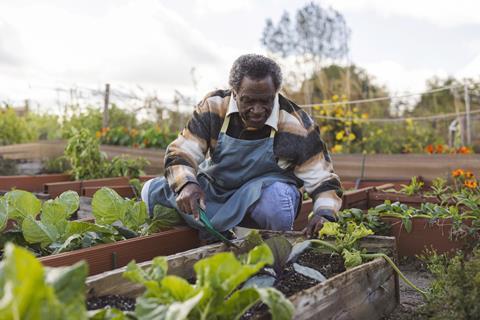
A growing body of evidence suggests that dietary patterns based on minimally processed foods may help reduce the risk of obesity, T2D and cardiovascular disease and other chronic conditions while supporting healthy ageing. At the same time, traditional dietary patterns often align with more sustainable food systems by promoting local food production, reduced food waste, seasonal consumption and less reliance on heavily processed foods with complex global supply chains.
To reiterate the importance of traditional diets, it is essential to recognise the central role of indigenous communities and the contributions they can make to building healthier and more sustainable food systems. To address the global health and nutrition crisis, we need to engage with a wide range of stakeholders while also adopting effective and culturally appropriate communication practices. They may include “face to face and experiential learning practices”, “creative and digital communicative tools”, and “collaborative design and shared decision-making”. Such approaches help build trust, strengthen long-term partnerships, and ensure that Indigenous communities retain the agency to determine what is best for their own wellbeing and sustainable future, rather than being expected to conform to Western frameworks.
“Researchers should regard Indigenous knowledge holders and communicators as equal collaborators and co-creators of knowledge, rather than extracting Indigenous knowledge for economic gain or development.”
Ultimately, protecting traditional diets is about far more than preserving recipes or celebrating culinary heritage. It means safeguarding biodiversity, microbial ecosystems, culinary knowledge and cultural identity while fostering healthier and more sustainable food systems. In doing so, we can ensure that future generations inherit not only diverse food cultures but also the microbial diversity that underpins both human and planetary health.
Further reading
- Determinants of childhood obesity in China | The Lancet Public Health
- Traditional place-based diets and their effects on healthy and sustainable food transitions: a systematic literature review | Public Health Nutrition | Cambridge Core
- The EAT–Lancet Commission on healthy, sustainable, and just food systems | The Lancet
- Food in the Anthropocene: the EAT–Lancet Commission on healthy diets from sustainable food systems | The Lancet
- Studying vanishing dietary diversity before it is lost: the World Diet Initiative | Nature Medicine
- Immune and metabolic effects of African heritage diets versus Western diets in men: a randomized controlled trial | Nature Medicine
- Common and distinct metabolomic markers related to immune aging in Western European and East African populations | ScienceDirect
- Exploring the influence of urbanization on gut mycobiota through dietary habits in Burkina Faso | BMC Microbiology
- ‘We should change ourselves, but we can’t’: accounts of food and eating practices amongst British Pakistanis and Indians with type 2 diabetes | Ethnicity & Health: Vol 13
- What is culturally appropriate food consumption? A systematic literature review exploring six conceptual themes and their implications for sustainable food system transformation | Agriculture and Human Values





No comments yet