
A research team found that dietary Radix isatidis herbal residue (RIHR), a traditional Chinese medicine by-product, may improve growth, mucosal immunity, gut microbiota, and lipid metabolism in broilers.
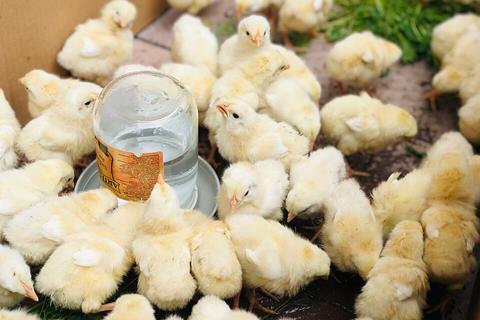
Supplemented birds showed higher serum immunoglobulin A, lower low-density lipoprotein cholesterol, and increased unsaturated fatty acids in breast muscle. Repurposing this residue as poultry feed could therefore improve animal health, enhance meat composition, reduce agricultural waste, and support a more circular and sustainable livestock production system while preserving valuable biological resources worldwide.
Traditional Chinese medicine
Traditional Chinese medicine processing generates approximately 30 million tons of herbal residues each year, much of which is not properly reused. Researchers have increasingly explored these residues as sources of residual nutrients and bioactive compounds, with previous studies reporting potential benefits for intestinal function, immune regulation, and inflammatory control in livestock.
Radix isatidis, commonly known as Banlangen, contains compounds with reported antibacterial, antiviral, anti-inflammatory, and immunoregulatory activities. However, its post-processing residue has not been systematically evaluated as a dietary supplement for broilers, and the microbial and molecular processes underlying its possible effects on poultry health and meat lipid composition have remained unclear.
Changes in immunoglobulins and metabolism
A study, published in Animal Advances, by Peng Huang’s team, Hunan Agricultural University, reports that RIHR supplementation influenced immune indicators, intestinal microbial composition, ileal lipid-related gene expression, and breast-muscle lipid profiles.
The researchers randomly assigned 320 one-day-old white-feathered broilers to four dietary groups for 42 days. The control group received a basal diet, while the other groups received feed containing 5, 10, or 15 kilograms of RIHR per metric ton. Growth performance, slaughter characteristics, meat quality, serum biochemical indicators, and immunoglobulin concentrations were measured. Liquid chromatography–tandem mass spectrometry was used to profile lipids in breast muscle.
MICROBIOLOGY NEWS: Register with The Microbiologist for more free articles
RIHR produced numerical increases in average daily feed intake and average daily gain without significantly worsening feed conversion, although these growth differences were not statistically significant. All supplemented groups had significantly higher serum IgA, whereas immunoglobulin G and immunoglobulin M remained unchanged. RIHR also increased several indicators associated with protein and glucose metabolism and significantly lowered low-density lipoprotein cholesterol.
Microbiota and transcriptome changes
The team also used 16S ribosomal DNA sequencing to characterize foregut and hindgut microbial communities. Ileal transcriptome sequencing and quantitative polymerase chain reaction analysis were conducted to investigate gene-expression changes.
Microbiota analysis showed increased Lachnospiraceae across the supplemented groups. The high-dose group contained more Alistipes in the foregut and higher abundances of Alistipes and Bacteroides in the hindgut, alongside other changes in bacterial groups associated with intestinal fermentation.
Transcriptomic comparison of the control and high-dose groups identified 1,364 differently expressed genes—673 upregulated and 691 downregulated. These genes were enriched in peroxisome proliferator-activated receptor (PPAR) signaling and several other lipid-metabolism pathways.
Follow-up analysis found increased PPARα expression, significantly reduced fatty acid-binding protein 1 expression, and downward trends in genes involved in fatty acid synthesis. Breast-muscle metabolomics identified 46 upregulated and 14 downregulated lipid metabolites.
RIHR significantly increased several unsaturated fatty-acid-containing lipids and altered pathways associated with glycerophospholipid, α-linolenic acid, linoleic acid, and arachidonic acid metabolism. Because only a small number of birds were used for several molecular analyses, the proposed microbiota–PPAR mechanism requires further experimental confirmation.
Banlangen as a feed ingredient
Overall, the study indicates that RIHR could be repurposed as a functional feed ingredient capable of supporting mucosal immunity and modifying intestinal and muscle lipid metabolism in broilers. The work connects changes in microbial communities with ileal gene expression and breast-muscle lipid composition, providing a multidimensional view of how herbal residues may affect poultry physiology.
Larger feeding trials and direct mechanistic experiments will be needed to establish optimal inclusion levels, confirm growth benefits, evaluate long-term safety, and determine whether the observed lipid changes consistently improve meat quality and nutritional value.






No comments yet