
Although hepatitis B surface antigen (HBsAg)-specific B cells have been partially characterized in chronic hepatitis B (CHB), the role of naïve B cells and their potential relevance to functional cure remain insufficiently explored. Here, we aimed to characterize the naïve B-cell subsets in functionally cured and uncured patients with CHB.
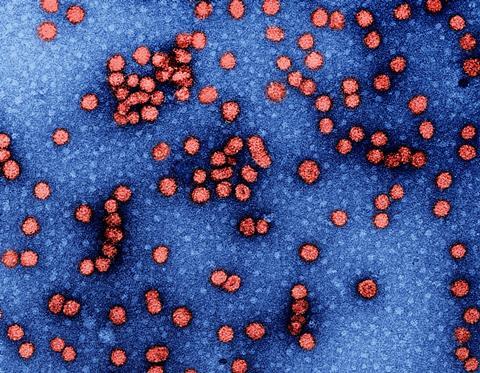
In this retrospective study, we applied single-cell RNA sequencing to compare peripheral B-cell profiles in functionally cured and uncured CHB patients. Key findings were validated by flow cytometry in an independent cohort and further supported in a nucleos(t)ide analog monotherapy cohort stratified by HBsAg levels.
Two naive B-cell subsets emerge
Single-cell RNA sequencing characterized two naïve B-cell subsets, designated IL-4R+SELL+ and IL-4R−SELL− naïve B cells, which were differentially distributed between functionally cured and uncured patients. Functionally cured patients showed higher frequencies of total B cells and IL-4R+SELL+ naïve B cells than uncured patients. In contrast, functionally uncured patients exhibited persistent hyperactivation of type I interferon signaling in both naïve and memory B cells.
The IL-4R+SELL+ subset showed a transcriptional signature associated with germinal center biology and exhibited stronger ligand–receptor interactions with CD40LG+CD4+ T cells. Notably, the frequency of the IL-4R+SELL+ subset was inversely correlated with HBsAg levels. Consistently, patients with lower HBsAg levels also exhibited significantly higher frequencies of IL-4R+SELL+ naïve B cells compared with those with high HBsAg levels.
Naive B cells and functional cure
Our study reveals previously unappreciated heterogeneity within the naïve B-cell compartment in CHB. We identify a distinct IL-4R+SELL+ naïve B-cell subset associated with lower HBsAg levels, enhanced T-cell help, and transcriptional features indicative of germinal center competence.
MICROBIOLOGY NEWS: Register with The Microbiologist for more free articles
These findings expand the current understanding of B-cell biology in CHB and highlight naïve B cells as a potentially important component of antiviral immune remodeling associated with functional cure.




No comments yet