
Researchers at the German Center for Infection Research (DZIF) have developed a promising single-dose malaria treatment that could help address growing drug resistance and simplify treatment for patients.
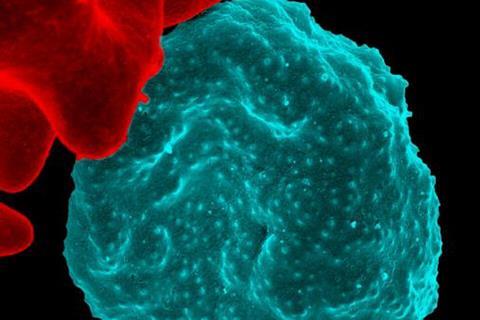
The four-drug combination treatment, known as SPAP, is now being prepared for large-scale clinical testing across Africa. Prof. Ghyslain Mombo-Ngoma, who was named to the 2026 TIME100 Health list in recognition of his contributions to global health research, is co-leading the project.
SPAP develoment
Despite major progress in recent decades, malaria continues to cause hundreds of thousands of deaths every year, primarily in sub-Saharan Africa. Drug resistance is increasing, and many patients struggle to complete treatment regimens that require medication over several days. While new antimalarial drugs are being developed, it may take years before they become widely available.
To address these challenges, researchers supported by DZIF are investigating how to combine existing medicines more effectively. They have developed SPAP, a new single-dose combination therapy based on the four already approved antimalarial drugs, sulfadoxine, pyrimethamine, artesunate and pyronaridine.
Results from a clinical trial conducted in Gabon, published in Malaria Journal, suggest that SPAP could significantly improve malaria treatment. By targeting the malaria parasite through multiple mechanisms, SPAP has the potential to overcome two major barriers to malaria control: increasing drug resistance and poor adherence to multi-day treatment schedules.
“Efforts are underway to develop next-generation antimalarial medicines, but it will take many years for them to reach the market,” explains Prof. Peter Kremsner, a world-renowned malaria researcher at University Hospital Tübingen, regarding the objective of the study. “It is paramount to establish a regimen for an optimal use of combinations of existing medicines to cover this period.”
Multi-country clinical trial
To validate the promising findings of the previous study, the researchers are planning a large, multi-country clinical trial in Africa to evaluate the safety and effectiveness of SPAP under real-world conditions. The potential of SPAP has also been recognized by the World Health Organization (WHO), which has included the therapy on its list of priority malaria medicines under development.
Production of fixed-dose SPAP tablets for the pan-African clinical study is expected to begin this year. If the clinical trial confirms these results, SPAP could be a significant advancement in malaria treatment in sub-Saharan Africa, offering a simpler, more effective therapy.
“This study addresses one of the most pressing challenges in malaria treatment: maintaining effectiveness while reducing the risk of resistance development,” says co-project leader Prof. Ghyslain Mombo-Ngoma of the Bernhard Nocht Institute for Tropical Medicine (BNITM).
“A single-dose regimen could considerably simplify treatment and improve access for patients in endemic regions,” Mombo-Ngoma, who is also a group leader at the Centre de Recherches Médicales de Lambaréné (CERMEL) in Gabon, adds.
Collaborative efforts
“The strength of this project lies in the close collaboration between research institutions across Africa and Europe,” says Dr. Oumou Maïga Ascofaré, a group leader at BNITM and the Kumasi Centre for Collaborative Research in Tropical Medicine (KCCR) in Ghana and the third principal investigator (PI) behind the pan-African clinical study. “Together, we aim to generate evidence that can support future malaria treatment strategies where they are needed most.”
The pan-African clinical trial is receiving significant support from the DZIF. All three principal investigators are scientists in the DZIF research area Malaria and Neglected Tropical Diseases.
The international visibility of this work is reflected in a recent honor for one of its lead investigators. Prof. Mombo-Ngoma was named to the TIME100 Health 2026 list, which recognizes the 100 most influential individuals shaping the future of health worldwide.
Topics
- antimalarial drugs
- anti-malarial treatments
- Antimicrobial Resistance
- artesunate
- BNITM
- CERMEL-Gabon
- combination therapy
- Disease Treatment & Prevention
- DZIF
- Ghyslain Mombo-Ngoma
- Infection Prevention & Control
- Infectious Disease
- KCCR
- malaria
- Medical Microbiology
- Middle East & Africa
- One Health
- Oumou Maïga Ascofaré
- Parasites
- Parasitology
- Peter Kremsner
- Pharmaceutical Microbiology
- plasmodium
- pyrimethamine
- pyronaridine
- Research News
- sulfadoxine
- World Health Organization


No comments yet