
A new study led by researchers at the Institute for Global Health and Infectious Diseases at the University of North Carolina School of Medicine in Chapel Hill shows an urgent need for improved detection and treatment of Lassa fever, published in The Lancet Infectious Diseases.
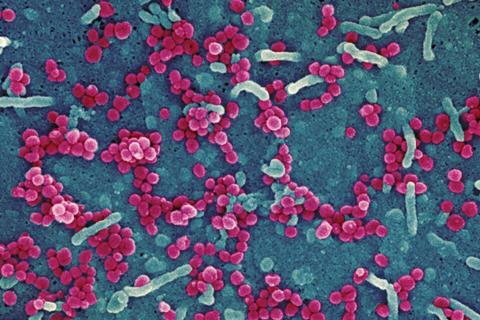
Lassa fever–a severe Ebola-like illness designated by the World Health Organization as being among the world’s top pandemic threats–causes thousands of deaths each year, mainly in Nigeria, Liberia, and Sierra Leone.
Spead primarily by rodents, the virus can also be transmitted person-to-person through direct contact with blood, body fluids, or secretions of infected individuals. Beyond West Africa, more than 32 imported cases have been reported globally, including to the US, one-third of which were fatal, highlighting its international significance.
“Lassa fever remains a major public health threat in West Africa, with high rates of infection and death—often exceeding 20% in some settings,” said Dr. William A. Fischer II, director of emerging pathogens for the Institute, who led the PREPARE study with Dr. David Wohl. The two are co-directors of UNC Project-Liberia.
“Many of these deaths can be prevented with early and increased access to diagnostics, supportive care and potentially initiation of effective therapeutics. Furthermore, with over 30 reported cases of Lassa fever imported into non-endemic countries, one third of which were fatal, the importance of early detection and care extends beyond West Africa,” said Dr. Fischer, associate professor of pulmonary disease and critical care medicine.
Many cases undiagnosed
Currently, testing for Lassa fever even in endemic countries is limited and many cases go undiagnosed. The UNC-Liberia team established real-time PCR testing for the Lassa virus at Phebe Hospital in rural Liberia in collaboration with the hospital and the National Public Health Institute of Liberia as a centerpiece of UNC research operations at the site.
But as Dr. Wohl points out, the lack of diagnostic testing is only part of the reason Lassa fever is under-diagnosed.
“Before you can order the test, you must have clinical suspicion that Lassa fever is possibly causing your patient’s illness. Even though we have known about Lassa fever for decades we don’t fully understand the spectrum of the presentation of this infection.”
Study design
The Prevalence, Pathogenesis, and Persistence (PREPARE) study was conducted between July 2018 and August 2024 at two hospitals in central Liberia, Phebe and CB Dunbar Hospitals. Researchers from UNC and Phebe Hospital enrolled 435 patients aged five years and older who were either admitted with a febrile illness or with clinical suspicion of Lassa fever.
All participants in the study underwent plasma LASV RNA RT-PCR testing, and those with confirmed infection were followed longitudinally during hospitalization and for up to one-year post-discharge to assess viral dynamics, immune responses, and clinical outcomes.
Study results
- There was a high prevalence of Lassa fever among febrile admissions: 11% of patients with fever had Lassa fever despite not being suspected clinically.
- Mortality was linked to viral load and immune response: Patients who died had higher viral loads and weaker antibody responses.
- Children were disproportionately affected: 43% of confirmed cases were aged 5–17 years.
- Persistent diagnostic gaps exist: Limited access to PCR testing and overlapping symptoms with other common infectious diseases contribute to underdiagnosis.
“These findings reveal how easily cases slip through routine clinical screening,” said Dr. Wohl, who is a professor of medicine. “Our data make it clear that without widening our diagnostic aperture to look beyond routine diagnostic assumptions, a substantial number of Lassa virus infections will be missed.”
Threat of missed cases
Missed cases not only worsen patient outcomes but also expose healthcare workers to infection and increase the risk of human-to-human transmission in clinical settings. Longitudinal data showing severe Lassa fever correlates with higher viral loads, organ damage, and worse outcomes, underscores the importance of early detection and antiviral treatment. Because complications typically emerge in the second week of illness, the window for effective intervention is narrow.
“By detecting Lassa fever early, we can help those infected and also keep this dangerous pathogen from becoming a threat for those near and far,” Dr. Fischer adds.
READ MORE: Beyond health: The political effects of infectious disease outbreaks
READ MORE: Predictive AI model can help build vaccines for future versions of a virus
An editorial review of the study, also published in The Lancet Infectious Diseases, underscores the implications for missed diagnoses while recognizing the need for expanded point-of-care diagnostics, vaccines and therapeutics—to reduce mortality, prevent outbreaks, and ultimately work toward eliminating Lassa fever in Liberia and other endemic regions. Early detection and effective treatments will be critical to saving lives.
The PREPARE study was funded by the U.S. National Institute of Allergy and Infectious Diseases and the National Institutes of Health.





No comments yet