
A growing global debate over “biopiracy” is raising urgent questions for microbiologists, researchers, industry and policymakers alike — and Applied Microbiology International is calling on members to help shape the conversation.
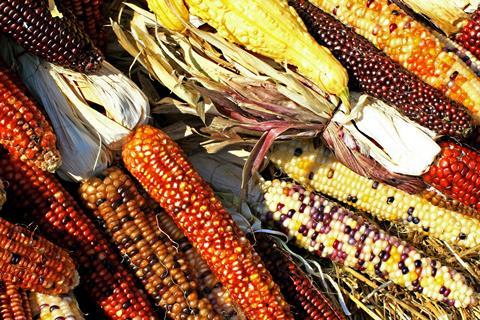
Biopiracy refers to the unauthorised or unethical use of biological materials — including seeds, plants, soil samples and microorganisms — and the traditional knowledge associated with them, without prior informed consent, fair benefit-sharing or compensation for the communities from which they originate.
At the heart of the debate is a familiar pattern: biological resources or Indigenous knowledge are collected, patented and commercialised — often generating significant profits — while the communities that cultivated or protected them receive little or nothing in return.
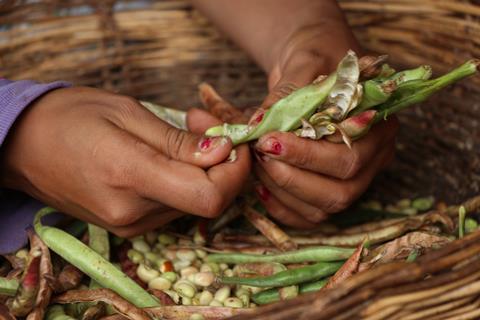
A frequently cited example is the Enola bean case of the 1990s, when a US seed company, Pod-Ners, patented a yellow bean variety that had been cultivated for generations by farmers in Mexico. The patent granted exclusive sales rights and royalty claims before it was ultimately revoked after legal challenges demonstrated the bean was not a novel invention.
Broader questions
Biopiracy is not simply an ethical issue — it is also deeply connected to global food security and climate resilience.
Corporations can patent drought-resistant or high-yield crop varieties developed over generations by smallholder farmers, preventing them from saving, replanting or exchanging seeds and forcing seasonal repurchasing.
The dominance of profitable varieties drives the loss of agrobiodiversity. As traditional, locally adapted crops disappear, food systems become more vulnerable to pests, disease and climate shocks. Meanwhile, indigenous and local communities hold extensive knowledge on seed selection, pest management, soil stewardship and sustainable farming practices that risks being lost if they excluded from benefit-sharing frameworks.
Critics argue that similar dynamics continue today across agriculture, pharmaceuticals and biotechnology.
New challenges
And while the issue has long been associated with plant materials and traditional knowledge, advances in microbiology, genomics and synthetic biology are creating new challenges around ownership, access and equity.
Internationally, biopiracy is regulated through the Convention on Biological Diversity and the Nagoya Protocol, which establish principles around prior informed consent and mutually agreed terms for access to genetic resources.
However, implementation happens at national level, leading to uneven enforcement and varying legal interpretations across countries.
Two recent articles published in Sustainable Microbiology highlight the complexity researchers face when conducting international microbiology work under access and benefit-sharing rules:
- Policy Briefing: from access to use—untangling the international legal frameworks that govern microbial resources
- Policy in Practice: How to do the Nagoya Protocol: common misconceptions, challenges and best practices for access and benefit-sharing compliance
Microbe complications
The current Nagoya framework was largely designed around plants and traditional medicine, but microbiology presents distinct complications.
Microorganisms are invisible, globally dispersed and often difficult to assign to a single geographic origin. A microbial strain deposited in one culture collection may have passed through multiple countries and institutions over decades.
At the same time, emerging technologies are rapidly changing the landscape. In synthetic biology and precision fermentation, organisms can now be digitally sequenced, replicated and engineered without direct extraction from their original environments.
New frontier
This creates a new frontier of concern: could engineered microbes still carry biopiracy risks if the original genetic material was sourced without proper access and benefit-sharing compliance?
We’re looking to explore this question in more detail in a publication and we’re now inviting members with expertise or perspectives on biopiracy, access and benefit-sharing, Indigenous rights, microbial collections, synthetic biology or food security to contribute to the developing policy paper.
Researchers, policymakers, industry professionals and early-career scientists are all encouraged to get involved.
To contribute ideas, case studies or commentary, contact: policy@appliedmicrobiology.org.






No comments yet